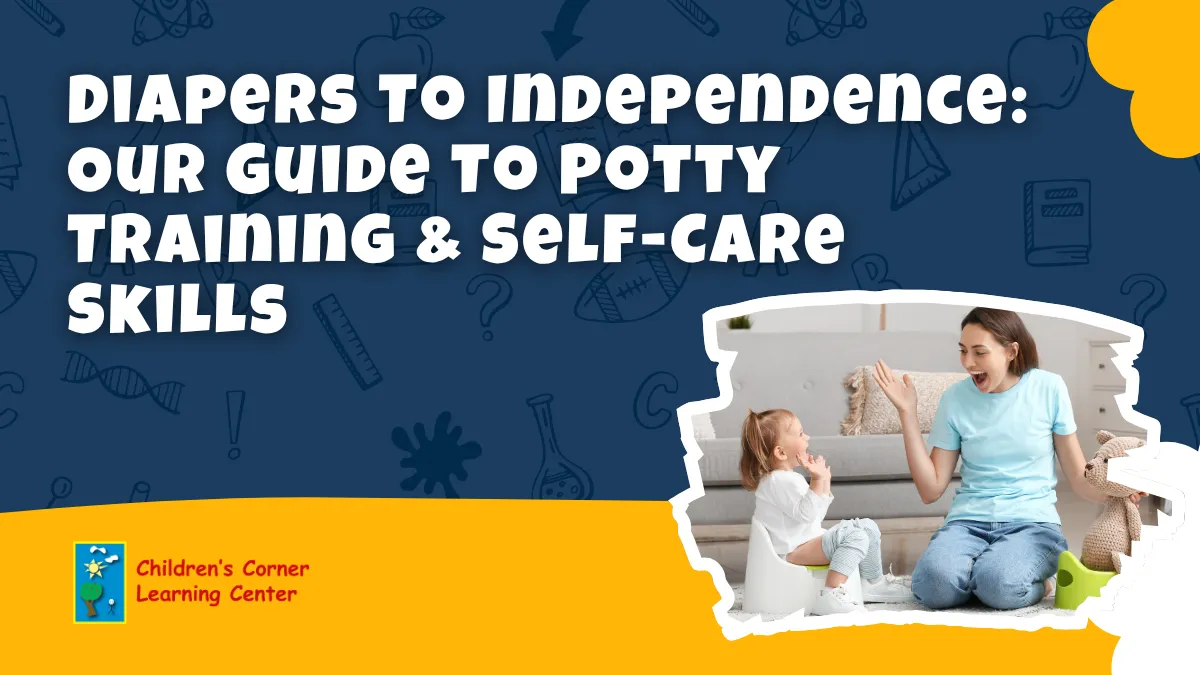
Journey from diapers to independence with potty training is an important stage in early childhood, helping children build confidence, self-awareness, and everyday self-care skills. This transition is about more than leaving diapers behind. It also involves learning routines, recognizing physical cues, practicing communication, and developing a sense of responsibility with gentle support. Every child moves through this process at a different pace, which is why patience, consistency, and encouragement matter so much. With the right guidance at home and in a supportive early learning environment, potty training can become a positive step toward greater independence and daily confidence. Positive Potty …
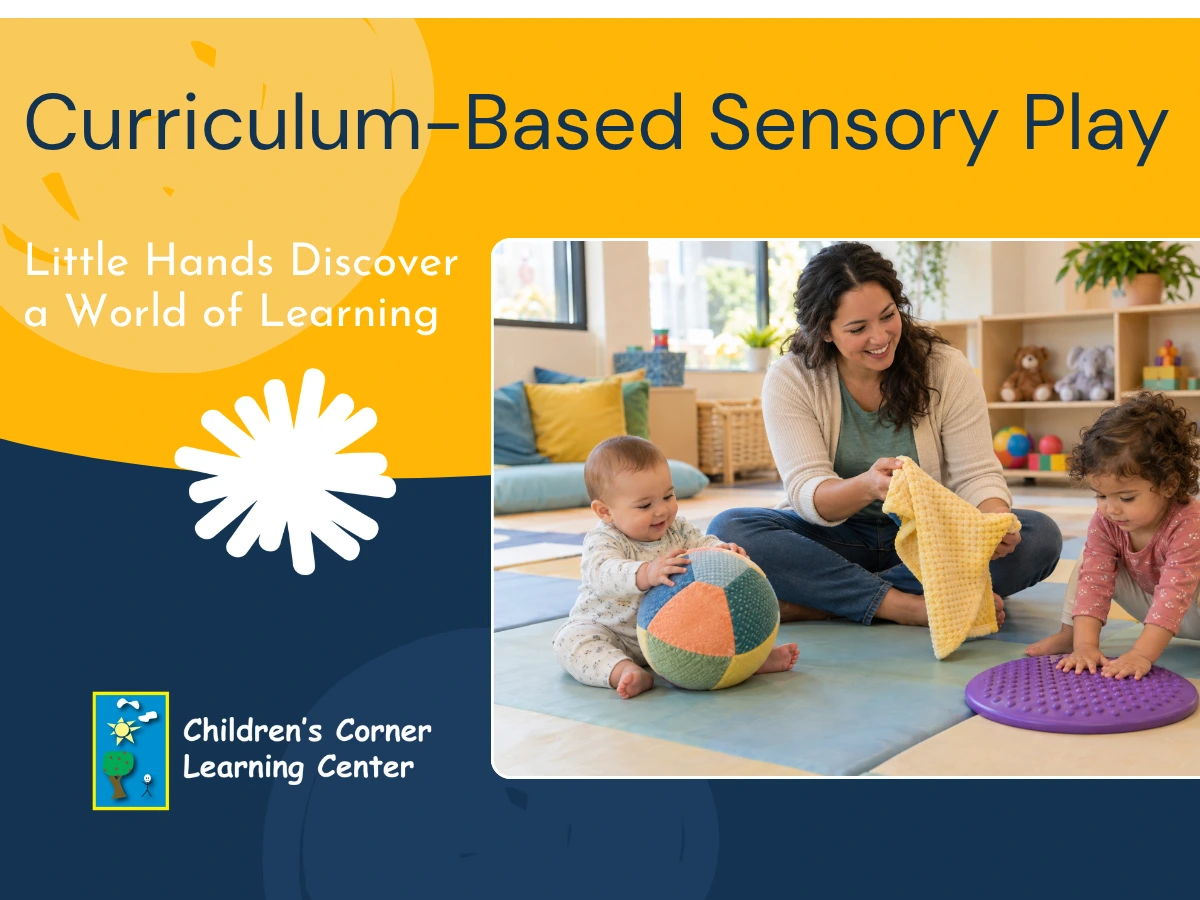
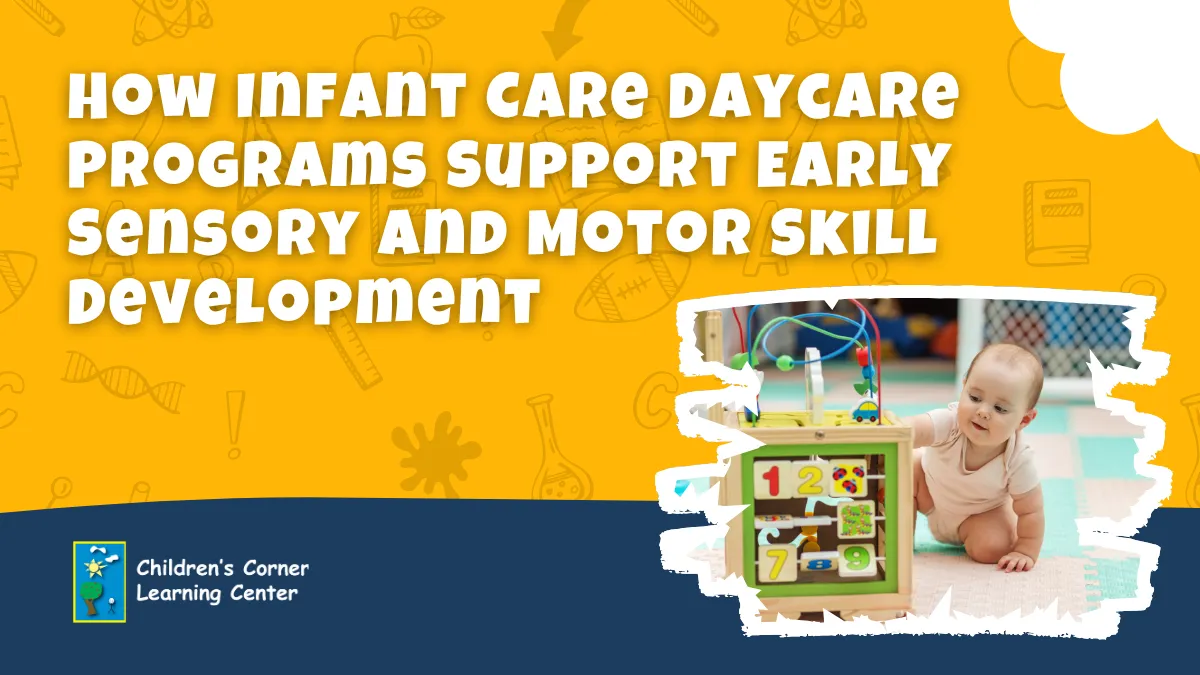
Infant care, daycare, and sensory-motor development play an important role in helping babies build the foundational skills they need for healthy growth. During the first year of life, infants learn through movement, touch, sound, sight, and everyday interaction with the world around them. A high-quality infant care program provides a safe, nurturing environment where these early experiences are encouraged through age-appropriate activities, guided support, and responsive caregiving. From tummy time and grasping toys to listening to songs and exploring textures, each moment can support physical coordination and sensory awareness. These early milestones help lay the groundwork for future learning, confidence, …
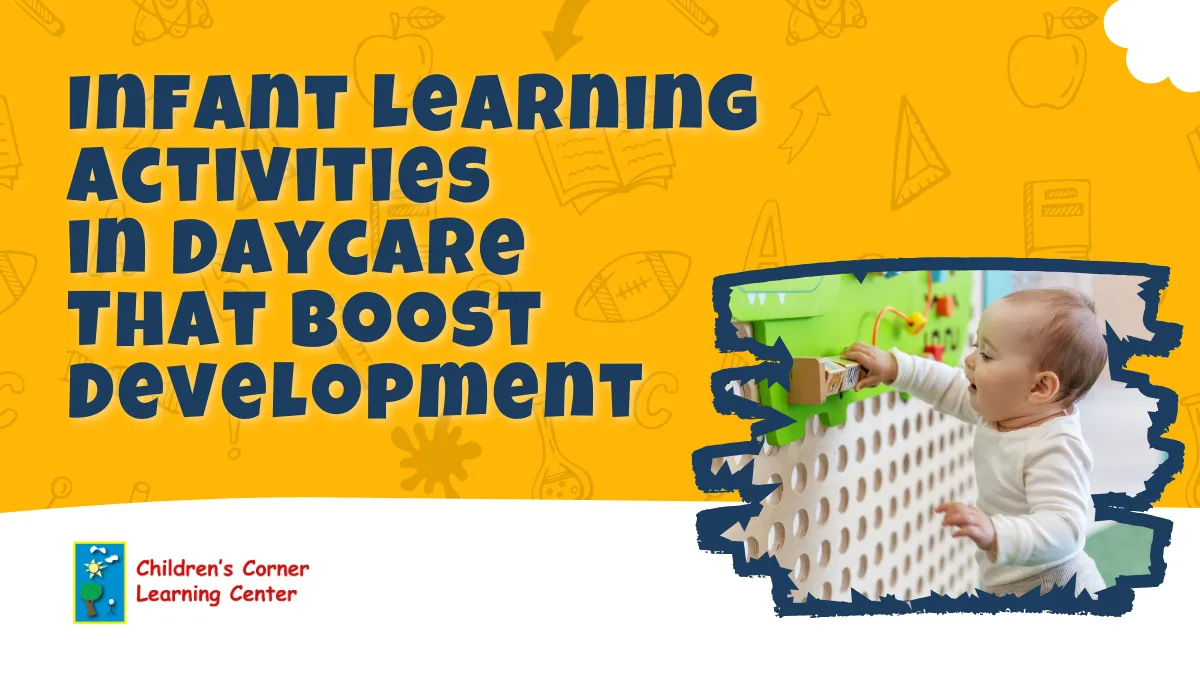
Infant learning activities in daycare play an important role in supporting early development during a child’s first year. These experiences are designed to strengthen communication, movement, sensory exploration, and emotional security through gentle, age-appropriate interaction. In a quality daycare setting, infants learn through daily routines, responsive caregiving, and safe opportunities to explore their environment. Activities such as tummy time, music, simple language exposure, and sensory play help build early brain development while encouraging curiosity and engagement. When guided by trained caregivers, these moments create a strong foundation for healthy growth and future learning. Sensory Play Activities for Infants That Encourage …
Child development programs for toddlers support early learning through age-appropriate activities that build communication, movement, social skills, and confidence. During the toddler years, children grow quickly in how they think, express emotions, and interact with others. A strong program creates a safe, nurturing environment where learning happens through play, daily routines, and guided exploration. With caring teachers and a consistent structure, toddlers begin to develop independence, curiosity, and essential life skills. These programs also encourage healthy habits, positive behavior, and early readiness for preschool by strengthening the foundational skills children will use for years to come. What Toddler Early Learning …
Infant daycare spaces open near White Plains offer families timely access to nurturing care and developmentally appropriate routines. Our infant program supports healthy growth through responsive caregiving, individualized schedules, and safe, well-equipped classrooms designed for early exploration. Daily communication, secure check-in procedures, and strict health and cleanliness standards reassure parents who need reliable care. Experienced educators engage babies with gentle sensory activities, tummy time, music, and language exposure that build early milestones. If you seek quality care near home, these limited openings ensure your child benefits from a warm environment that prioritizes safety, consistency, and strong foundations for future learning. …
When to move from infant daycare is a decision guided by development, routine stability, and classroom fit. Readiness indicators include steady walking and climbing, longer wake windows, growing language and imitation, interest in peers, and increasing independence with feeding and transitions. Families may also notice nap pattern changes or need more complex activities and teacher-led small groups. Programs typically recommend a move when the toddler classroom’s ratios, materials, and curriculum better match these needs. The process should be planned, with visits, brief trial periods, and aligned routines to reduce stress. Partnering with teachers ensures timing supports comfort, safety, and continued …
Infant care, health, and safety services form the foundation of a dependable early childhood program. Families need secure entry systems, vigilant supervision, and clear check-in procedures that protect every classroom. Daily wellness screening, sanitizing routines, and safe sleep practices reduce risk and support healthy development. Trained caregivers follow protocols for bottle handling, handwashing, and crib checks while monitoring cues and documenting care. Nutrition plans align with family preferences and pediatric guidance, with labeled storage and accurate tracking. Real-time communication informs parents about naps, bottles, and comfort; emergency plans are practiced and posted. These safeguards create a calm, predictable environment for …
Toddler learning programs with flexible schedules support families who need dependable care and structured early education. These programs combine a play-based curriculum with predictable routines, giving children a steady path for language, motor, and social development. Flexible options, such as part-time, extended-day, and adjustable start times, help parents align care with work hours while preserving consistency for children. Small group sizes, attentive supervision, and age-appropriate activities create a calm environment where toddlers explore safely and build independence. Daily communication keeps parents informed about meals, naps, and milestones, and teachers adjust plans to reflect each child’s pace. The result is a …
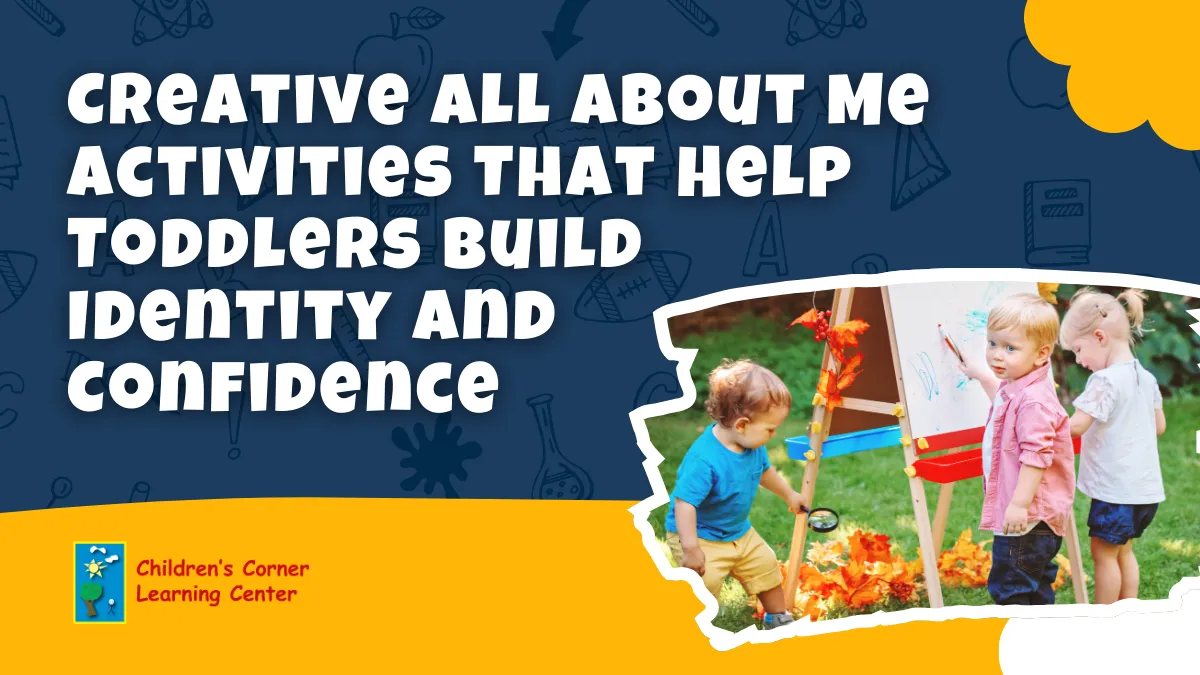
All about me activities for toddlers support identity, language, and social and emotional growth. Using mirrors, family photos, skin-tone crayons, name cards, and simple charts, these experiences invite children to notice features, preferences, and abilities in a respectful setting. Short, predictable steps like matching names to photos, labeling body parts, and choosing favorite foods or colors build vocabulary and fine-motor control while fostering confidence. Inclusive options allow every child to see themselves represented, and visual cues help maintain attention. With careful facilitation and clear safety routines, these activities promote self-awareness, empathy, and belonging that strengthen daily learning. Preschool Self Awareness …
Science experiments for toddlers provide simple, hands-on ways to nurture curiosity and build early STEM skills. These activities encourage observation, prediction, and cause-and-effect thinking by using everyday materials such as water, ice, food coloring, baking soda, and safe household containers. Short, structured steps respect developing attention spans, while sensory exploration supports fine-motor practice, language growth, and self-regulation. Each activity can be adapted for different ages and abilities, with close adult supervision to ensure safety and success. The following ideas emphasize quick setup, minimal mess, and clear learning goals, helping families and educators weave science into daily routines and purposeful play. …