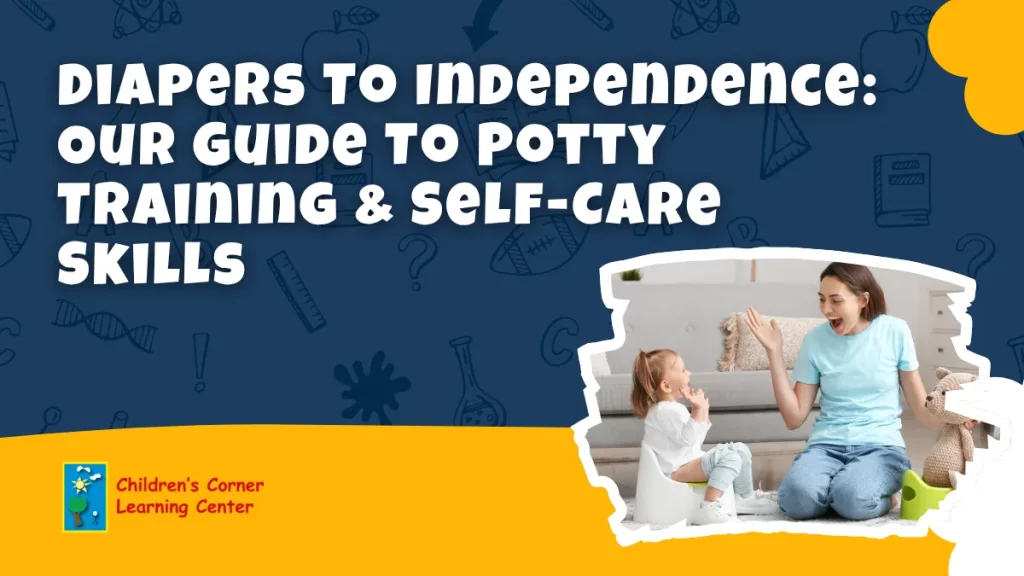
Journey from diapers to independence with potty training is an important stage in early childhood, helping children build confidence, self-awareness, and everyday self-care skills. This transition is about more than leaving diapers behind. It also involves learning routines, recognizing physical cues, practicing communication, and developing a sense of responsibility with gentle support.
Every child moves through this process at a different pace, which is why patience, consistency, and encouragement matter so much. With the right guidance at home and in a supportive early learning environment, potty training can become a positive step toward greater independence and daily confidence.
Positive Potty Training Strategies In Daycare That Support Success
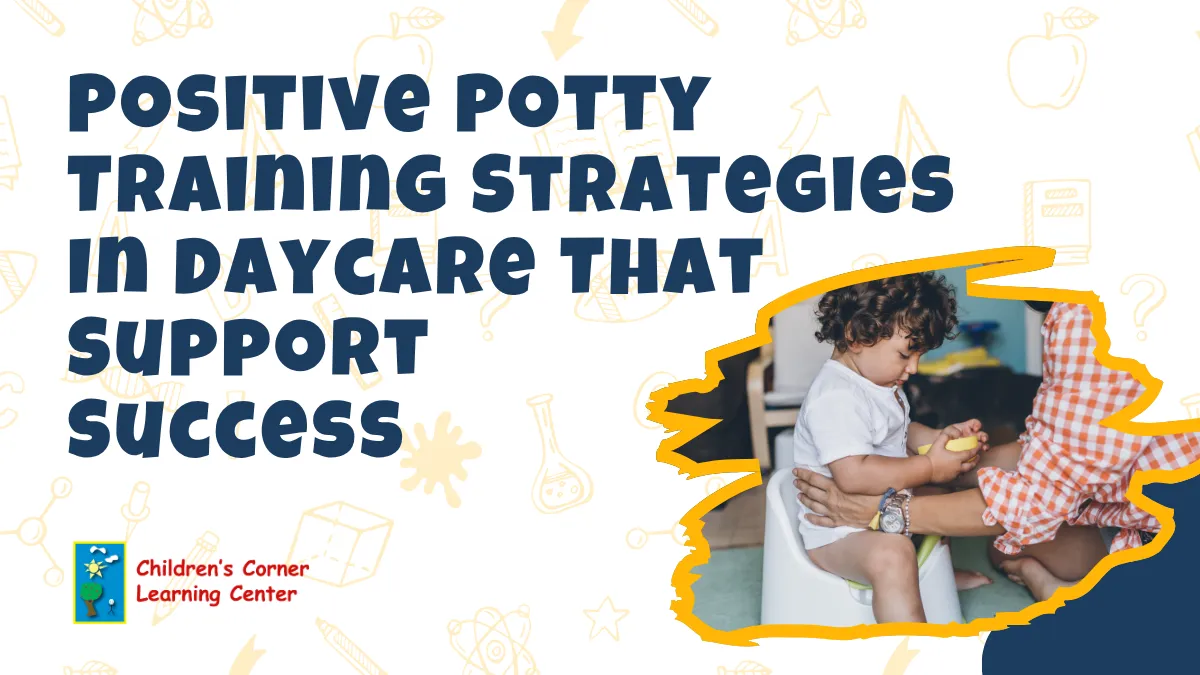
Positive potty-training strategies used by daycare programs can make this important stage feel more supportive, consistent, and manageable for both children and families. Potty training is not a one-size-fits-all process. Each child develops readiness at a different pace, which is why a calm and encouraging daycare environment can make such a meaningful difference. With the right approach, children can begin building confidence while learning an important self-care skill.
Creating A Supportive Routine
Consistency is one of the most helpful parts of potty training in a daycare setting. Regular bathroom reminders, predictable schedules, and gentle encouragement can help children become more familiar with the process. When potty time is built naturally into the day, children often feel less pressure and more comfort as they learn what to expect.
Positive Strategies That Encourage Progress
A thoughtful daycare program may use simple strategies that help children feel supported without creating stress. These can include:
- Gentle reminders throughout the day
- Encouragement without pressure
- Praise for effort and participation
- Clear and age-appropriate language
- Consistent routines between activities
- Patience during setbacks or accidents
These practices help children feel safe as they work through a new routine.
Why A Positive Approach Matters
Children often respond best when potty training feels encouraging rather than forced. A positive environment can reduce anxiety and help children feel proud of small steps forward. Even simple progress, such as sitting on the toilet, communicating a need, or staying dry for longer periods, deserves recognition as part of the learning process.
Partnership With Families Supports Better Results
Daycare success is strongest when caregivers and families work together. Shared communication about routines, language, and progress helps create consistency between home and school. This can make potty training feel less confusing for children and more organized for adults.
How Self-Care Skills In Preschool Build Confidence And Independence
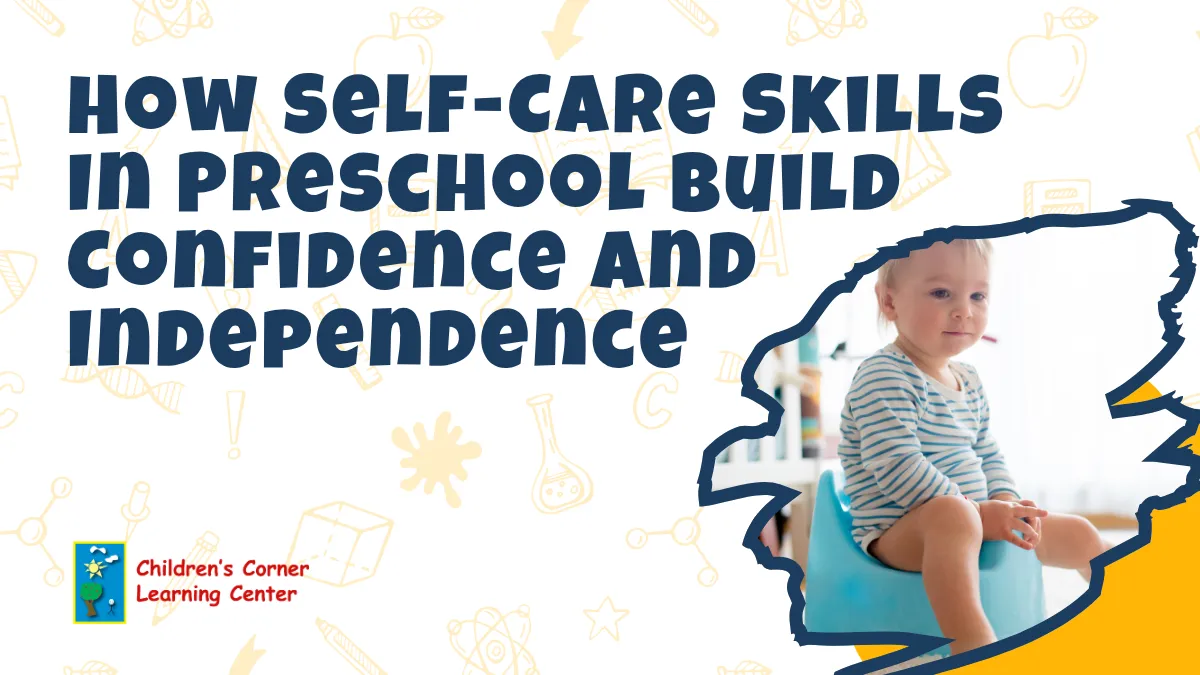
Self-care skills preschool children practice each day play an important role in helping them become more capable, confident, and independent. These everyday routines go beyond basic tasks. They help children learn how to care for themselves, follow expectations, and take pride in what they can do on their own. In a supportive preschool setting, self-care becomes a natural part of the day and an important part of a child’s overall development.
Everyday Routines Create Meaningful Learning Opportunities
Many preschool self-care skills are built through simple daily routines. Washing hands, putting on shoes, cleaning up after activities, using the restroom, and managing personal belongings all give children opportunities to practice responsibility. These moments may seem small, but they help children understand that they are capable of participating in their day with growing independence.
Self-Care Skills That Support Growth
A preschool environment can help children strengthen a variety of practical life skills, such as:
- Washing hands independently
- Putting away personal items
- Following bathroom routines
- Managing clothing like jackets or shoes
- Cleaning up after meals or play
- Asking for help when needed
These experiences help children build both physical coordination and a stronger sense of self-direction.
Confidence Grows Through Practice And Encouragement
As children repeat these routines, they begin to feel more secure in their abilities. Each completed task helps reinforce the idea that they can do more for themselves. Positive encouragement from caregivers and teachers can make this process even more meaningful, especially when children are learning new steps or working through challenges. Over time, confidence grows through steady practice rather than pressure.
Independence Supports Readiness Beyond Preschool
Self-care skills do more than make daily routines easier. They also prepare children for future learning environments where following routines, managing personal needs, and participating independently are important. When preschoolers build these habits early, they develop a stronger foundation for responsibility and self-confidence.
Why Communication During Potty Training Matters For Children And Caregivers
Communication during potty training is one of the most important ways to help children feel supported, understood, and successful during this stage of development. Potty training is not only a physical milestone. It also involves emotional readiness, routine, and clear guidance from the adults involved. When children and caregivers are communicating consistently, the process often feels less stressful and more manageable for everyone.
Clear Communication Helps Children Feel Secure
Young children benefit from simple, consistent language they can understand and recognize. Clear words and repeated phrases can help them connect actions with expectations, such as knowing when it is time to try using the toilet or when to ask for help. This kind of communication builds familiarity and can make potty training feel more predictable and less overwhelming.
Important Ways Caregivers Can Communicate
Both families and educators can support children by using communication that is calm, respectful, and easy to follow. Helpful approaches may include:
- Using consistent potty-related language
- Giving gentle reminders throughout the day
- Praising effort rather than expecting perfection
- Encouraging children to express their needs
- Sharing updates between home and school
- Responding to accidents with reassurance
These habits create a more supportive environment for learning.
Communication Between Adults Creates Consistency
Children often make better progress when the adults around them are working together. When parents and caregivers share updates about routines, language, accidents, and signs of readiness, children receive a more consistent experience. This can reduce confusion and help potty training feel more familiar across different settings.
Strong Communication Supports Emotional Confidence
Potty training can bring moments of pride, frustration, hesitation, and growth. Supportive communication helps children feel safe as they navigate each part of the process. When adults respond with patience and encouragement, children are more likely to stay confident and engaged, even when progress takes time.
Recognizing Signs That A Child May Be Ready For Potty Training
Recognizing signs that a child may be ready for potty training can help families and caregivers begin this transition at the right time. Readiness is not based solely on age. It is often reflected in a combination of physical, emotional, and behavioral cues that suggest a child is becoming more aware of their body and more interested in doing things independently. When adults watch for these signs carefully, potty training can begin in a way that feels more supportive and less stressful.
Readiness Often Shows Up In Small Everyday Ways
Children usually show readiness gradually rather than all at once. A child may begin staying dry for longer periods, seem uncomfortable in a wet diaper, or show curiosity about the bathroom routine. Some children may start telling an adult when they need a diaper change, while others may want to watch and imitate older children or caregivers. These early signs can indicate growing awareness and interest.
Common Signs To Look For
While every child is different, some common potty training readiness signs may include:
- Staying dry for longer stretches
- Showing discomfort with a soiled diaper
- Following simple directions
- Expressing interest in the toilet or bathroom habits
- Pulling pants up and down with help
- Communicating the need to go, even after the fact
- Showing pride in doing simple tasks independently
These cues can help adults decide when it may be appropriate to begin.
Emotional Readiness Matters Too
Physical signs are important, but emotional readiness also plays a major role. A child who is willing to try, able to sit briefly, and open to gentle encouragement may respond more positively to the process. If a child is feeling resistant, overwhelmed, or anxious, it may be helpful to wait a little longer and continue offering calm exposure without pressure.
A Thoughtful Start Supports Better Progress
Beginning potty training when a child shows true readiness can lead to a more positive experience. It helps children feel more confident, reduces frustration, and supports steady progress over time. With patience, observation, and encouragement, adults can help make this important step feel manageable and successful.
Conclusion
Potty training and early self-care skills are important steps in helping children grow more confident, capable, and independent. With patience, consistency, clear communication, and supportive routines, this transition can become a positive learning experience rather than a stressful one. When families and caregivers work together to encourage progress at the right pace, children have the opportunity to build trust in themselves while developing skills that support everyday success both now and in the years ahead.
Take the next step toward confident early learning. Book a tour at https://childrenscornergroup.com/book-a-tour/ or call (845) 250-5492 to learn more.