9 Convenient Locations Throughout Westchester & Rockland County

Have any questions? (800) 933 7757

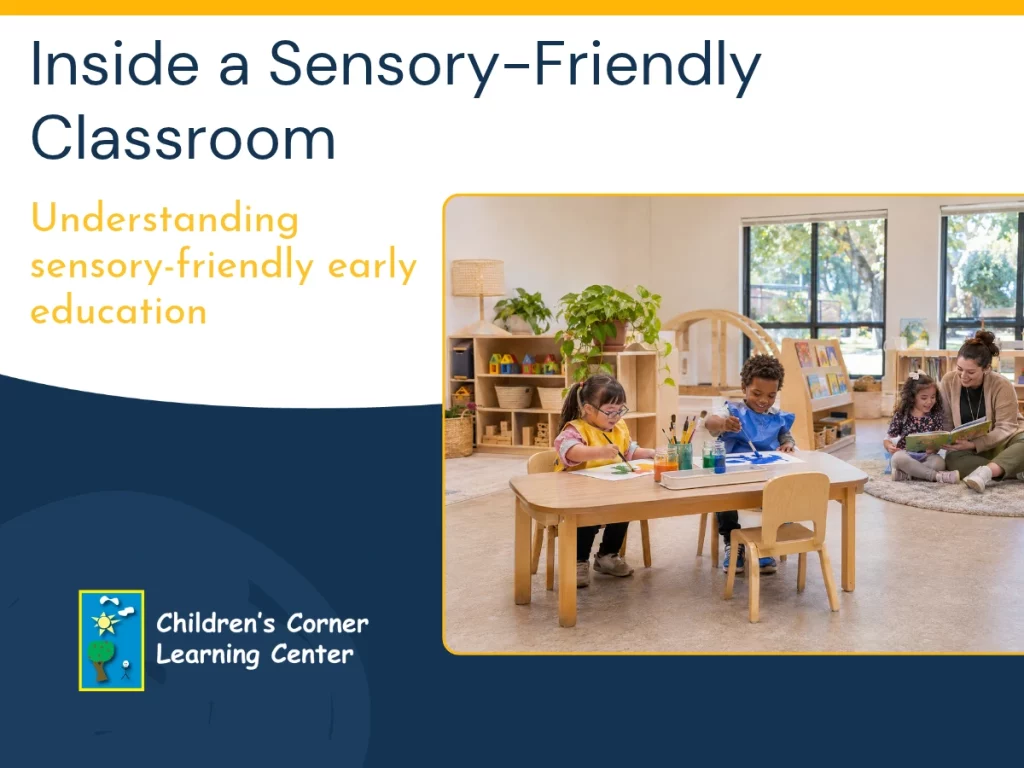
Inside a Sensory-Friendly Classroom: What Inclusive Early Learning Really Looks Like in Pearl River

inclusive early childhood education in pearl river ny
Families exploring inclusive early childhood education in Pearl River, NY, often want to understand how a classroom will respond to their child’s individual needs. A busy room may feel inviting to one child and overwhelming to another. Meaningful inclusion begins with noticing these differences and making participation more accessible. Thoughtful classroom arrangements, flexible activities, and responsive adults can help children feel comfortable enough to explore and connect. A sensory-friendly approach considers how children experience their surroundings while preserving opportunities for active learning. For parents, understanding these everyday practices can make preschool visits more informative and conversations with teachers more useful.

What Sensory-Friendly Daycare in Rockland County Can Look Like

When considering sensory-friendly daycare in Rockland County, families can look at how a setting manages everyday experiences such as sound, lighting, movement, and touch. The goal is to offer a range of comfortable ways to participate, recognizing that children respond differently to the same environment. A Classroom With Clearly Defined Spaces Room arrangement can affect how easily children find materials and settle into activities. A reading area beside a busy construction space, for example, may be difficult to use when blocks are falling nearby. Helpful design choices can include:
  • Separating quieter activities from energetic play.
  • Keeping walking routes clear of children’s ongoing projects.
  • Organizing materials so children can locate and return them.
  • Limiting unnecessary visual clutter around focused activities.
These choices support access without requiring every child to use the room in the same way. A child might prefer looking at a book with one friend, while another enjoys joining a larger storytelling group. Attention to Everyday Sensory Experiences During a visit, consider what a child encounters at their own height. Notice whether several sources of sound compete at once, whether materials are easy to distinguish, and where children can move without crowding. A lively classroom can still be thoughtfully organized. Music, conversation, and active play have a place in early learning. What matters is whether children have access to different levels of stimulation throughout the day. Choices Within Shared Learning Sensory-friendly participation may involve offering another way to explore a material. During painting, a child who avoids direct contact with paint could use a brush or roller. They can still experiment with color and movement alongside classmates. An alternative approach should preserve the learning opportunity. Children benefit when adults consider what an activity is intended to teach and identify more than one way to take part.

Pearl River Preschool Support: How Teachers Make Participation Possible

Pearl River preschool support begins with understanding the child behind a particular response. Moving away from an activity, covering the ears, or hesitating to touch a material gives adults information to explore. A single response does not establish its cause, but careful observation can guide a useful adjustment. Observe Before Making Assumptions Consider a child who regularly leaves the table during art. The difficulty might involve the texture of a material, the crowded seating arrangement, or uncertainty about what to do next. A teacher can observe when the child moves away and what makes participation easier. Offering more space or demonstrating the first step may provide useful information. This approach keeps attention on helping the child engage. It also creates a more specific conversation with families than a broad statement that the child “does not like art.” Make Routines Easier to Understand Transitions can require children to stop something meaningful and begin an unfamiliar task. Clear signals help make those changes easier to anticipate. Possible supports include:
  • A picture sequence showing familiar parts of the day.
  • A brief reminder before an activity ends.
  • A demonstration of what to do next.
  • Additional time to finish a manageable step.

These supports should match the child’s understanding. A spoken instruction may be sufficient for one child, while another benefits from seeing the next activity pictured. Allow Different Ways to Communicate Children may communicate through words, gestures, pointing, or other established communication methods. Responsive adults notice these attempts and give time to respond. For example, pointing toward a quieter area may communicate a need for a break. A teacher can acknowledge the message and help the child access appropriate support. Participation becomes more accessible when children have reliable ways to express preferences, request help, and connect with others.

Calm-Down Spaces in Preschool: What Pearl River Parents Should Know

Calm-down spaces in preschool give Pearl River families another feature to explore during a visit. A thoughtfully used quiet area can offer a place to pause when classroom activity feels difficult to manage. Its value depends on how adults introduce and support its use. A Comfortable Space That Remains Supervised A quiet area might contain a small selection of books, suitable seating, or a familiar comfort item. It should remain safely arranged and easy for teachers to supervise. Adding more equipment does not necessarily make the space more helpful. Some children may welcome a simple picture book; others may prefer sitting near a trusted adult with few materials around them. The space should also be accessible before a child becomes very upset. Children can become familiar with it during settled moments, when an adult can explain its purpose without urgency. Adult Support Is Essential Young children may need help understanding what they are feeling and deciding what could help. An adult can offer a calm presence, use brief language, and respond to the child’s cues. For example, a teacher might acknowledge that the room feels noisy and offer to sit nearby. Another child may prefer a little space while remaining within close supervision. A supportive quiet area should never become a place where children are isolated, shamed, or required to manage distress alone. Help Children Reconnect With the Classroom Taking a break should preserve a child’s connection to the group. When the child is ready, a teacher can help them return through a manageable next step. That might mean joining one peer at a puzzle instead of immediately returning to a large group. Families can ask how teachers recognize readiness to rejoin and what happens if a child frequently needs a break. Repeated difficulty may indicate that the activity or wider environment needs adjustment.

Looking Beyond the Room: Belonging in Everyday Experiences

Sensory-friendly design is one part of inclusion. Children also need opportunities to develop friendships, contribute ideas, and see their experiences represented in classroom life. Shared Activities With Flexible Participation Consider a pretend grocery store. One child may enjoy speaking as the cashier, while another prefers arranging food or handing over a shopping basket. Each role contributes to the shared activity. Teachers can help children recognize these contributions and make room for different ways of joining play. The goal is meaningful involvement, not identical participation from every child. The same principle applies to stories, construction, and outdoor exploration. Adjustments are useful when they help a child stay connected to the experience and to other children. Materials That Reflect Different Lives Books, photographs, and play materials can represent varied families, languages, and abilities. These materials give children opportunities to recognize familiar experiences and learn about others. Adults’ responses matter as well. When children notice a difference, a straightforward, respectful explanation can support understanding. Everyday interactions help establish whether differences are treated as an ordinary part of the classroom community. A Continuing Partnership With Families Families bring knowledge about their child’s interests, communication, and comfort. Sharing what helps during unfamiliar situations can give teachers a useful starting point. Specific classroom observations are equally valuable. A description such as “She joined painting when we offered a long-handled brush” helps families understand what supported participation. Where a child has an existing support plan or works with a specialist, parents can ask how the program coordinates with those recommendations. Discussing the arrangements directly helps establish shared expectations. Conclusion A welcoming classroom makes room for children to participate in different ways while remaining part of a shared community. For families, useful signs include thoughtful responses to discomfort, accessible activities, and adults who take time to understand each child. The most meaningful question is how these practices work for the individual child attending. Children’s Corner Learning Center emphasizes individualized learning and a nurturing environment, with a Pearl River location at 1 Blue Hill Plaza. A visit gives you the opportunity to discuss your child’s preferences and ask which classroom arrangements and supports are available. Families seeking particular sensory accommodations should confirm those details directly with the team. Begin a conversation about your child’s learning needs by calling Children’s Corner Learning Center at (800) 933-7757 or visiting https://childrenscornergroup.com/ to arrange a tour.
Picture of Samantha Powers
Samantha Powers

Samantha Powers is an emerging author specializing in tales of daycare adventures and the magic of early childhood. Drawing from her own experiences as a daycare provider, her debut book, "The Daycare Diaries," transports readers into a world where the laughter of children and the dedication of caregivers create unforgettable moments. With a keen eye for the enchantment of young minds at play, Samantha's storytelling captures the heartwarming essence of daycare, celebrating the bond between caretakers and the little ones who light up their days. Her work resonates with parents, educators, and anyone who cherishes the wonder of those precious early years.