A kindergarten readiness assessment in
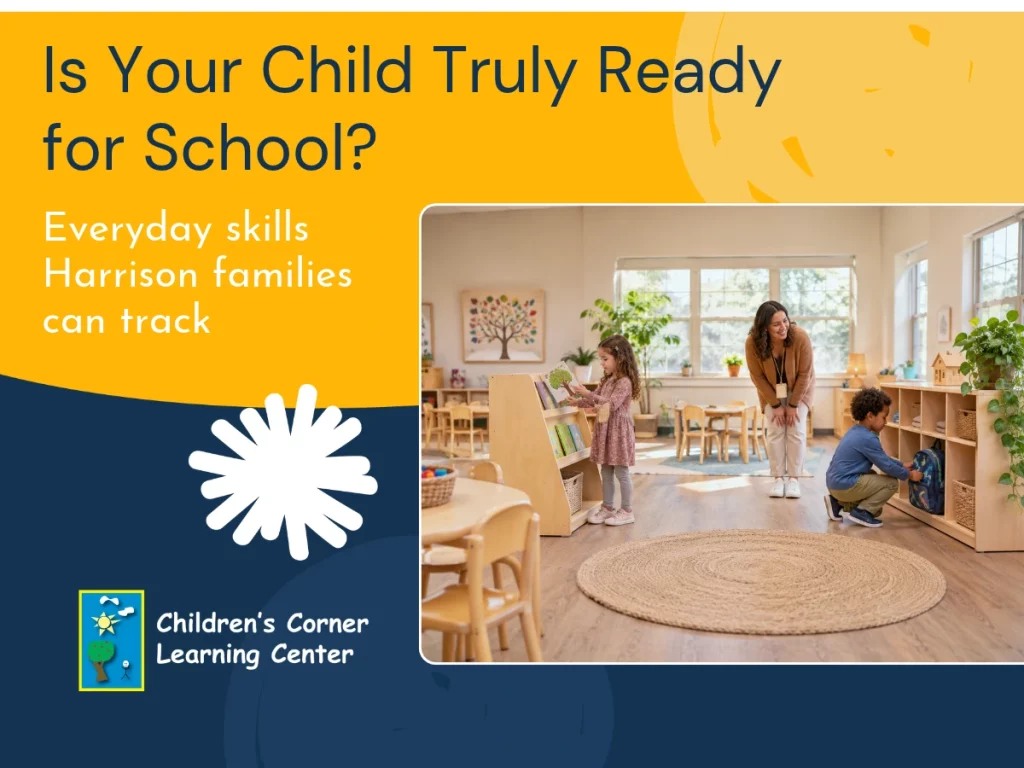
Harrison, NY, can help families understand their child’s developing strengths and identify where additional support may be useful. Readiness involves more than recognizing letters or counting correctly. It also includes communicating needs, participating with others, and approaching unfamiliar experiences with support.
Children develop these abilities at different rates, so a single score or difficult day cannot capture the whole picture. By observing everyday skills and discussing them with educators, parents can prepare thoughtfully for kindergarten. The aim is to understand how a child learns and what will help them participate comfortably in their next classroom.
How Pre-K Programs in Harrison, NY, Build Everyday Readiness
When exploring pre-K programs in Harrison, NY, parents can look for opportunities to practice skills within meaningful activities. A child may
demonstrate emerging readiness while discussing a story, sharing construction materials, or following the steps of a familiar routine.
Communication That Helps Children Participate
Expressing a need is valuable in a busy classroom. Children benefit from practice asking for help, explaining an idea, and responding when someone speaks to them. Communication may involve speech, gestures, or an established communication aid.
During everyday interactions, notice whether your child can:
- Let a familiar adult know when something is uncomfortable.
- Contribute an idea during play or conversation.
- Respond to a simple question about a shared experience.
- Seek clarification when an instruction is unclear.
For example, telling a teacher that a lunch container will not open is a meaningful act of communication and independence. Children do not need to solve every problem alone to participate successfully.
Early Literacy and Number Awareness
Early academic skills are part of readiness, but they should be understood in context. The CDC’s milestones for age five include naming some letters, writing some letters in one’s name, and counting to ten. These are developmental reference points, not a complete set of kindergarten admission requirements.
Families can notice these abilities during ordinary activities. A child might identify a familiar letter on a sign or count objects while arranging a pretend picnic. Understanding what the child is doing provides more insight than repeatedly asking them to recite information.
Interest in Learning
A child who asks how something works, chooses materials for a project, or returns to an unfinished puzzle is showing engagement. These behaviors may be less visible than a completed worksheet, but they matter.
Pre-K experiences can give children room to explore an interest and work through manageable challenges. Parents can ask how teachers recognize progress in children who demonstrate their learning through play rather than written work.
What a Harrison, NY, Early Learning Center Can Help You Observe
Educators at a Harrison, NY,
early learning center may see abilities that look different at home. Group activities create opportunities to observe how children share space, respond to peers, and manage routines with nearby children.
Social Participation and Emotional Support
Taking turns and following rules during games are among the CDC’s age-five milestones. However, cooperation remains a developing skill. A child may manage turns comfortably with one friend and need more help in a larger group.
Useful observations include whether the child attempts to join play, accepts guidance during a disagreement, or reconnects with an activity after becoming upset.
For example, a child who initially grabs a toy may later ask for a turn after an adult reminds them. The reminder does not erase the progress. It shows the level of support that currently helps.
Attention During Meaningful Activities
The CDC identifies attending for five to ten minutes during activities such as stories or arts and crafts as an age-five milestone. Screen viewing does not count toward that example.
This should not become a timed test at home. Instead, observe engagement across different situations. A child may spend longer building than listening to an unfamiliar story.
Discuss what helps your child participate. A demonstration, fewer materials on the table, or a brief movement opportunity may change how they approach a task.
Managing Materials and Personal Needs
Classroom participation also involves practical tasks. These might include finding belongings, putting materials away, washing hands, and asking for assistance with clothing.
Try observing one familiar routine from beginning to end. During preparation for an outing, does your child recognize their coat, try to put it on, and ask for help with the zipper?
These observations reveal both existing abilities and useful next steps. Children with disabilities may use adaptations or ongoing assistance. Their support needs should inform planning rather than be treated as evidence that they do not belong in kindergarten.
Planning the Transition to Kindergarten in Westchester County
The
transition to kindergarten in Westchester County involves a new environment and new expectations. Families can support the change by learning about the receiving school and sharing information that helps staff understand their child.
Confirm the School’s Process Directly
Contact your school district for its current enrollment timeline, age eligibility rules, and any screening or orientation arrangements. Get these details from the district, not a general readiness checklist.
If a screening is offered, ask:
- Which areas of development does it consider?
- How will the results inform classroom support?
- How can families contribute observations?
- How are language differences and existing support needs considered?
The American Academy of Pediatrics advises using kindergarten screening to guide instruction and support, rather than as a gatekeeping measure. An unfamiliar setting or brief interaction may not show everything a child can do.
Introduce the New Environment Gradually
Use any orientation or classroom visit the school offers. Familiarity with the entrance, classroom, or teacher can give children concrete details to connect with conversations about starting school.
At home, describe what is known without making promises about every part of the day. Reading a story about beginning school may help a child express a question that has not otherwise emerged.
Practice relevant routines in manageable steps, such as locating a backpack or opening a lunch container. Keep these experiences brief and encouraging.
Share What Helps Your Child Learn
A summary for the receiving teacher can include interests, communication preferences, and approaches that help during difficult moments. Specific information is especially useful.
For example, “A picture of the next activity helps him leave a preferred task” offers a clearer starting point than “He dislikes change.”
If your child has an existing support plan, discuss transition arrangements with the relevant school team early enough to clarify responsibilities and next steps.
A Simple Way to Track Progress Without Creating Pressure
Tracking readiness can remain informal. A few specific notes gathered over time are often more useful for a
parent-teacher conversation than a long checklist marked only “yes” or “no.”
Record the Skill and the Support
Choose one or two everyday situations to observe. Write down what your child did and what assistance was needed.
For example:
| Everyday situation |
Observation |
Support that helped |
| Getting ready to leave |
Found shoes and put them by the door |
A reminder to check the usual storage place |
| Playing a board game |
Waited while another player finished |
An adult pointed to whose turn came next |
| Looking at a book |
Explained what happened in one picture |
A question about the character’s actions |
| Cleaning up |
Returned blocks to the correct container |
A picture label on the container |
These examples describe participation rather than assign a score. Over time, you may notice that a reminder becomes shorter or that your child begins a familiar step independently.
Compare Observations With the Teacher
Ask whether the same skill appears in the classroom and what helps there. Differences between settings can offer useful information about the task, group size, or how familiar the routine is.
Agree on a manageable next step. If asking for help is difficult, for example, adults might consistently model a short phrase or familiar gesture.
Raise Concerns Promptly
If a skill is not emerging, your child loses an ability they previously used, or you have concerns about development, speak with their pediatrician and educator. Ask whether developmental screening or further evaluation would be appropriate.
A readiness conversation should lead to useful support. It should not require families to wait until the first weeks of kindergarten to discuss persistent difficulties.
Conclusion
Readiness grows through everyday experiences that help children communicate, participate, and become more familiar with learning alongside others. A child’s strengths and support needs both deserve attention. Recognizing progress in context helps families prepare for school with realistic expectations and a clearer understanding of next steps.
At Children’s Corner Learning Center in Harrison, our approach emphasizes learning through play and personalized attention to children’s cognitive, emotional, and social development. Located at 450 Mamaroneck Avenue, our center offers a nurturing setting where families can discuss their child’s interests and early learning needs.
To explore how Children’s Corner can support your child’s next stage of learning, call
(800) 933-7757 or arrange a visit through
https://childrenscornergroup.com/our-centers/harrison/.