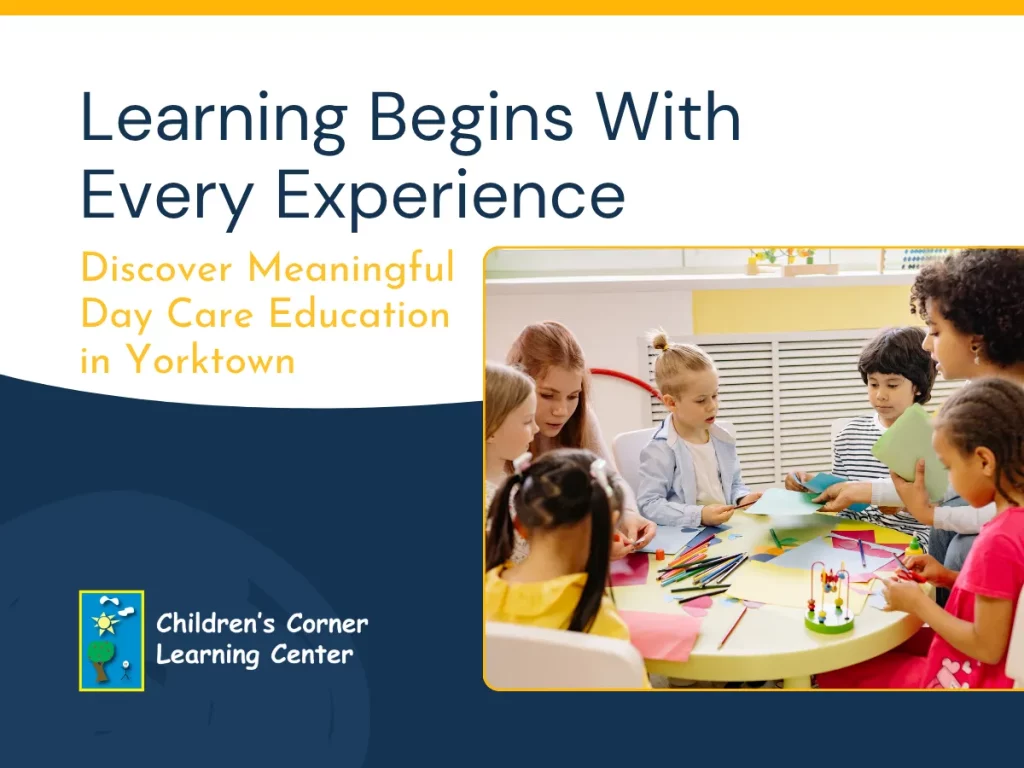
Day care educational programs in Yorktown give young children opportunities to learn, form positive relationships, and develop greater confidence within a nurturing daily routine. A strong program combines dependable care with intentional experiences that support early literacy, mathematics, creativity, communication, movement, and emotional growth.
Rather than separating education from play, effective early learning environments use stories, projects, conversations, music, exploration, and guided activities to make new concepts meaningful. At Children’s Corner Learning Center, individualized care and age-appropriate learning help children build foundations for elementary school and future success.
How Preschool Curriculum Options in Yorktown Shape Daily Learning
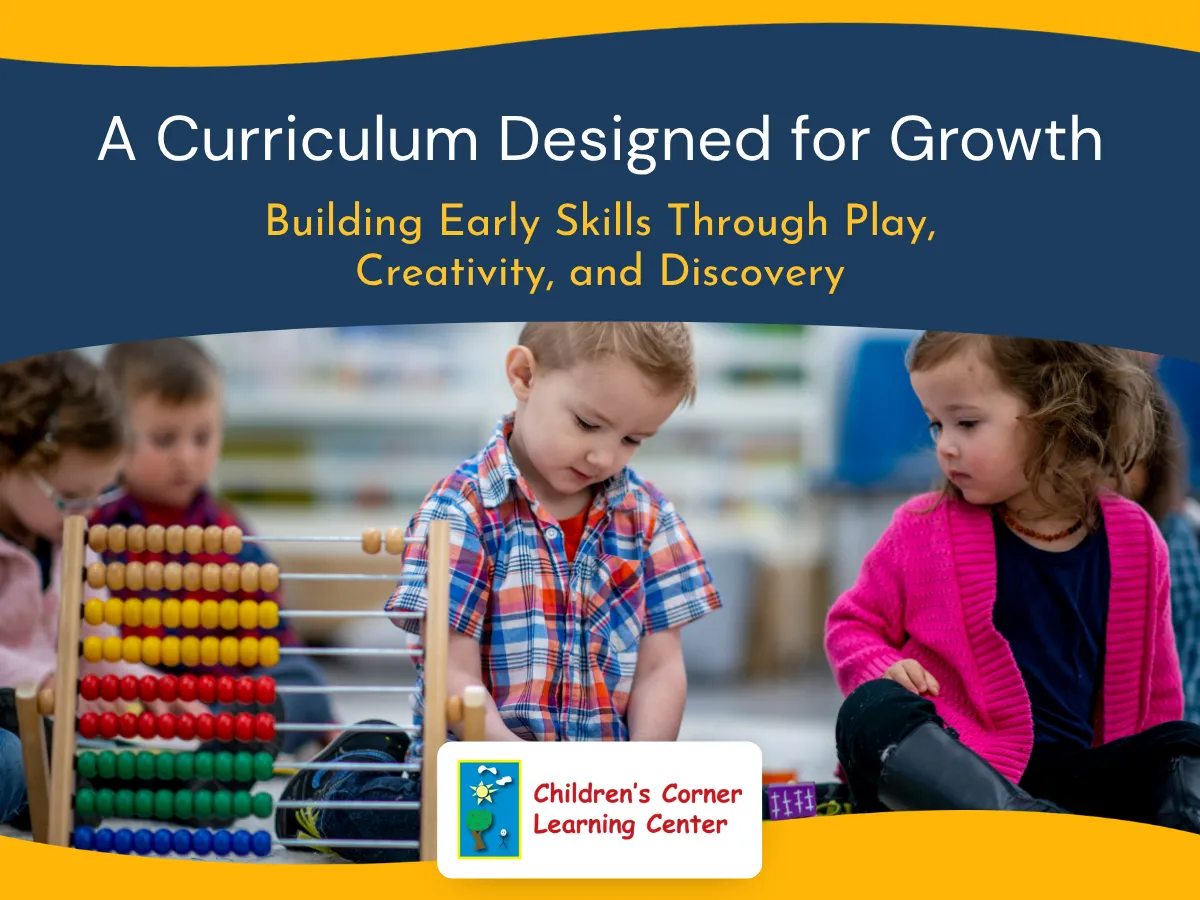
Preschool curriculum options in Yorktown can vary in structure, teaching methods, and academic emphasis. The most effective approaches recognize that young children develop through a combination of purposeful play, responsive instruction, predictable routines, and opportunities to explore their own interests.
Developmentally appropriate education considers each child’s age, abilities, individual characteristics, family, and wider community. It supports joyful, active learning rather than relying only on formal instruction or repetitive academic work.
Early Literacy and Communication
Language development occurs throughout the preschool day. Children build vocabulary by listening to stories, joining group discussions, singing songs, engaging in pretend play, and explaining their ideas to teachers and classmates.
A well-rounded literacy curriculum may include:
- Interactive story time
- Songs, rhymes, and sound activities
- Opportunities to recognize letters and names
- Conversations about classroom experiences
- Drawing and early writing activities
- Dramatic play that encourages storytelling
Children’s Corner incorporates circle time, reading readiness, music, rhymes, story time, and dramatic play into its preschool program. These experiences are intended to support communication, listening, vocabulary, imagination, and early literacy development.
Early Mathematics and Scientific Thinking
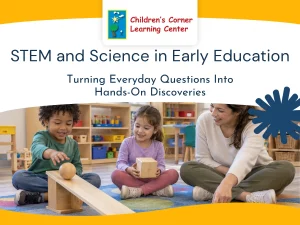
Young children begin developing mathematical understanding long before they complete formal worksheets. Counting classroom objects, sorting materials, comparing sizes, noticing patterns, and building with blocks can all introduce important concepts.
Science learning can emerge through observing weather, exploring natural materials, mixing colors, testing how objects move, or discussing why a structure fell. These activities encourage children to make predictions, investigate possibilities, and describe what they notice.
The educator’s role is to extend learning through thoughtful questions and appropriate challenges. A simple question such as “What could make this tower stronger?” encourages a child to plan, test, and revise an idea.
Yorktown Child Development Activities That Support the Whole Child
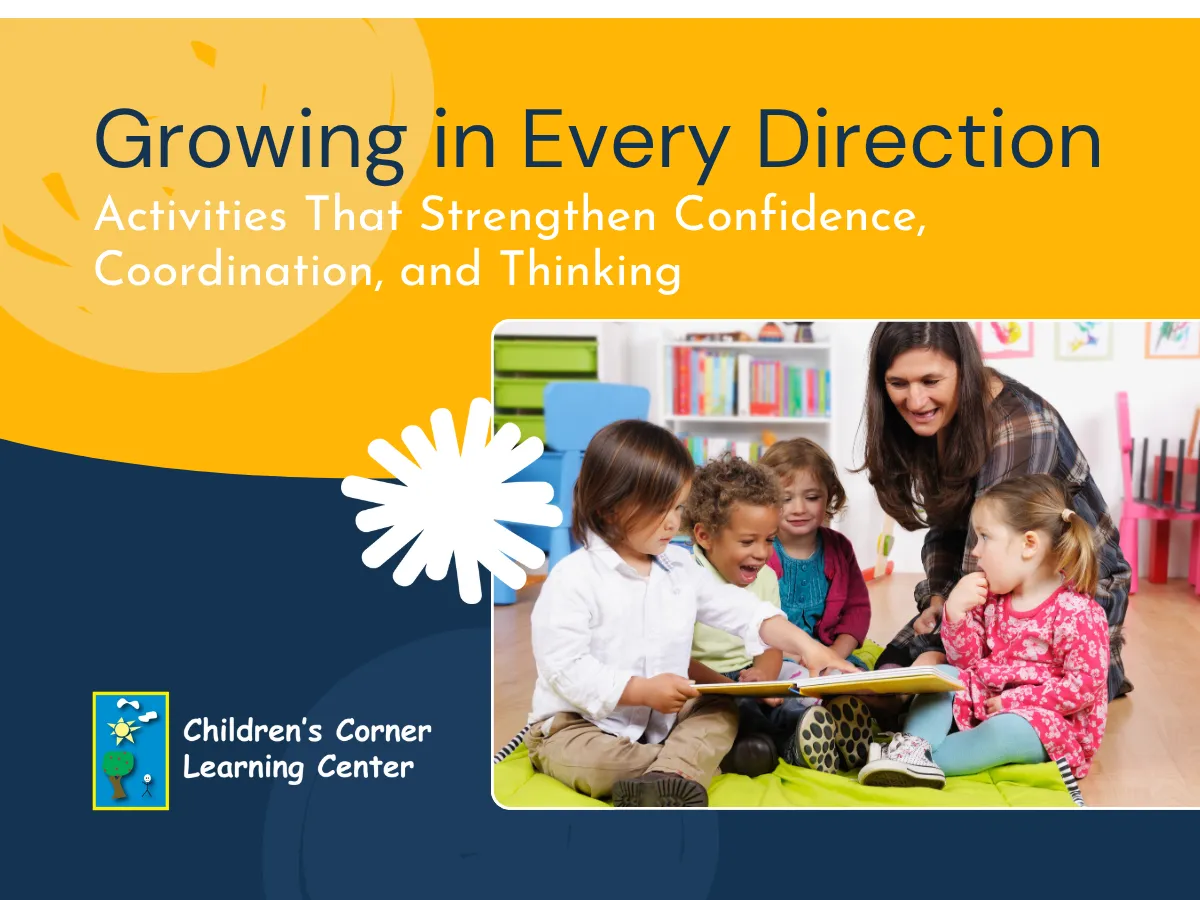
Yorktown child development activities should address more than academic knowledge. During the early years, children are developing language, movement, emotional awareness, independence, social understanding, and problem-solving abilities at the same time.
The CDC identifies developmental progress across how children play, learn, speak, behave, and move. Quality educational programs therefore provide varied experiences that support multiple areas of growth throughout the day.
Social and Emotional Development
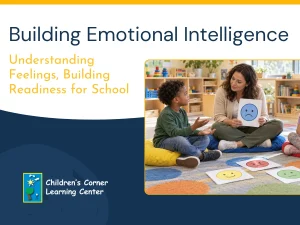
Daily group experiences give children opportunities to practice sharing, taking turns, listening to others, and communicating their needs. They also begin learning how to manage disappointment, enter a group activity, and respond when another child has a different idea.
Helpful social and emotional activities may include:
- Cooperative building projects
- Small-group games
- Classroom responsibilities
- Pretend-play scenarios
- Discussions about feelings
- Partner art activities
- Songs and stories about friendship
Educators support this development by modeling respectful communication, helping children identify emotions, and guiding them through manageable conflicts. The goal is not to prevent every disagreement. It is to help children develop the skills needed to respond with increasing patience and confidence.
Physical and Motor Development
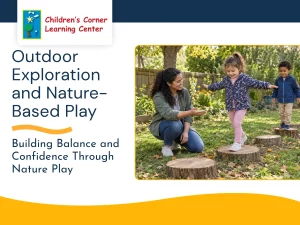
Children need regular opportunities to strengthen both large and small muscles. Outdoor play, dancing, balancing, climbing, throwing, and active games support gross motor development. Drawing, molding, threading, cutting, and using classroom tools support fine motor control.
Preschool-age children should be physically active throughout the day through varied and enjoyable movement experiences. Early care settings can support this need by providing suitable indoor and outdoor play spaces and age-appropriate activities.
Movement also supports classroom participation. As children develop body awareness, coordination, and control, they become better prepared to complete self-care tasks and use learning materials independently.
What Defines a Strong Day Care Learning Environment in Yorktown
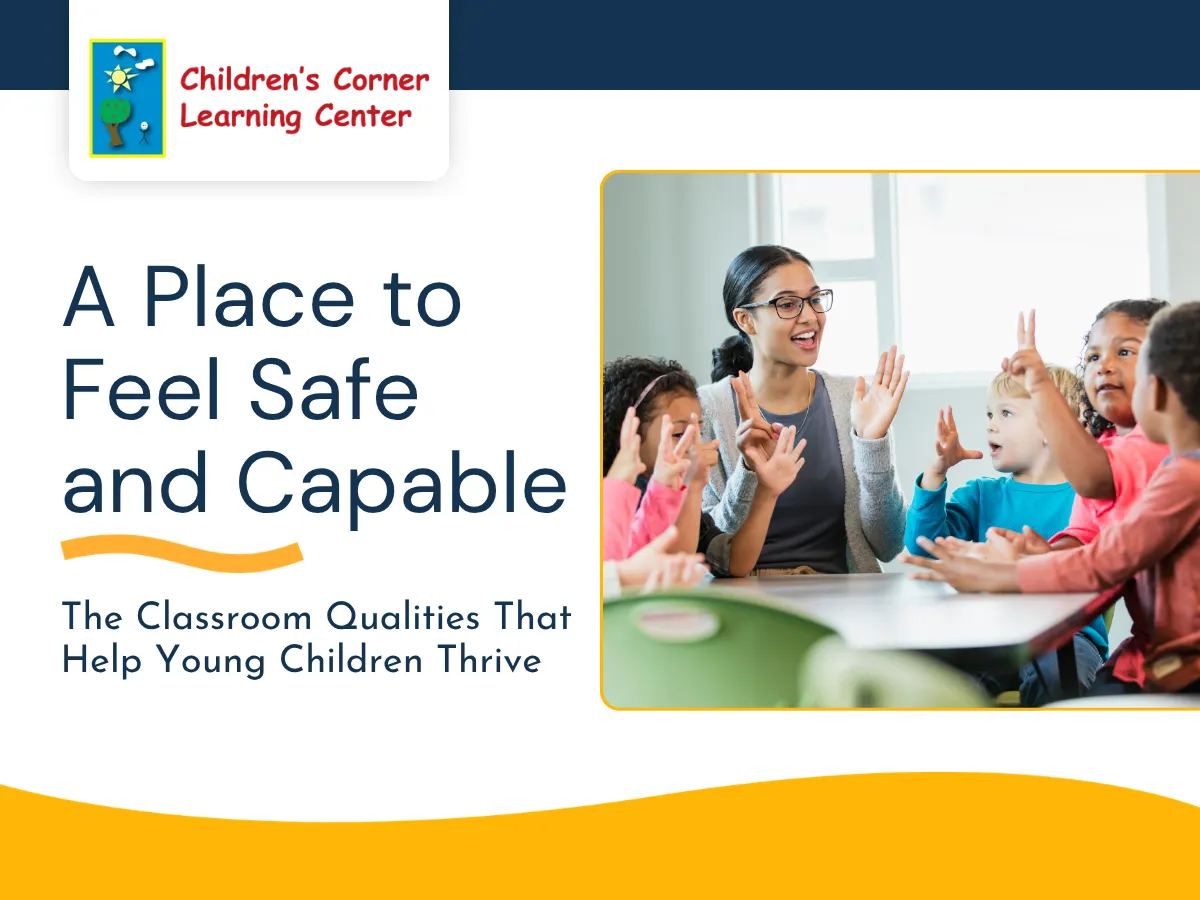
A day care learning environment in Yorktown should help children feel secure, welcomed, and ready to participate. Curriculum matters, but children’s ability to benefit from that curriculum is closely connected to the relationships, routines, materials, and emotional atmosphere surrounding them.
Safe and Predictable Classrooms
Children often feel more confident when the daily schedule follows a clear pattern. Consistent times for arrival, group learning, meals, play, outdoor activity, rest, and departure help them understand what will happen next.
Predictability does not mean that every day must be identical. Teachers can introduce new activities while maintaining familiar routines and expectations. This balance provides emotional security while keeping learning interesting.
A supportive classroom should also include:
- Age-appropriate furniture and materials
- Organized areas for different activities
- Clear supervision procedures
- Secure arrival and dismissal practices
- Clean learning and play spaces
- Accessible materials that encourage independence
Children’s Corner identifies safety, individualized learning, nurturing care, low classroom ratios, flexible schedules, and open communication as important parts of its learning environment.
Warm Relationships With Educators
Children learn more comfortably when they trust the adults caring for them. Attentive teachers notice individual interests, recognize changes in behavior, provide reassurance, and adapt guidance to each child’s developmental needs.
Strong educator-child relationships can help children:
- Participate more confidently
- Ask for assistance when needed
- Recover from frustration
- Explore unfamiliar materials
- Communicate thoughts and emotions
- Develop a sense of belonging
A teacher’s tone, patience, and responsiveness are as important as the activities presented. Warm guidance helps children associate learning with safety, encouragement, and positive relationships.
Opportunities for Choice and Independence
An effective classroom gives children appropriate control over parts of their day. They may choose a learning center, select materials for a project, decide how to represent an idea, or take responsibility for cleaning up their workspace.
These everyday decisions help children develop independence without removing the structure they need. Teachers remain available to provide support while allowing children to complete manageable tasks themselves.
Independence may also be encouraged through routines such as:
- Putting away personal belongings
- Washing hands
- Selecting activity materials
- Serving or clearing snacks when appropriate
- Returning toys to designated areas
- Asking for help clearly
Each responsibility gives children an opportunity to see themselves as capable participants in the classroom community.
How to Compare Day Care Educational Programs in Yorktown
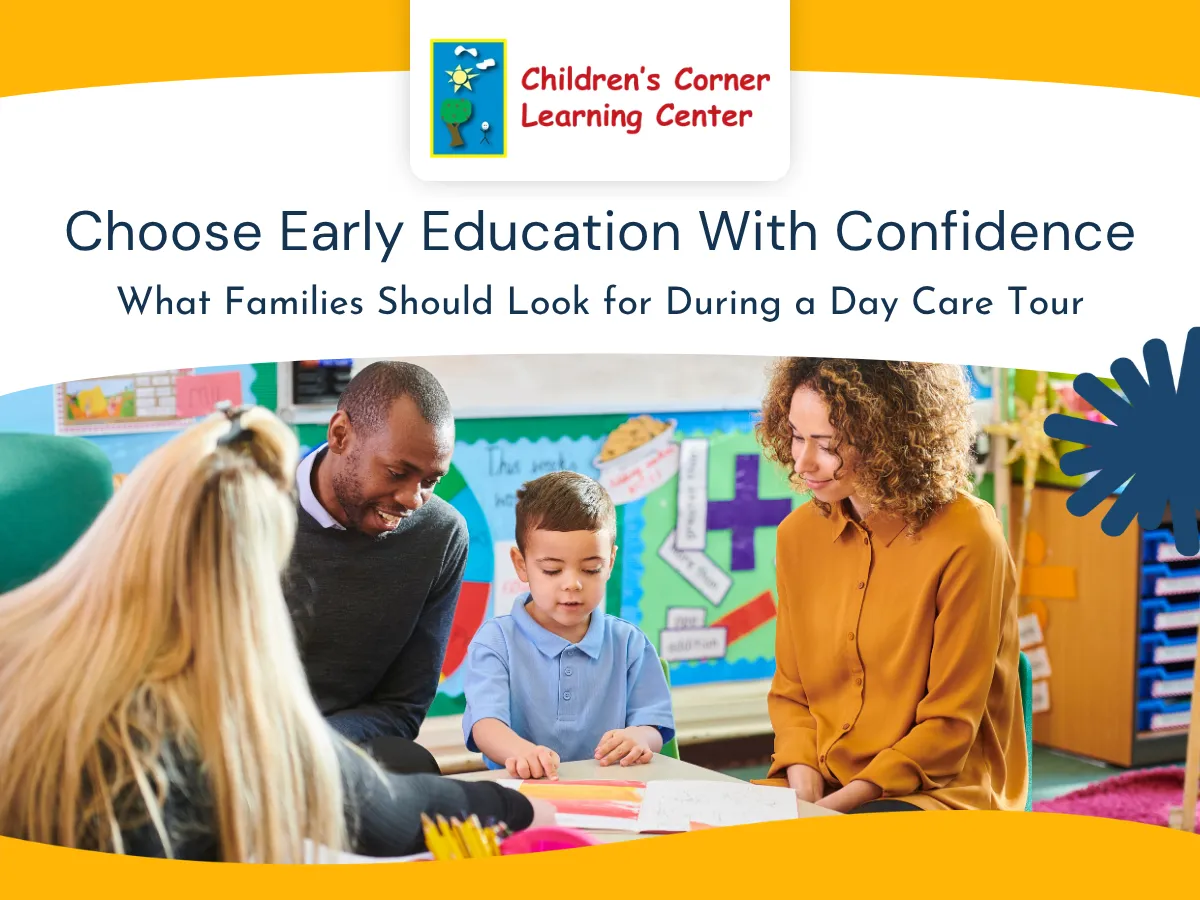
Families comparing day care educational programs in Yorktown should consider how each program’s curriculum, teaching approach, schedule, environment, and communication practices meet their child’s needs.
A program may offer an impressive activity list, but the quality of the everyday experience depends on how educators interact with children and turn those activities into meaningful learning.
Observe How Children Learn
During a tour, look beyond classroom decorations. Notice whether children are actively involved in activities and whether teachers appear attentive and engaged.
Helpful observations include:
- Are children able to make choices?
- Do teachers speak respectfully and calmly?
- Are activities suitable for the children’s ages?
- Is there a balance between active and quiet experiences?
- Do materials encourage exploration and creativity?
- Are children receiving help without having every task completed for them?
- Does the classroom feel organized without being overly rigid?
A strong learning environment should contain evidence of children’s ideas, projects, and interests rather than relying only on adult-created displays.
Ask About Curriculum Planning
Families can ask how teachers select activities and adapt them for children with different abilities or interests. Curriculum planning should be intentional, but it should also remain responsive to the children in the classroom.
Useful questions include:
- Which developmental areas does the curriculum address?
- How are literacy and mathematics introduced?
- How much time is provided for play and movement?
- How do teachers support children who learn at different rates?
- How is progress observed and communicated?
- How does the program prepare children for preschool, pre-K, or kindergarten?
- How are social and emotional skills taught?
Thoughtful answers should explain both what children do and why those experiences matter.
Consider Your Child’s Developmental Stage
The most suitable program will depend on a child’s age, temperament, prior experience, communication abilities, and comfort with group routines. A child who is new to group care may initially require additional reassurance. Another child may be ready for more complex projects and greater independence.
Developmentally appropriate teaching adapts to individual strengths and needs within a shared classroom community. Families should therefore look for educators who value progress rather than expecting every child to develop in the same way.
Conclusion
The right day care educational program can help children become confident learners, thoughtful classmates, and increasingly independent individuals. Purposeful curriculum, engaging activities, caring teachers, movement, creativity, and dependable routines work together to support development across the early years.
Families should look for a program that makes children feel safe while encouraging them to communicate, explore, solve problems, and try new experiences. When education is integrated naturally into play and everyday routines, children can build skills without losing the curiosity and enjoyment that make early learning meaningful.
Discover how Children’s Corner Learning Center can support your child’s growth in Yorktown Heights. Call (800) 933-7757 or book a tour to visit the learning environment and meet the educators.