The best summer camp in Purchase, NY, gives children opportunities to remain active, continue learning, form friendships, and explore new interests during the school break. A thoughtfully planned summer program combines engaging activities with dependable supervision, age-appropriate structure, and enough variety to keep each day meaningful.
At Children’s Corner Learning Center, summer experiences are designed to support discovery, movement, creativity, and social development in a safe and nurturing setting. By understanding what educational camps should provide, families can choose a program that matches their child’s age, interests, developmental needs, and readiness for new experiences.
What a Daycare Summer Camp in Purchase, NY Should Offer
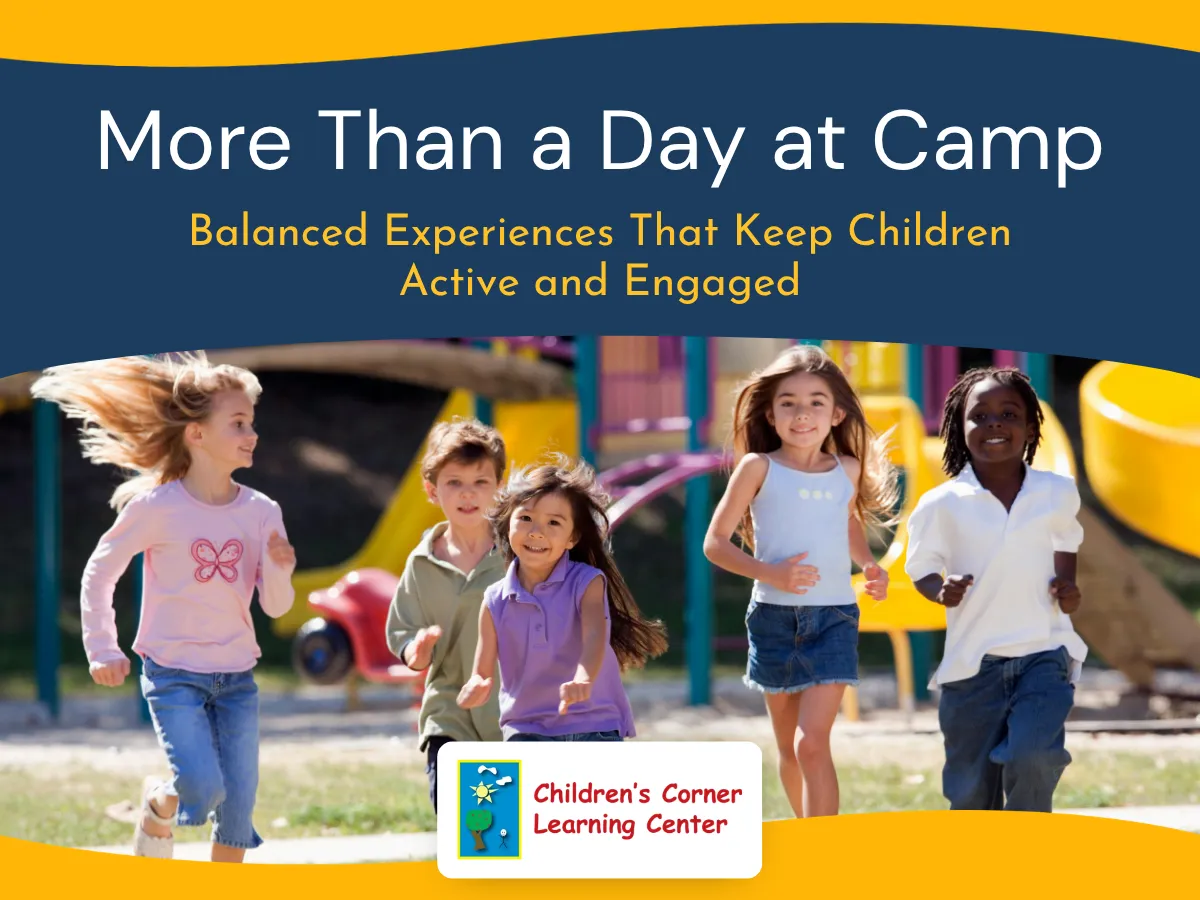
A daycare summer camp in Purchase, NY should provide more than a convenient place for children to spend their days. The strongest programs create a balanced environment where children feel secure, remain engaged, and have opportunities to develop new skills through recreation and guided learning.
Children’s Corner offers a dedicated summer camp program for children ages 5 to 12, with a combination of indoor and outdoor activities, educational experiences, recreation, and field trips. The program is designed to give children a structured setting where they can use their active minds and bodies while building friendships and independence.
A Predictable but Flexible Routine
A consistent daily routine helps children feel comfortable because they understand what to expect. However, summer camp should still feel different from the regular school year. Children need opportunities to make choices, explore their interests, and enjoy activities at a comfortable pace.
A balanced camp day may include:
- Creative art and building projects
- Outdoor games and active play
- Reading and storytelling
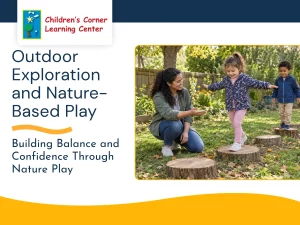
- Science or nature exploration
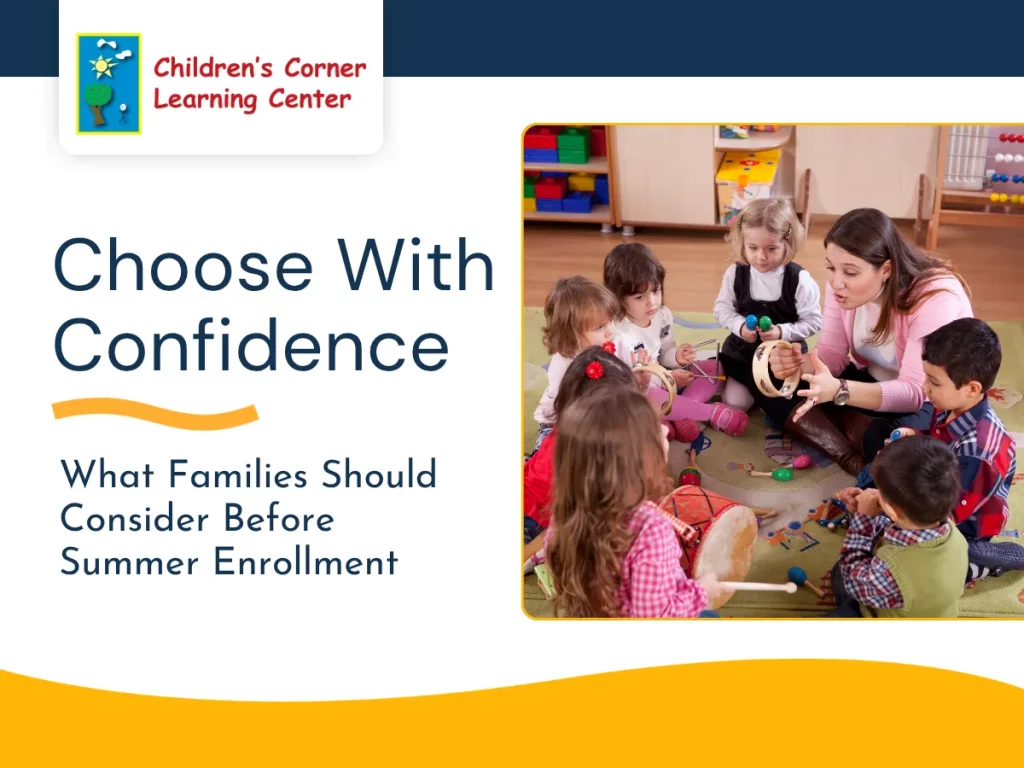
- Music, movement, and dramatic activities
- Small-group challenges
- Time to socialize and relax
This mixture of guided and child-directed experiences can help children remain interested without creating unnecessary academic pressure.
Caring and Attentive Supervision
Qualified staff plays an important role in the quality of a summer camp. Educators and caregivers should supervise carefully, communicate expectations clearly, and help children participate successfully in group activities.
Positive adult guidance also supports children when they encounter disagreements, unfamiliar tasks, or moments of frustration. When children know that trusted adults are available to help, they are often more willing to try new activities and interact with new peers.
How Educational Summer Programs in Purchase, NY Support Growth
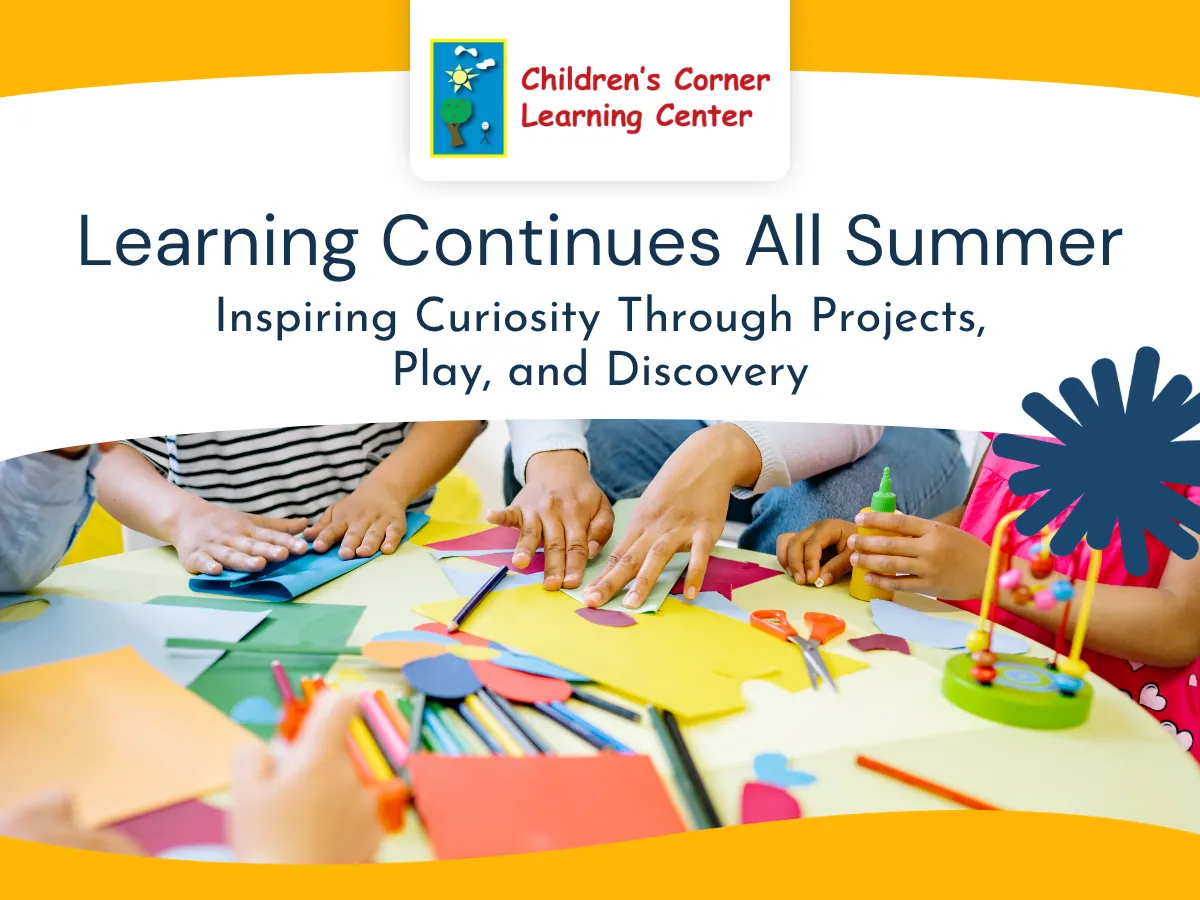
Educational summer programs in Purchase, NY can keep children connected to learning without recreating the structure of a traditional classroom. Summer provides an ideal opportunity to present academic concepts through projects, experiments, games, conversation, and hands-on discovery.
Learning Through Meaningful Activities
Children often learn most effectively when they can actively participate. A nature project may introduce observation and classification. A cooking activity can include counting, measuring, sequencing, and following directions. Building challenges can strengthen planning, spatial awareness, and problem-solving.
The National Association for the Education of Young Children explains that play and learning support one another, particularly when educators intentionally connect developmental goals to children’s activities.
Educational camp experiences may support:
- Early literacy and communication
- Mathematical thinking
- Scientific curiosity
- Creative expression
- Fine motor coordination
- Collaboration and leadership
- Planning and flexible thinking
These skills can be developed through enjoyable activities that encourage children to investigate ideas instead of simply memorizing information.
Encouraging Curiosity
Summer programs give children time to explore topics that may not receive extended attention during the school year. Art, sports, nature, music, technology, and dramatic play can introduce interests that children may wish to continue developing.
Educators can support curiosity by asking open-ended questions, providing interesting materials, and allowing children to test their own ideas. Children learn that one challenge may have several possible solutions and that mistakes can provide useful information.
Strengthening Executive Function Skills
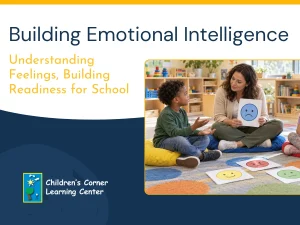
Camp activities frequently require children to remember rules, wait for a turn, adjust a plan, manage materials, or complete a sequence of steps. These experiences can support executive function and self-regulation.
Games and increasingly challenging activities allow children to practice working memory, mental flexibility, planning, and impulse control. Activities should be matched to each child’s abilities so they remain challenging without becoming overwhelming.
Choosing a Summer Camp for Preschoolers in Purchase, NY
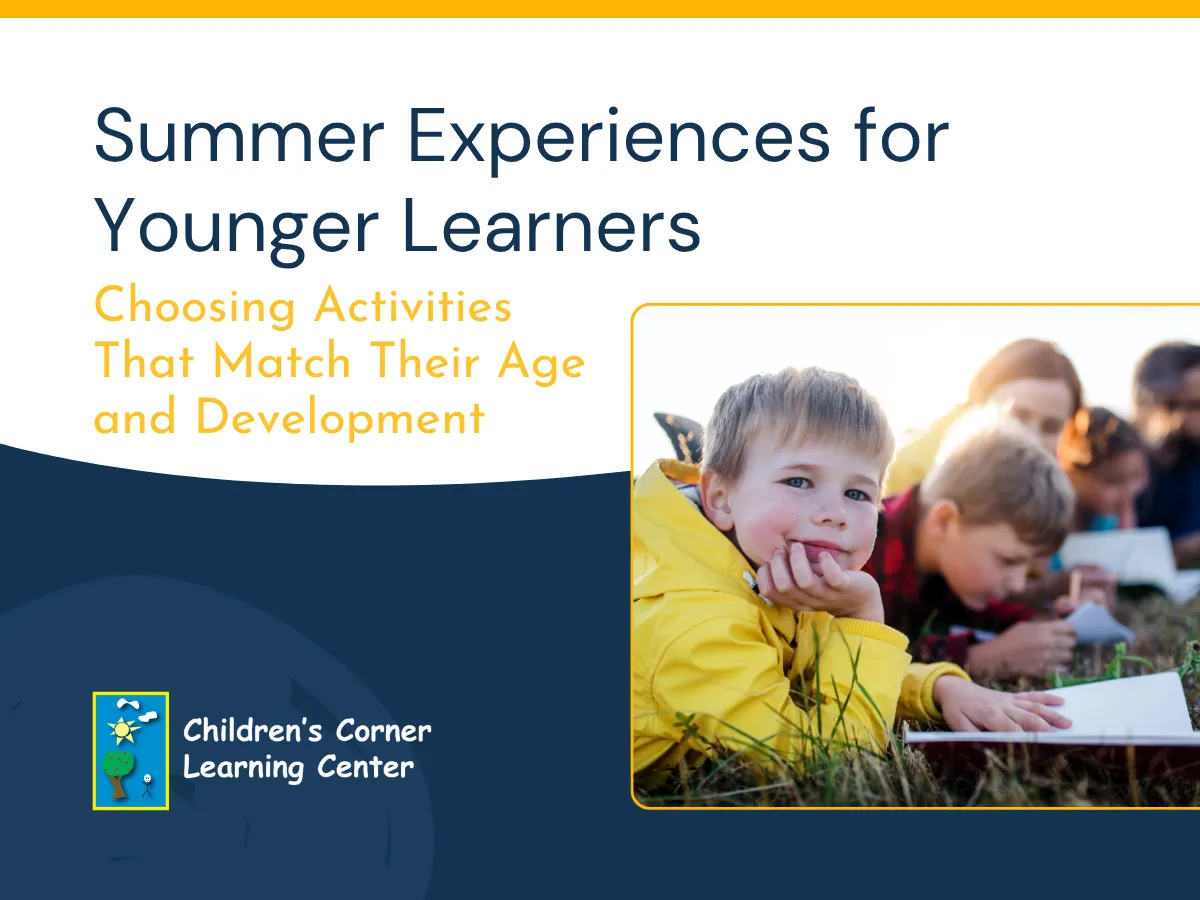
Selecting a summer camp for preschoolers in Purchase, NY requires careful attention to age requirements, developmental appropriateness, routines, supervision, and emotional support. Preschool-age children have different needs from older campers, especially when managing transitions, group expectations, rest, and personal care.
Children’s Corner’s dedicated summer camp currently serves children ages 5 to 12. Its Purchase early learning center separately provides developmentally appropriate programs for children from 6 weeks to 5 years old, using play-based activities tailored to children’s needs and interests. Families should confirm which program is appropriate for their child’s exact age before enrolling.
Developmentally Appropriate Experiences
Preschoolers benefit from shorter activities, familiar routines, and opportunities to learn through movement and play. They may need more support with transitions, emotional regulation, communication, and self-care than older children.
Suitable summer experiences for younger children may include:
- Sensory exploration
- Water and nature play
- Music and movement
- Simple science activities
- Storytelling and dramatic play
- Painting, drawing, and crafting
- Age-appropriate outdoor games
Playful activities can support curiosity, focused attention, persistence, and early problem-solving. NAEYC also recognizes play as an important part of young children’s learning and development.
Emotional Security and Consistency
Young children may need time to become comfortable with a new environment or summer routine. Consistent caregivers, clear schedules, and warm interactions can make this adjustment easier.
Families should ask how educators welcome children, respond to separation concerns, support emotional expression, and communicate with parents. The environment should encourage exploration while providing dependable reassurance when children need help.
Rest, Meals, and Personal Needs
A preschool summer program should account for the entire day, not only planned activities. Younger children may require rest periods, help with meals, bathroom reminders, sunscreen application, or support managing personal belongings.
Families should understand how these needs are handled and whether the daily schedule matches their child’s existing routines. A well-planned program respects the developmental needs of preschoolers while gradually encouraging greater independence.
How to Compare Summer Camp Options in Purchase
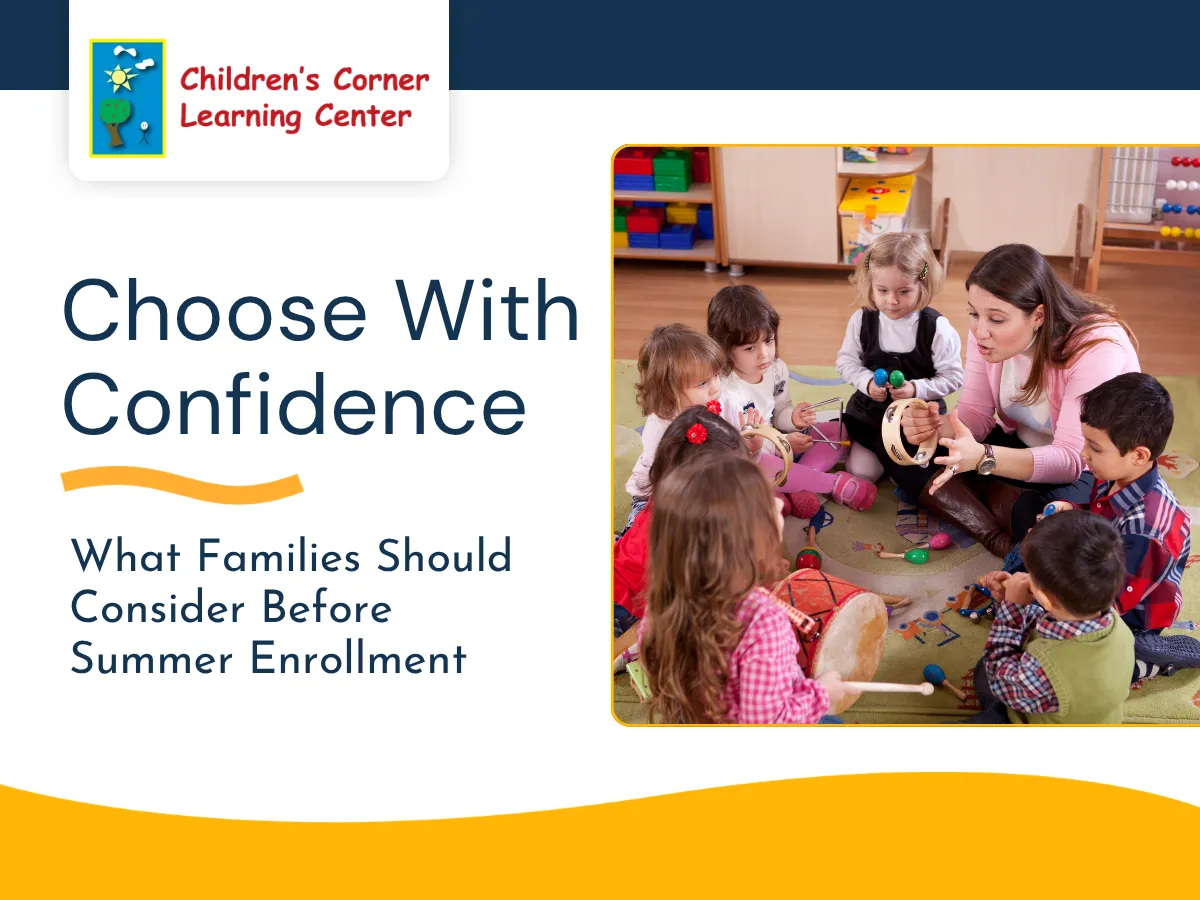
Choosing among summer programs requires families to look beyond activity lists and promotional descriptions. The overall environment, staff approach, safety practices, age groupings, and communication procedures all affect a child’s experience.
Review the Program’s Age Range
Age requirements should be one of the first details families confirm. Some camps are intended for preschoolers, while others are designed for school-age children. Even when a program accepts a broad age range, activities should be adapted for different developmental stages.
Ask how children are grouped and whether activities become more complex for older campers. Appropriate grouping helps ensure that children feel included, capable, and appropriately challenged.
Ask About the Daily Schedule
A sample schedule can reveal whether the camp provides a suitable balance of learning, movement, creative work, meals, rest, and free choice.
Useful questions include:
- How much time is spent outdoors?
- Are activities changed regularly?
- How are children grouped?
- What happens during severe weather?
- Are meals, snacks, and supplies included?
- How are field trips supervised?
- Is quiet time available?
- How does the program support children who need extra guidance?
A clear schedule also helps families prepare children for what their summer days will involve.
Understand Safety Procedures
Families should ask about secure entrances, attendance procedures, authorized pickup policies, emergency plans, staff training, and supervision during outdoor activities or field trips.
Safety should be integrated into the program without limiting children’s ability to explore. A well-managed camp provides clear boundaries and active supervision while still encouraging independence and discovery.
Consider Your Child’s Interests and Temperament
The best program is not necessarily the one with the longest activity list. It is the one that can engage your child while providing the right level of structure and support.
A highly social child may enjoy large-group games and performances. A child who prefers quieter activities may be more comfortable with art, reading, nature, or small-group projects. A varied program gives children several ways to participate and succeed.
Conclusion
A strong summer program combines recreation, learning, movement, creativity, and positive relationships. Children should have opportunities to remain active, discover new interests, and enjoy the season while receiving dependable care and guidance.
The right choice will depend on your child’s age, personality, developmental needs, and readiness for a camp setting. By reviewing age requirements, daily activities, staff qualifications, safety procedures, and communication practices, families can select a program that supports both enjoyment and meaningful growth.
Learn more about summer and early learning opportunities at Children’s Corner Learning Center. Call (800) 933-7757 or book a tour to discuss the program that best matches your child’s age and needs.