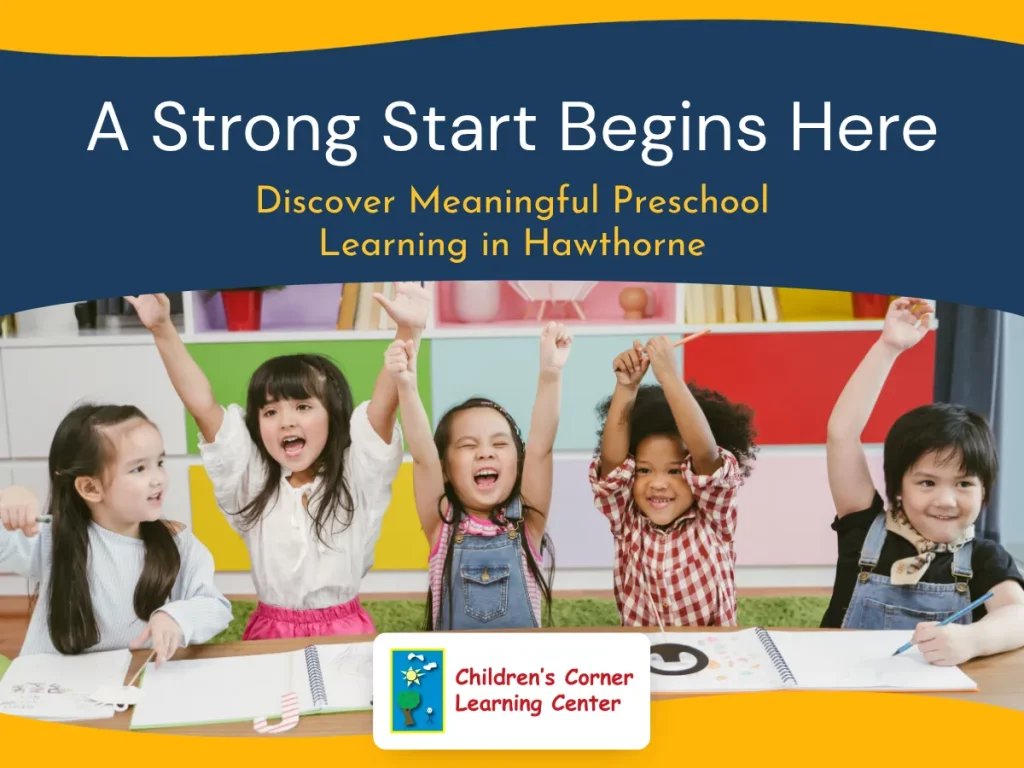
The best preschool programs in Hawthorne provide more than preparation for kindergarten. They create nurturing environments where children can develop confidence, independence, communication skills, and a lasting interest in learning. Through purposeful play, guided exploration, and supportive relationships, preschoolers begin building the social, emotional, cognitive, and physical abilities they will use throughout childhood.
At Children’s Corner Learning Center, early learning experiences are designed to respect each child’s developmental stage while encouraging meaningful progress. Understanding the qualities that shape a strong preschool program can help families choose an environment where their child feels secure, valued, and excited to participate each day.
How Hawthorne Preschool Programs and Philosophies Shape Learning
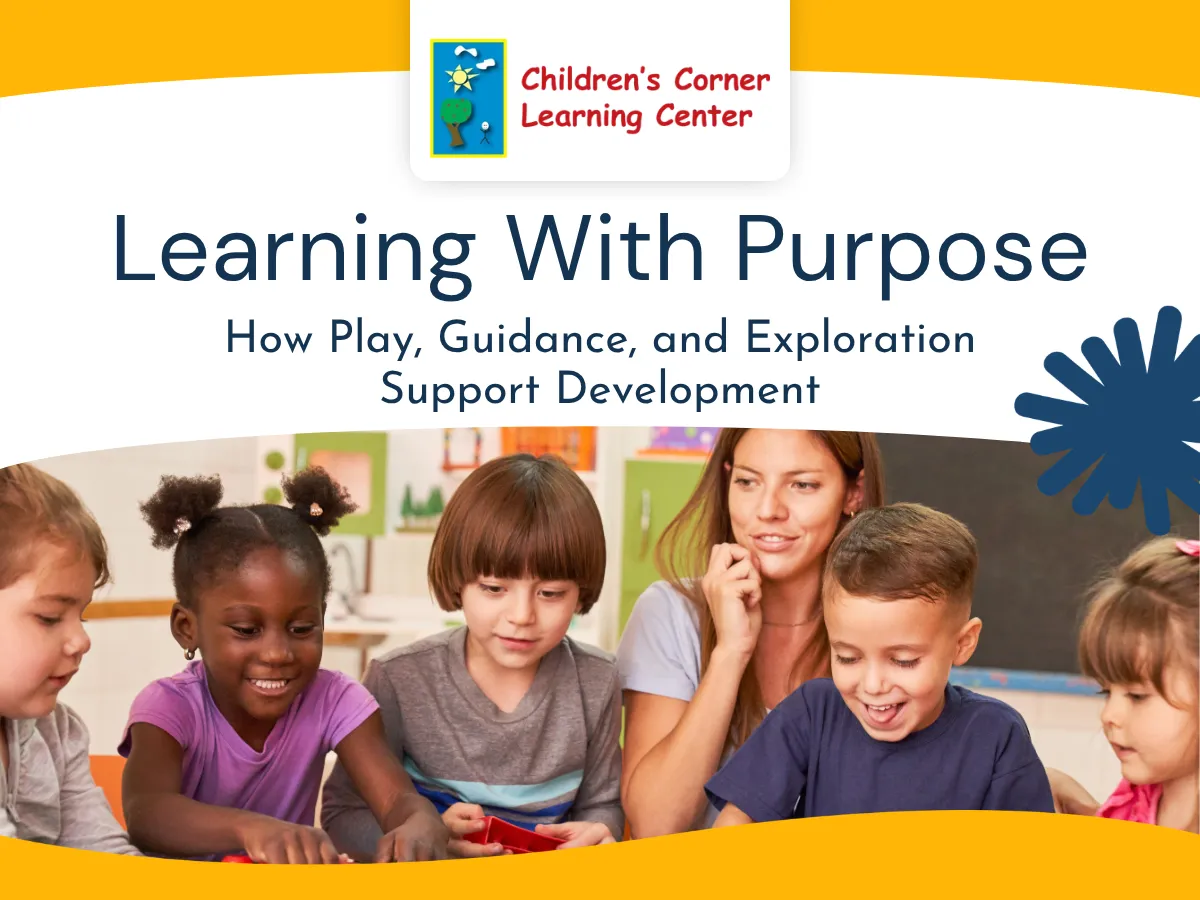
Hawthorne preschool programs and philosophies can differ in how they organize the classroom, introduce academic concepts, and support children’s individual development. However, effective programs generally share one important principle: young children learn best when they are actively involved in meaningful experiences.
A thoughtful preschool philosophy recognizes that learning takes place through play, conversation, movement, creativity, observation, and positive relationships. Rather than expecting children to learn primarily through worksheets or extended instruction, educators create opportunities for them to explore concepts in practical and engaging ways.
Learning Through Purposeful Play
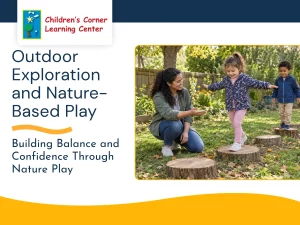
Play gives children the freedom to investigate ideas, practice emerging skills, and make connections between new information and their existing experiences. For example, a pretend grocery store can support counting, communication, cooperation, and early literacy. A building activity may encourage planning, spatial awareness, problem-solving, and persistence.
Purposeful play can help children:
- Develop language through conversation and storytelling
- Strengthen fine and gross motor coordination
- Practice cooperation and turn-taking
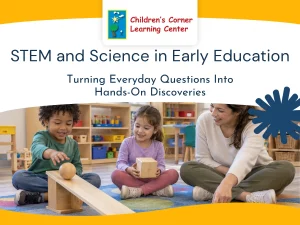
- Explore early mathematics and science concepts
- Express creativity and imagination
- Build confidence when making decisions
Balancing Structure and Exploration
Preschoolers benefit from a dependable routine that helps them understand what to expect. Group activities, meals, outdoor play, rest, and learning centers can provide structure while leaving room for individual choice.
This balance supports independence without removing the guidance children still need. Educators can introduce new concepts, observe children’s interests, and adapt activities to create appropriate levels of challenge.
Supporting Each Child’s Development
No two children develop in the same way. A responsive preschool program recognizes differences in temperament, communication, confidence, and learning pace.
Educators support growth by observing each child, offering encouragement, and providing experiences that build on existing strengths. This individualized attention helps children feel capable and included while preparing them to approach new experiences positively.
What Local Childcare Programs in Hawthorne Should Provide
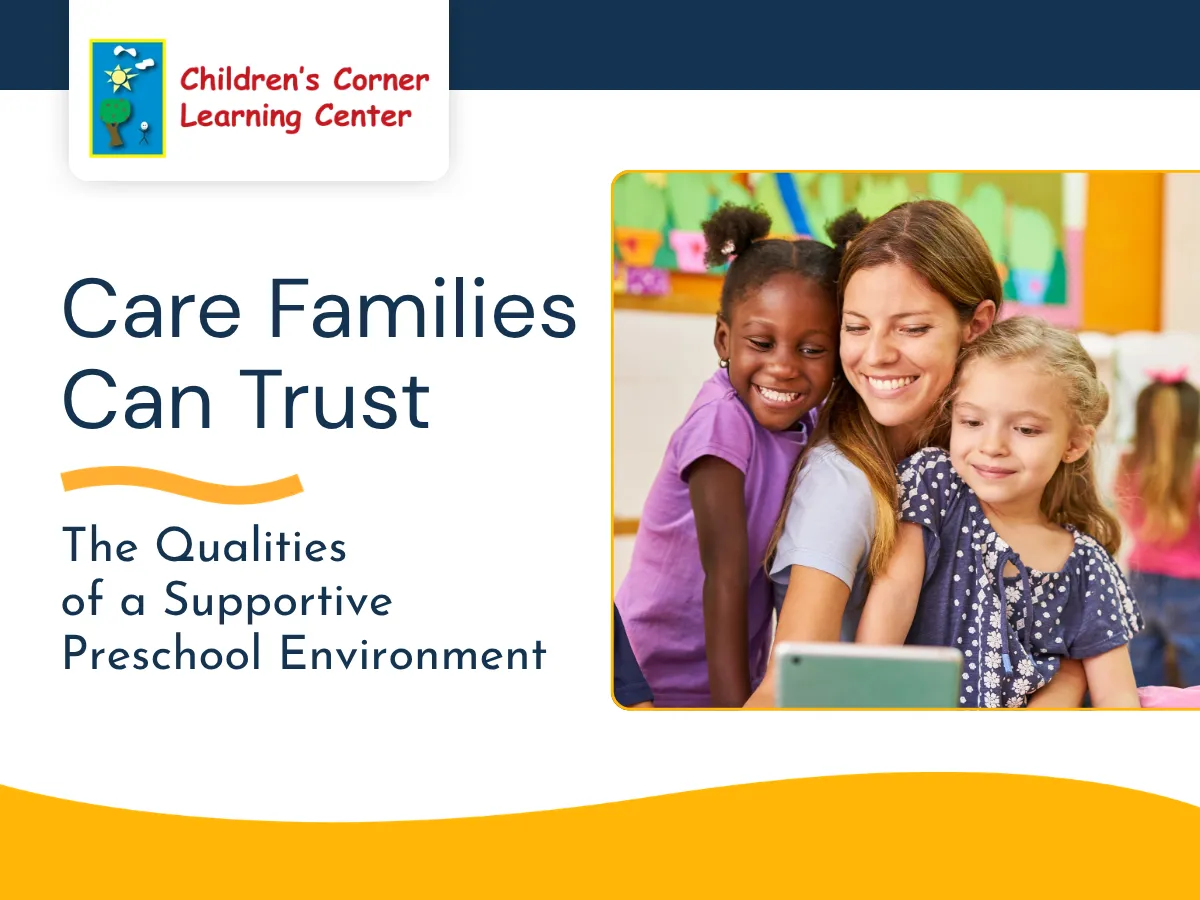
Local childcare programs in Hawthorne should give families confidence that their children are learning and receiving attentive care in a secure, welcoming environment. While curriculum and daily activities are important, the quality of a preschool experience also depends on relationships, routines, communication, and the overall atmosphere of the setting.
A Safe and Nurturing Environment
Children are more prepared to explore and participate when they feel emotionally and physically secure. A nurturing preschool environment includes educators who respond patiently, establish clear expectations, and help children manage unfamiliar situations.
Classrooms should be organized to encourage safe movement, independent access to appropriate materials, and participation in different types of activities. Consistent health, supervision, and safety procedures also help protect children throughout the day.
Positive Relationships With Educators
Strong relationships are central to early childhood development. When educators take time to understand each child’s personality, interests, and needs, they can provide more meaningful support.
Positive educator-child relationships help preschoolers:
- Feel comfortable asking for help
- Communicate their ideas and emotions
- Recover from frustration
- Participate more confidently
- Develop trust in adults outside the family
- Build a stronger sense of belonging
Clear Family Communication
Families should feel informed about their child’s experiences, development, and daily routines. Regular communication helps parents and educators work together when a child reaches a milestone, encounters a challenge, or develops a new interest.
A strong family partnership is based on respect, consistency, and shared goals. Parents should feel comfortable asking questions and sharing information that may help educators provide appropriate care.
A Well-Rounded Daily Experience
Quality preschool programs should support the whole child rather than focusing on one area of development. Daily experiences may include literacy, early mathematics, science, music, art, outdoor activity, dramatic play, and social learning.
This variety allows children to discover their interests while developing a broad foundation of skills in an environment that remains appropriate for early childhood.
How Early Learning Programs in Hawthorne Build School Readiness
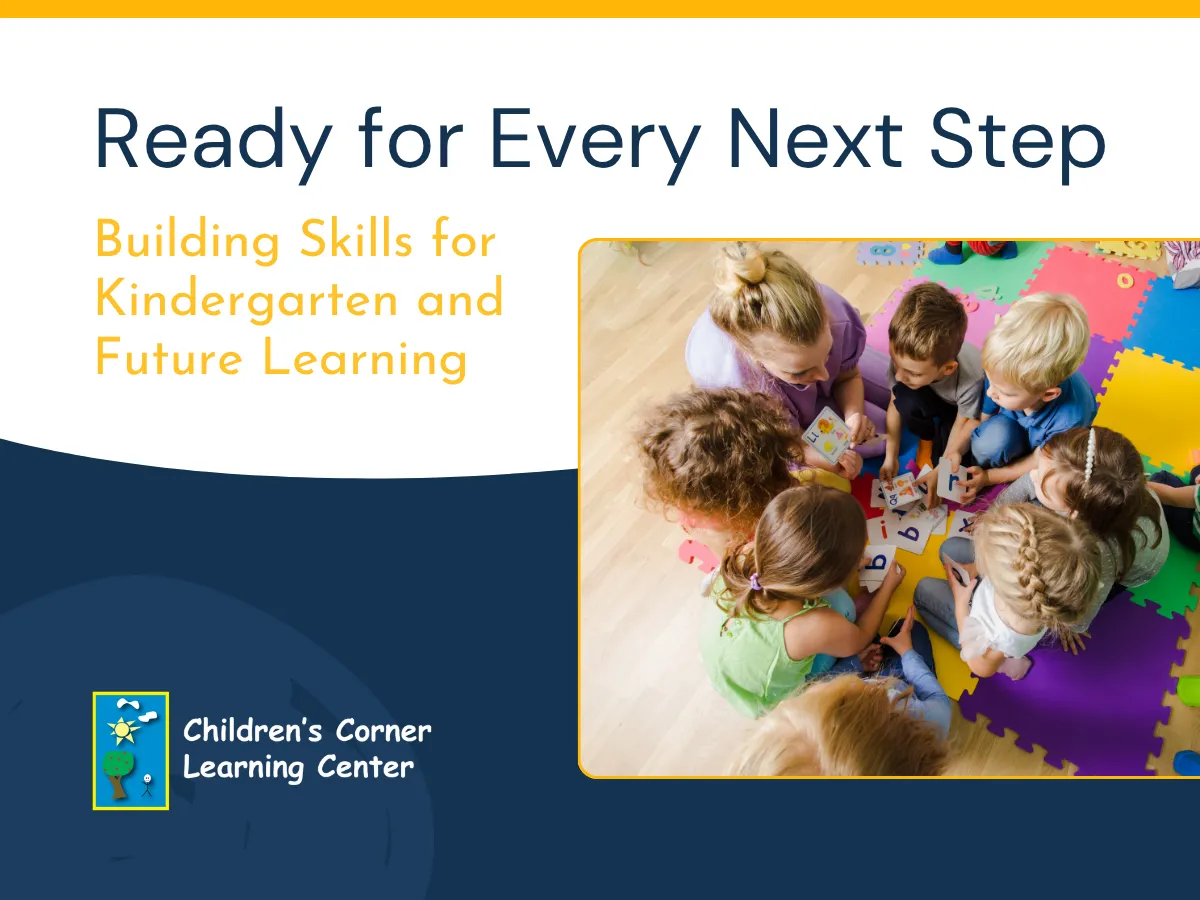
Early learning programs in Hawthorne help prepare children for school by developing the abilities they need to participate successfully in a classroom community. School readiness includes early academic knowledge, but it also involves communication, self-regulation, independence, confidence, and the ability to follow routines.
Strengthening Early Academic Foundations
Preschool introduces literacy and mathematics through activities that feel relevant and engaging. Children may listen to stories, recognize letters, notice patterns, count objects, compare quantities, and explore shapes during everyday classroom experiences.
Science and discovery activities encourage children to observe, predict, question, and describe what they notice. These experiences build knowledge while also strengthening curiosity and critical thinking.
Developing Independence
Children need opportunities to practice completing age-appropriate tasks for themselves. Preschool routines can help them learn to manage personal belongings, choose materials, follow directions, clean up after activities, and move between different parts of the day.
Educators provide guidance while allowing children to take increasing responsibility. This approach helps children understand that independence develops through practice rather than immediate perfection.
Building Social and Emotional Readiness
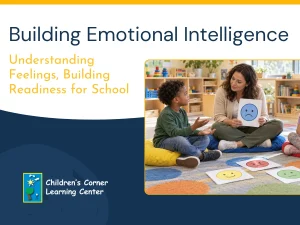
A child’s ability to participate in a group is an important part of kindergarten readiness. Preschoolers learn how to listen to others, wait for a turn, share space and materials, and communicate during disagreements.
Early learning programs can support children as they practice:
- Identifying and expressing emotions
- Listening during group activities
- Following simple classroom expectations
- Adjusting when plans change
- Working cooperatively with peers
- Asking questions and requesting support
- Encouraging a Positive Approach to Learning
School-ready children do not need to know everything before entering kindergarten. They benefit most from believing that they can learn, improve, and try again after encountering difficulty.
Preschool experiences can nurture persistence by giving children manageable challenges and recognizing effort. When children feel supported, they are more willing to participate, experiment, and approach future learning with confidence.
Choosing a Preschool That Fits Your Child and Family
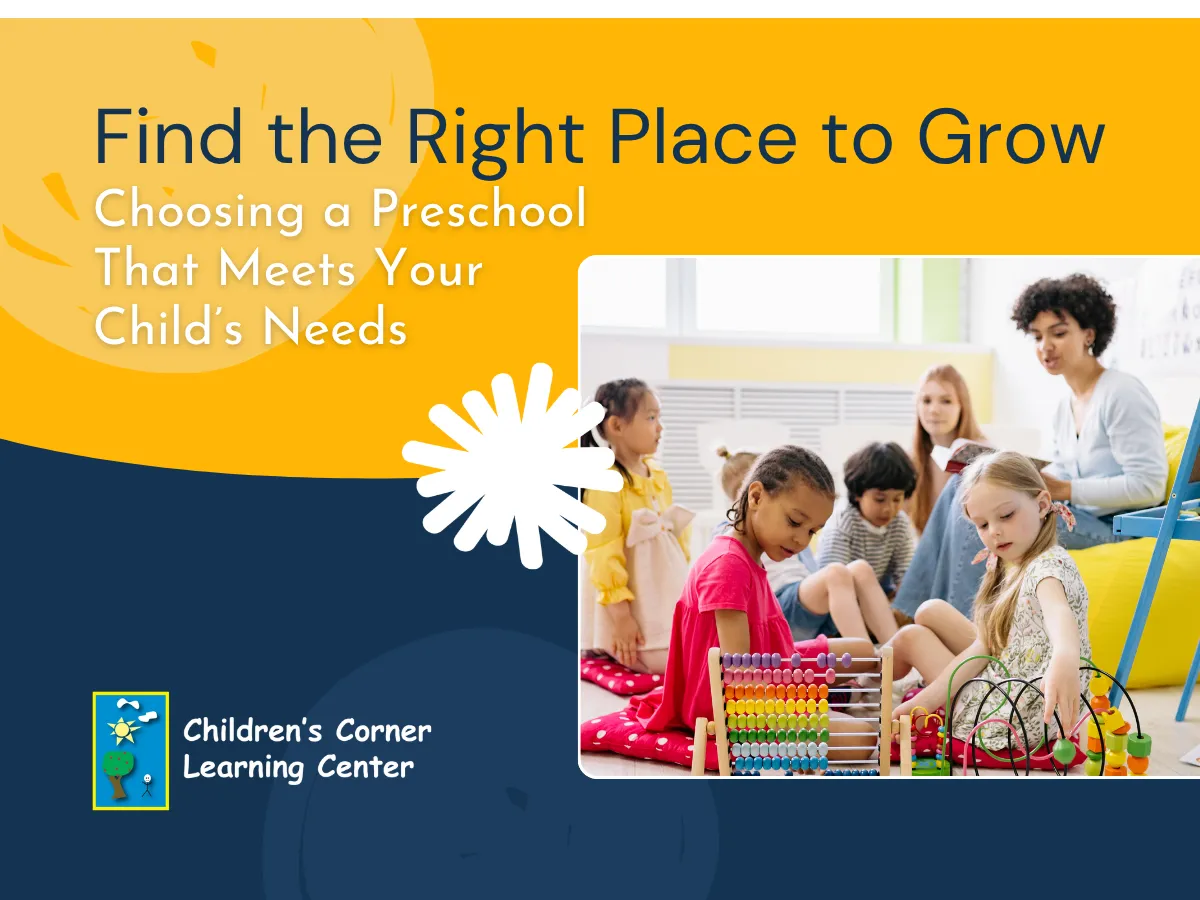
Choosing a preschool involves considering how the program’s environment, schedule, teaching approach, and communication practices align with your child’s needs. A school may offer appealing resources, but families should also consider how children and educators interact throughout the day.
Observe the Classroom Environment
During a preschool visit, notice whether the classroom feels welcoming, organized, and designed for young children. Materials should be accessible, activities should reflect different developmental areas, and children should have opportunities to move, create, talk, and explore.
Look for evidence that children’s work and ideas are valued. A strong preschool environment should feel purposeful without appearing overly rigid.
Consider the Educators’ Approach
Observe how educators speak with children, respond to questions, and provide guidance. Warm, respectful interactions can reveal how the program supports emotional security and positive behavior.
Educators should be actively involved while still allowing children to make choices and attempt tasks independently. They should guide children through challenges rather than immediately solving every problem for them.
Ask Meaningful Questions
Families can gain a clearer understanding of a program by asking questions such as:
- How is the daily schedule organized?
- How are learning activities selected?
- How does the program support different developmental needs?
- How are families updated about their child’s progress?
- How are transitions and challenging emotions handled?
- What opportunities are provided for outdoor and active play?
The answers should help families understand not only what children do each day, but also why those experiences are included.
Think Beyond Immediate Convenience
Location and scheduling are important, but the preschool years are also a significant period of development. The right program should provide dependable care while supporting your child’s confidence, curiosity, relationships, and growing independence.
A preschool that values both learning and emotional well-being can help children feel comfortable taking the next steps in their educational journey.
Conclusion
A meaningful preschool experience gives children time to explore, build relationships, practice independence, and develop skills that support future learning. The strongest programs combine attentive care with purposeful activities, consistent routines, and positive guidance.
At Children’s Corner Learning Center, children are encouraged to grow through engaging experiences that support their individual development. By choosing a preschool environment that values curiosity, communication, creativity, and emotional security, families can give their children a strong foundation for kindergarten and beyond.
Discover how Children’s Corner Learning Center can support your child’s early learning journey. Call (800) 933-7757 or schedule a visit at https://childrenscornergroup.com/book-a-tour/.