Finding the best daycare centers in Harrison is one of the most important decisions parents can make for their child’s early growth, confidence, and well-being. The right daycare should offer more than supervision. It should provide a safe, nurturing setting where children feel supported, encouraged, and excited to learn each day.
From experienced caregivers and age-appropriate curriculum to healthy routines and strong family communication, quality daycare helps build a foundation for lifelong development. For families in Harrison, choosing a trusted center means finding a place where children can thrive socially, emotionally, and academically.
 Safety should always be a top priority. A dependable child care facility should have secure entry procedures, clean classrooms, age-appropriate play areas, and attentive supervision throughout the day. Just as important, children should feel emotionally safe. Warm teachers, predictable routines, and gentle guidance help children settle in and feel comfortable away from home.
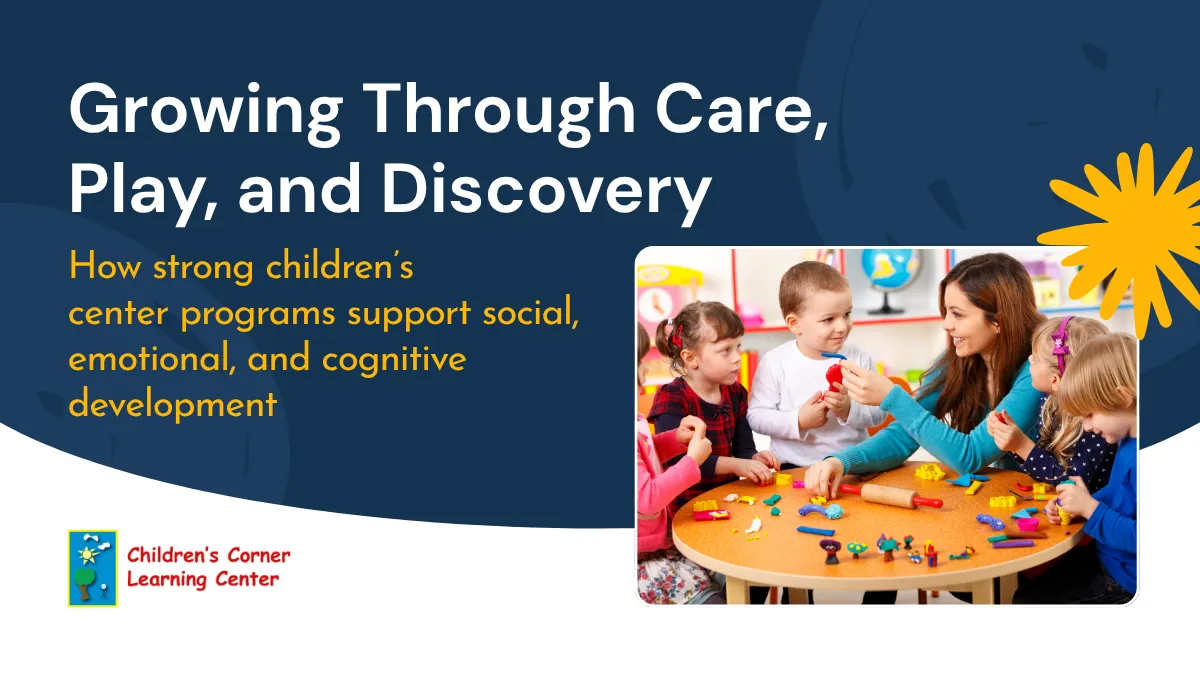 Children’s center programs in Harrison play an important role in helping young children grow through structured care, meaningful play, and positive social interaction. During the early years, children learn best in environments that feel safe, consistent, and engaging. A strong program supports the whole child, including emotional, social, physical, and cognitive development.
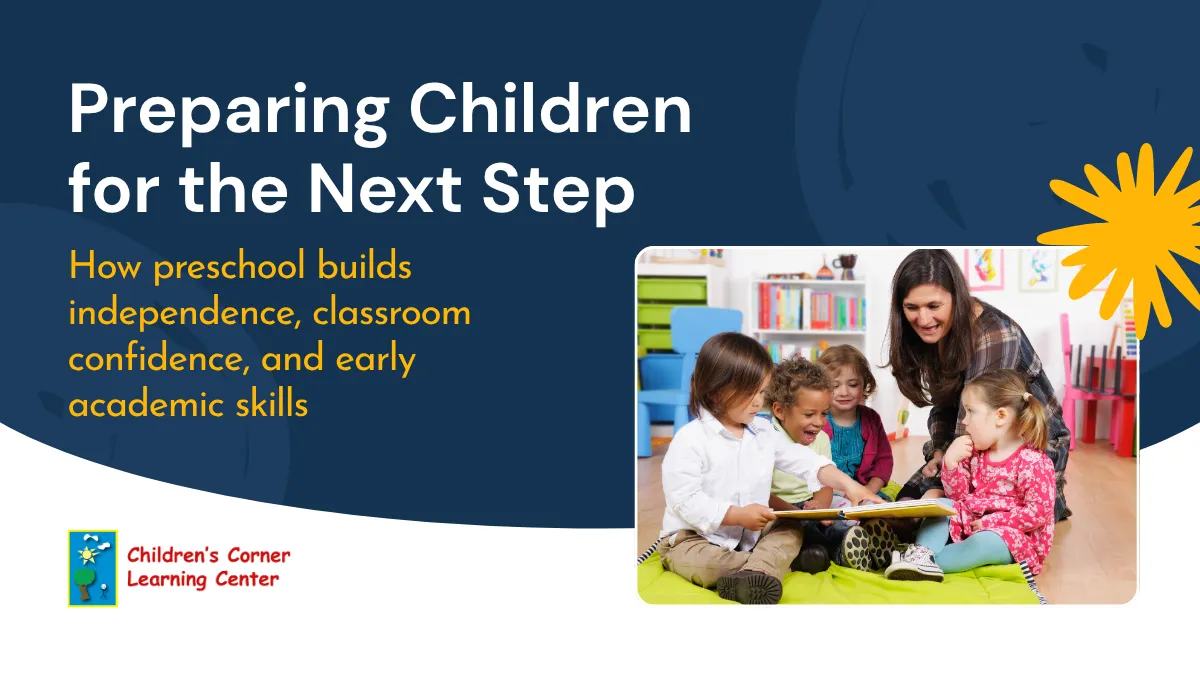 Preschool programs in Harrison help children prepare for kindergarten by building the skills they need to succeed in the classroom. School readiness is not only about knowing letters, numbers, or colors. It also includes confidence, independence, communication, problem-solving, and the ability to participate in a group.
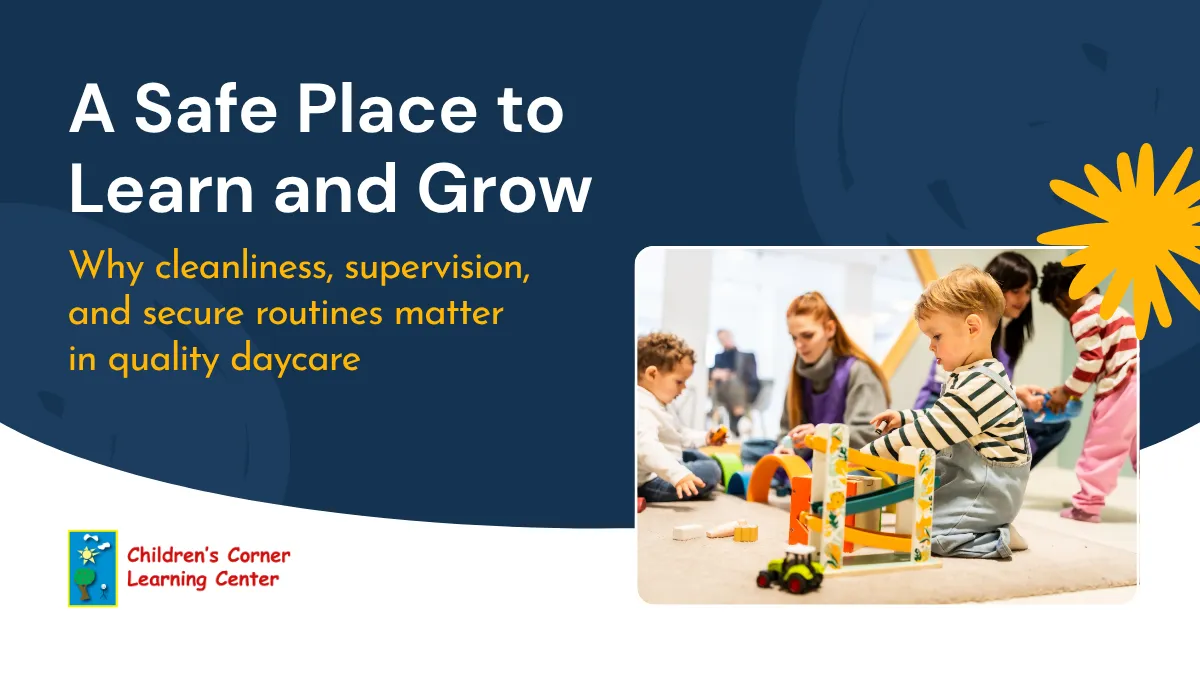 Safety, cleanliness, and daily supervision are essential parts of a trusted daycare experience. Parents should feel confident that their child is spending each day in an environment that is carefully maintained, well supervised, and designed with young children’s needs in mind.
What to Look for in Child Care Facilities in Harrison
Choosing the right child care facility begins with understanding what makes a center safe, supportive, and enriching for young children. Families in Harrison should look for an environment where children are cared for with patience, respect, and consistency, and encouraged to explore, learn, and build confidence.A Safe and Nurturing Environment
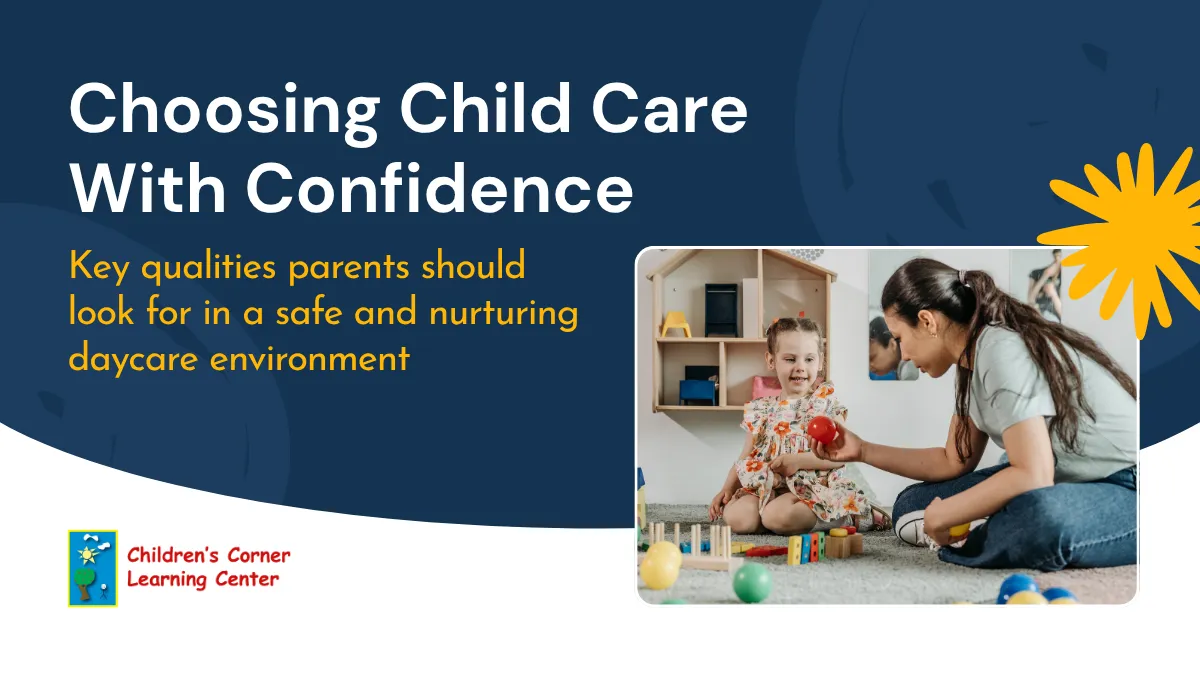
Safety should always be a top priority. A dependable child care facility should have secure entry procedures, clean classrooms, age-appropriate play areas, and attentive supervision throughout the day. Just as important, children should feel emotionally safe. Warm teachers, predictable routines, and gentle guidance help children settle in and feel comfortable away from home.
Qualified and Caring Teachers
The people caring for your child shape much of their daily experience. Look for teachers who are experienced, responsive, and genuinely engaged with the children. Strong caregivers understand that every child develops at their own pace and should be ready to provide encouragement, comfort, and positive direction when needed.Age-Appropriate Learning Opportunities
Quality child care facilities in Harrison should offer more than basic care. The daily schedule should include activities that support early learning, creativity, movement, language development, and social interaction. For example, a well-rounded day may include:- Story time and early literacy activities
- Music, art, and sensory play
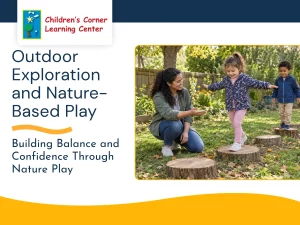
- Outdoor play and gross motor development
- Group activities that encourage sharing and cooperation
- Quiet time for rest and emotional regulation
Clear Communication With Families
Parents should feel informed and included. A strong child care center communicates clearly about daily routines, milestones, classroom updates, and any concerns that may arise. This partnership helps families feel assured that their child is supported both at home and in care. When evaluating child care facilities in Harrison, the best choice is one that balances safety, learning, compassion, and trust.How Children’s Center Programs in Harrison Support Early Development
Children’s center programs in Harrison play an important role in helping young children grow through structured care, meaningful play, and positive social interaction. During the early years, children learn best in environments that feel safe, consistent, and engaging. A strong program supports the whole child, including emotional, social, physical, and cognitive development.
Learning Through Daily Routines
Predictable routines help children feel safe and confident. When children know what to expect, they can participate more comfortably in classroom activities, meals, rest time, and transitions. These daily rhythms also help build independence, patience, and responsibility.Supporting Social and Emotional Growth
Early childhood programs give children regular opportunities to interact with peers and caring adults. Through group play, guided activities, and classroom conversations, children begin learning how to:- Share materials and take turns
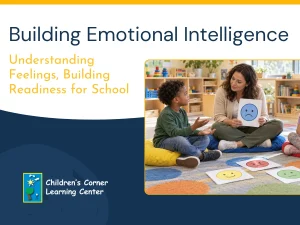
- Express feelings in healthy ways
- Listen to teachers and classmates
- Build friendships
- Solve small conflicts with support
Encouraging Curiosity and Early Learning
A quality children’s center should provide hands-on activities that encourage children to ask questions, explore ideas, and develop new skills. Art, music, story time, sensory play, outdoor movement, and early math activities all help children learn in natural, age-appropriate ways. The best programs understand that every child develops at their own pace. With patient guidance and thoughtful classroom planning, children can develop a strong foundation for future learning while feeling valued and supported each day.Why Preschool Programs in Harrison Matter for School Readiness
Preschool programs in Harrison help children prepare for kindergarten by building the skills they need to succeed in the classroom. School readiness is not only about knowing letters, numbers, or colors. It also includes confidence, independence, communication, problem-solving, and the ability to participate in a group.
Building Early Academic Skills
A well-rounded preschool program introduces children to early literacy, math, science, and creative thinking through engaging activities. Children may practice recognizing letters, listening to stories, counting objects, identifying patterns, and exploring the world around them. These lessons are most effective when they are playful, hands-on, and developmentally appropriate.Developing Classroom Confidence
Preschool helps children become familiar with the structure of a school day. They learn how to follow routines, listen during group time, complete simple tasks, and transition between activities. These small daily experiences can make the move to kindergarten feel more comfortable and less overwhelming.Strengthening Independence
Children also begin practicing important self-help skills, such as:- Cleaning up after activities
- Washing hands before meals
- Managing personal belongings
- Making choices during play
- Asking for help when needed
Encouraging Communication and Cooperation
In preschool, children learn how to express their thoughts, listen to others, and work as part of a group. They practice patience, empathy, and cooperation in a supportive setting. For families, choosing a strong preschool program means giving children the opportunity to grow academically, socially, and emotionally before entering kindergarten.Safety, Cleanliness, and Daily Supervision Standards
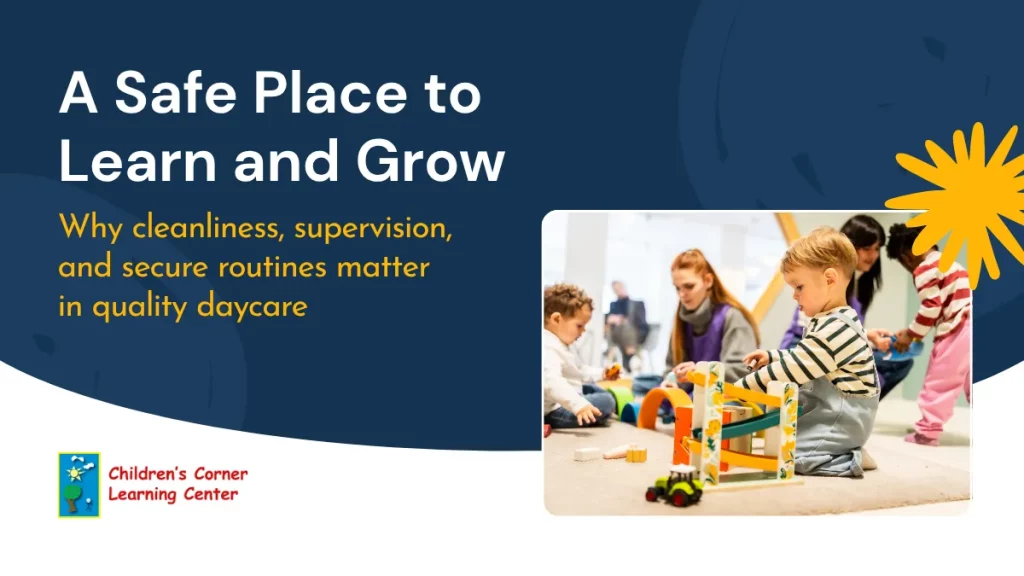
Safety, cleanliness, and daily supervision are essential parts of a trusted daycare experience. Parents should feel confident that their child is spending each day in an environment that is carefully maintained, well supervised, and designed with young children’s needs in mind.
Secure and Child-Friendly Spaces
A dependable daycare center should have safety procedures in place to protect children from the moment they arrive. This may include secure entrances, clear pickup policies, safe classroom layouts, and age-appropriate furniture and materials. Outdoor play areas should also be well-maintained, properly enclosed, and suitable for the children using them.Clean Classrooms and Healthy Habits
Cleanliness helps support the health and comfort of every child. Classrooms, toys, rest areas, bathrooms, and meal spaces should be cleaned regularly. Children should also be encouraged to practice healthy habits throughout the day, including handwashing before meals, after bathroom breaks, and after outdoor play. Important cleanliness practices may include:- Sanitizing shared toys and surfaces
- Keeping food preparation areas clean
- Following diapering and toileting procedures
- Managing illness policies clearly
- Maintaining fresh, organized classrooms