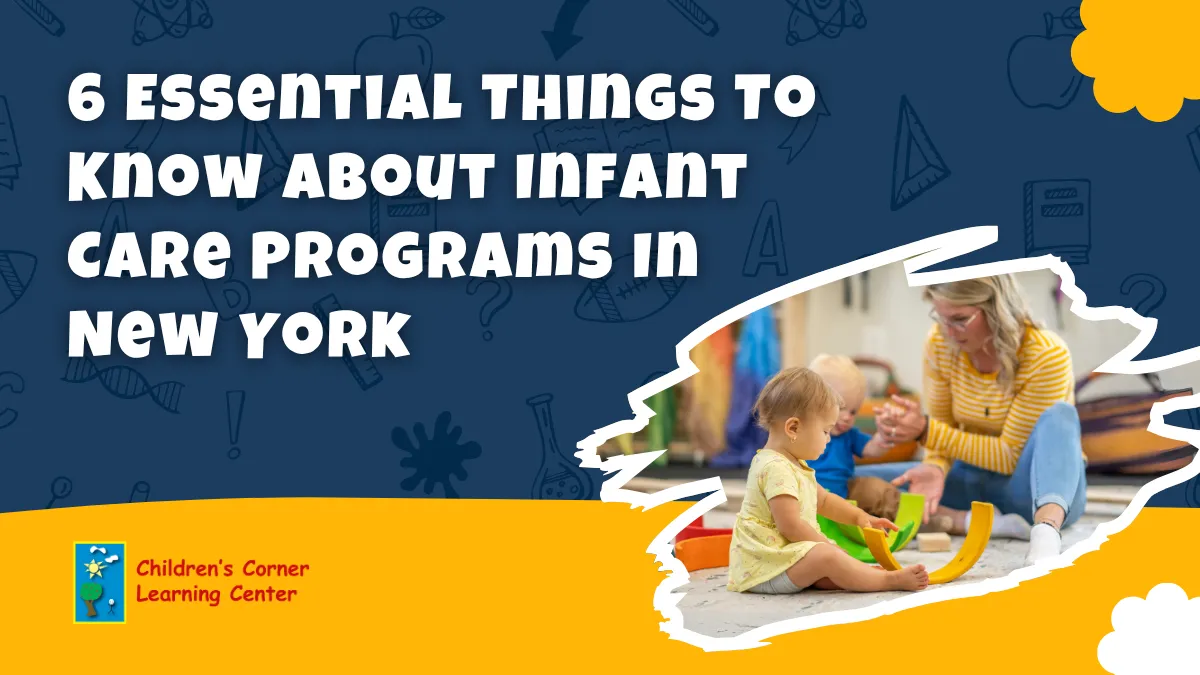
Choosing the right infant care programs in New York is a foundational decision for families seeking a safe, nurturing environment during a child’s earliest developmental stages. High-quality programs are designed to meet infants’ emotional, physical, and cognitive needs through individualized attention and responsive caregiving. Parents should expect structured routines, qualified staff, and a clean, secure setting that supports growth in a calm and predictable atmosphere. Understanding what defines a quality infant care program can help families make choices that align with their values and expectations. From staff-to-child ratios to daily engagement practices, each element is critical in fostering trust and …
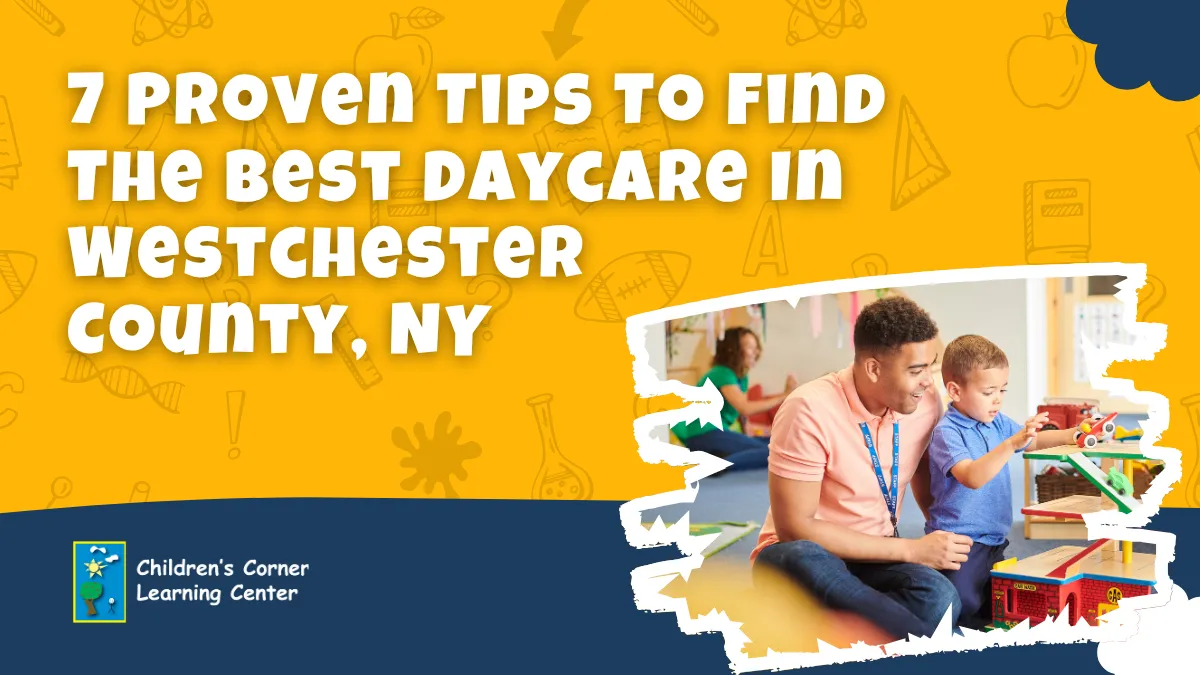
Finding a reliable daycare in Westchester County NY, is a critical decision for families seeking a nurturing and educational environment for their children. With numerous options available, it is essential to identify a center that aligns with your child’s developmental needs and your family’s values. A high-quality daycare should provide a structured curriculum, a safe and stimulating setting, and experienced educators who foster early learning. Parents are encouraged to evaluate a center’s philosophy, safety protocols, and reputation within the community. Whether looking for infant care, toddler programs, or pre-kindergarten preparation, understanding what to prioritize can simplify selection. The following tips …
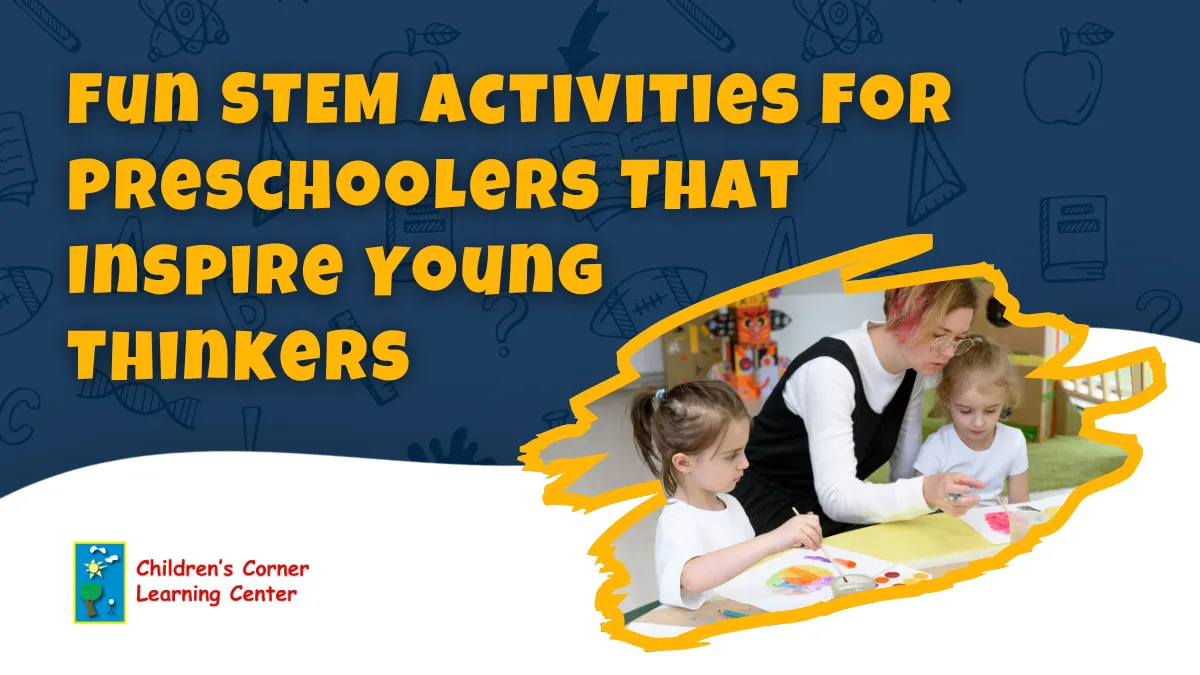
STEM activities for preschoolers provide meaningful opportunities to introduce early science, technology, engineering, and math concepts through play-based learning. These activities encourage exploration, problem-solving, and hands-on discovery, helping young children build foundational skills in a developmentally appropriate way. By integrating STEM into daily routines, educators support cognitive growth while fostering curiosity and confidence in the classroom. Whether children are building structures, observing nature, or experimenting with simple materials, each experience lays the groundwork for critical thinking and creativity. Early exposure to STEM supports academic readiness and inspires a love for learning. With thoughtful guidance and engaging tasks, STEM activities become …
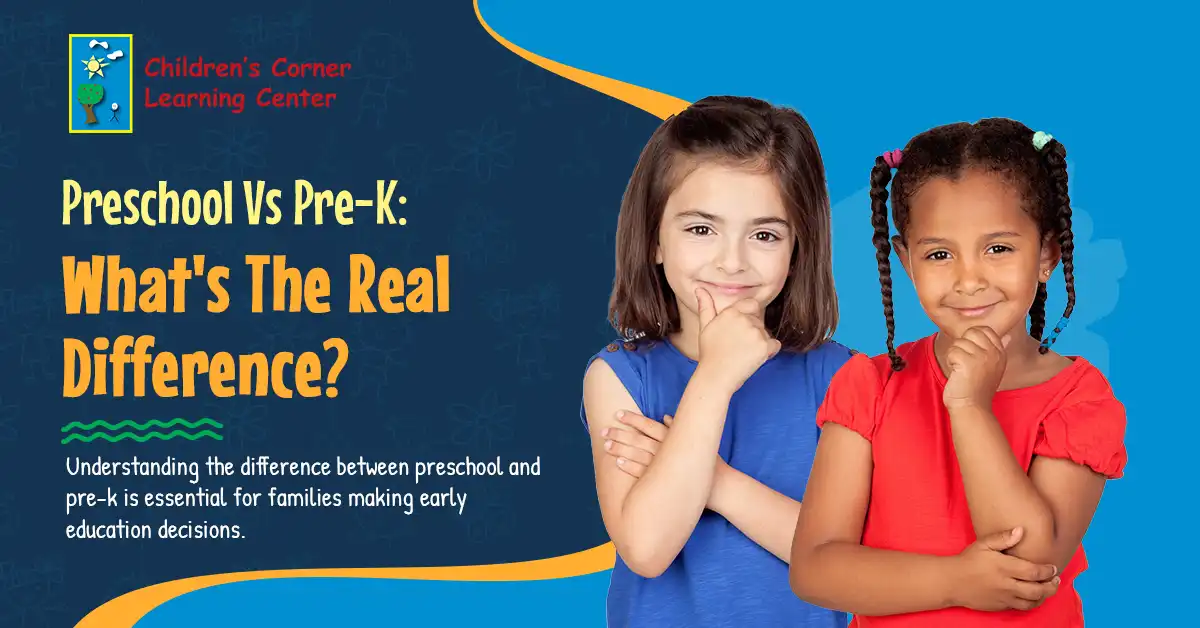
Understanding the difference between preschool vs PreK is essential for families choosing the right early education path. While both programs build strong foundations in learning and social development, they serve children at slightly different stages of growth and readiness. Preschool is designed for younger children—usually ages 2½ to 4—focusing on social skills, play-based learning, and early routines in a nurturing environment. PreK, on the other hand, prepares 4- and 5-year-olds for kindergarten with more structured lessons that strengthen literacy, math, and problem-solving skills. Understanding these distinctions helps parents decide which program best supports their child’s readiness and confidence for the …
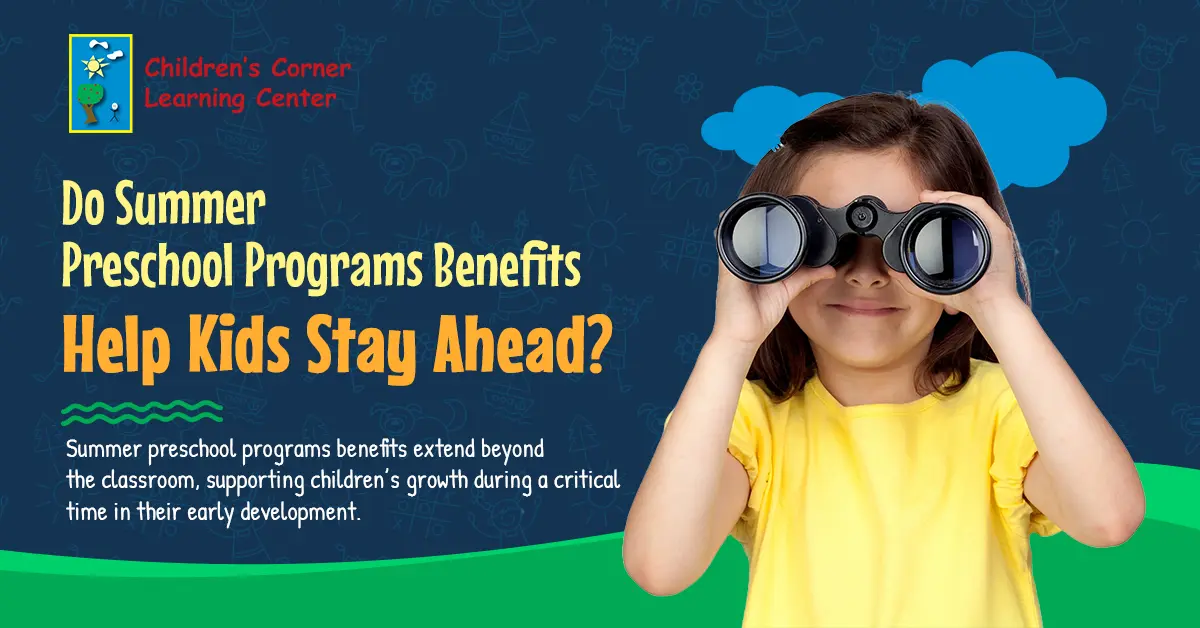
Summer preschool programs benefits extend beyond the classroom, supporting children’s growth during a critical time in their early development. These programs offer structured learning opportunities that help maintain academic progress, promote social interaction, and reinforce routines that can otherwise be lost over the summer months. For young children, consistency is essential, and summer programs provide a balanced environment. Participation also eases the transition into the next school year by keeping children engaged, curious, and connected. With a focus on play-based learning and age-appropriate activities, summer preschool programs ensure that development continues without interruption. Families seeking to support their child’s learning …
Science activities for toddlers provide valuable opportunities to encourage early learning and discovery through hands-on exploration. Children develop critical thinking skills and a fundamental understanding of the world at a young age by observing cause and effect in everyday experiences. Simple, age-appropriate science activities foster natural curiosity and promote sensory development, language growth, and cognitive progress. These activities can be implemented in structured learning environments and at home, helping toddlers gain confidence as they explore new ideas. Educators and caregivers support children’s development by incorporating science into daily routines, making learning engaging and meaningful. The following list of easy science …
Early childhood education continues to play a vital role in shaping the developmental path of young learners. In 2025, early childhood education is more focused than ever on whole-child development, integrating academic readiness with social, emotional, and physical growth. High-quality programs provide safe, nurturing environments where children are guided through intentional learning experiences that foster curiosity, independence, and foundational skills. As research evolves and educational standards adapt, families and educators benefit from staying informed about the latest developments in the field. Whether you are exploring options for your child or supporting young learners in the classroom, understanding current trends and …
What do you learn in early childhood education? This critical stage of development is where children acquire the foundational skills that shape their future learning, behavior, and relationships. Early childhood education builds language, motor skills, social interaction, and emotional understanding competencies through structured play, guided instruction, and nurturing support. These early experiences prepare children for academic success and foster independence, confidence, and a lifelong curiosity for learning. High-quality early learning programs are designed to meet the whole child’s needs—supporting growth across multiple domains in a secure and engaging environment. Understanding What Do Pre K Learn in Early Education Settings …
Finding the Best Nursery School Near Me for Your Child's Care10 Essential Tips for Choosing the Right Types of Learning Centers for Preschool
Types of learning centers for preschool play a key role in supporting children’s development across multiple domains—including cognitive, social, emotional, and physical growth. These structured classroom areas provide purposeful play, exploration, and skill-building opportunities, helping young learners thrive in a nurturing and engaging environment. Identifying and evaluating the right learning centers becomes essential as families seek high-quality early childhood education. Each center should have clear developmental goals, age-appropriate materials, and independent and guided learning opportunities. With so many variations available, it’s essential to know what to look for to ensure the environment supports the needs of all children. 1. Understand …
An early learning and development center plays a critical role in shaping a child’s growth—academically, socially, and emotionally. Quality early childhood education is more than just preparation for kindergarten; it fosters a lifelong love of learning and builds children’s essential skills for future success. As research highlights the importance of these early years, educators and families seek effective methods to support young learners. Implementing evidence-based strategies ensures children receive the guidance, care, and structure necessary to thrive. These practices have a lasting impact through intentional curriculum design, individualized learning plans, or nurturing classroom environments. 1. Implementing High-Quality Early Education Strategies …