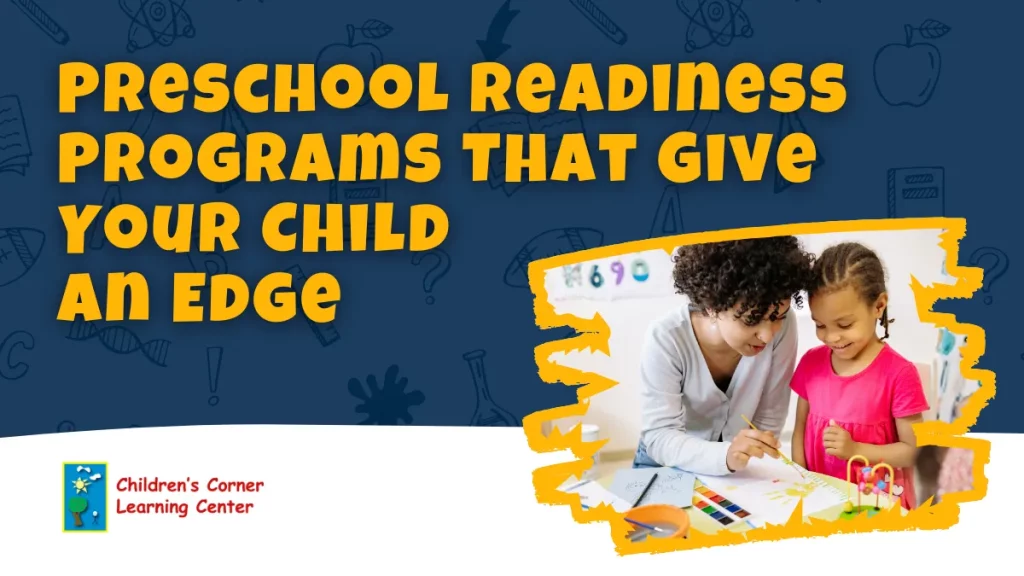
Preschool readiness programs near me help children build the skills they need to transition into a structured classroom with confidence. A strong readiness program supports early learning through routines, social development, communication practice, and age-appropriate academic foundations. Children learn how to follow directions, take part in group activities, and manage transitions throughout the day.
These experiences also strengthen independence, problem-solving, and emotional regulation, which are essential for success in preschool and beyond. When families choose the right program, they gain peace of mind knowing trained educators support their child in a nurturing environment that prepares them for the next stage of learning.
Kindergarten Readiness Programs That Build Strong Early Foundations
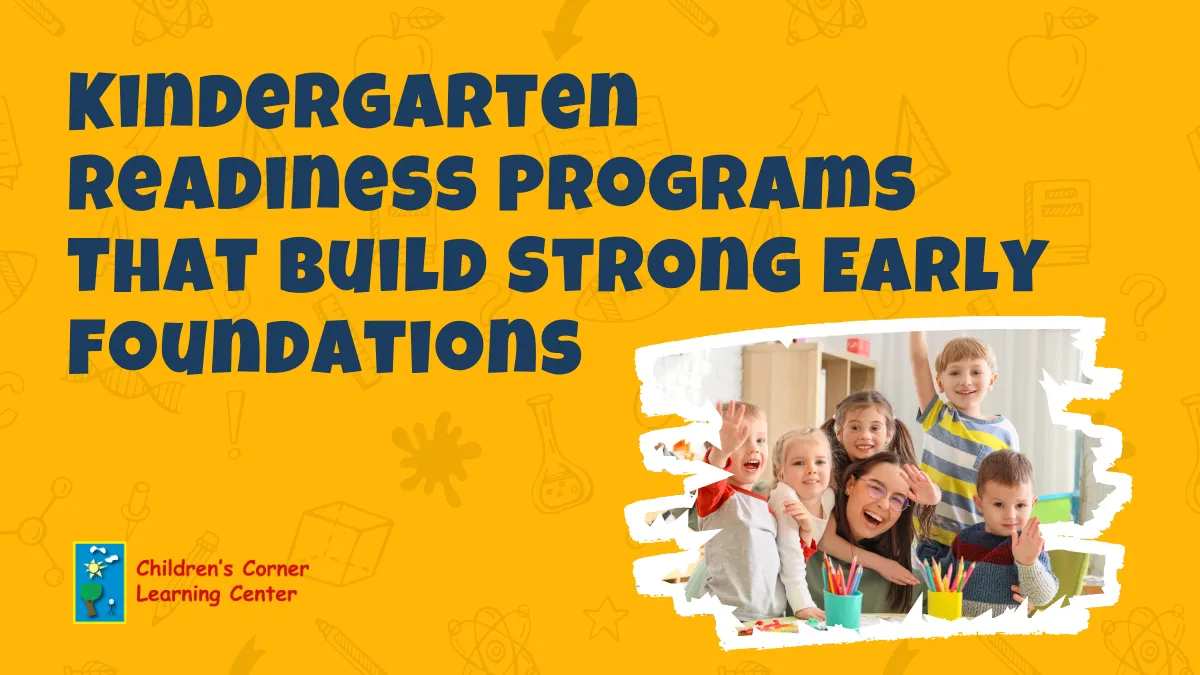
Kindergarten readiness programs help children develop the foundational skills they need to succeed in a defined learning environment. These programs focus on whole-child growth, supporting early academics, social development, and classroom habits that prepare children for kindergarten expectations. The goal is not to rush children into advanced lessons, but to strengthen confidence, independence, and consistent learning behaviors through age-appropriate instruction and routine.
Early Literacy and Communication Skills
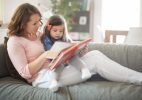
Strong readiness programs support language growth by helping children build vocabulary, listening skills, and early literacy awareness. Teachers encourage conversation, storytelling, and sound recognition through daily group activities and interactive reading. Children begin learning how to follow directions, answer simple questions, and communicate needs clearly, which supports both learning and peer relationships.
Many programs include literacy-building activities such as:
- Daily storytime with discussion and repetition
- Letter recognition and early phonics exposure
- Name writing practice and pre-writing development
- Building comprehension through sequencing and retelling
Early Math and Thinking Skills
Readiness programs also introduce early math concepts in a developmentally appropriate way. Children practice counting, sorting, and recognizing patterns through hands-on learning that feels engaging and manageable. These early concepts support problem-solving, memory, and focus, which are essential for classroom participation.
Common math-based learning may include:
- Counting objects during play and routines
- Recognizing shapes, colors, and patterns
- Comparing size, quantity, and order
- Simple games that encourage reasoning and attention
Classroom Participation and Learning Habits
Successful kindergarten readiness is not only about academic foundations. It also includes the ability to participate in group learning, follow classroom expectations, and complete tasks with guidance. Programs support these habits through consistent routines, guided instruction, and structured group activities that build attention and cooperation.
Children typically practice skills such as:
- Transitioning between activities calmly
- Sitting and listening during group time
- Taking turns and working alongside peers
- Completing simple tasks from start to finish
When these elements are taught together, children enter kindergarten more prepared, confident, and ready to learn. A high-quality readiness program supports skill growth while honoring each child’s pace, creating a strong foundation for long-term academic and social success.
A Preschool Preparation Curriculum That Supports Learning and Confidence

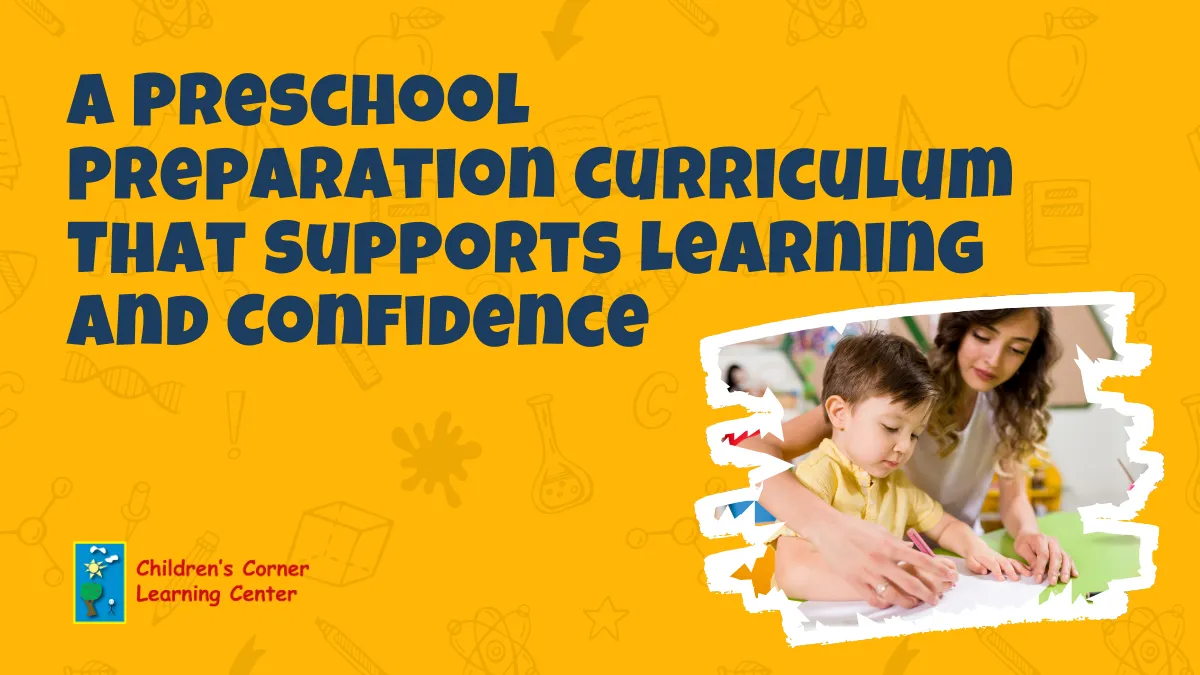
A preschool preparation curriculum is designed to help children enter preschool with the skills, habits, and confidence needed for a successful classroom experience. Rather than focusing only on early academics, a strong curriculum supports well-rounded development through structured routines, guided learning activities, and consistent teacher support. Children learn best when expectations are clear, and learning feels achievable, which is why quality programs combine play-based instruction with intentional skill-building.
Balanced Learning Across Key Development Areas
Effective preschool preparation programs strengthen multiple developmental areas simultaneously. Children build early academic skills while also developing communication, independence, and emotional readiness. This balanced approach supports long-term learning by helping children feel capable and comfortable in a group setting.
A well-rounded curriculum often supports:
- Early language and literacy through stories, vocabulary, and discussion
- Early math concepts through counting, patterns, and problem-solving
- Social-emotional growth through guided interaction and positive behavior support
- Physical development through movement, fine motor tasks, and hands-on activities
Structured Teaching With Age-Appropriate Expectations
A strong curriculum provides structure without creating unnecessary pressure. Children are gradually introduced to classroom habits, with teachers offering guidance, encouragement, and repetition. Lessons are short, engaging, and designed to match preschool attention spans. Children learn through interactive instruction, small-group experiences, and hands-on exploration, which keep them interested and involved.
Programs may include daily opportunities for children to:
- Follow simple directions and participate in group activities
- Practice early writing skills through tracing and drawing
- Explore classroom materials through purposeful learning centers
- Build attention and focus through routine-based instruction
Building Confidence Through Consistency and Support
Confidence grows when children feel safe, supported, and successful. A preschool preparation curriculum builds confidence by creating predictable routines and clear expectations that help children know what to do and what comes next. Teachers reinforce progress with positive feedback and allow children to practice skills repeatedly until they become familiar.
Over time, children begin to take more ownership in their learning by making choices, completing tasks, and participating more comfortably with peers. This steady growth supports a smoother preschool transition and helps children enter the classroom ready to learn, communicate, and engage with confidence.
When a curriculum is intentional, balanced, and supportive, it strengthens the skills children need while helping them feel prepared for the next stage of early education.
School Readiness Skills for Preschoolers That Matter Most
School readiness is about more than recognizing letters and numbers. For preschoolers, being ready for school means having the communication, independence, and social-emotional skills needed to succeed in a structured classroom. Strong preschool readiness programs focus on practical skills that support learning, peer relationships, and confidence throughout the day. When children build these readiness skills early, the transition into preschool and kindergarten often feels smoother and less stressful for both the child and the family.
Communication and Listening Skills
Preschoolers need to understand directions, express needs, and participate in classroom conversations. Readiness programs strengthen these skills through daily interaction, storytelling, and structured group time. Children learn how to listen when others are speaking, respond to questions, and use language to solve simple challenges. These skills support learning and help children build positive relationships with teachers and peers.
Common communication skills include:
- Following one-step and two-step directions
- Using words to express feelings and needs
- Answering simple questions during group activities
- Practicing early vocabulary and sentence development
Social-Emotional Skills and Self-Regulation
Emotional readiness plays a major role in school success. Preschoolers benefit from learning how to manage frustration, handle transitions, and interact respectfully with others. A quality program provides consistent expectations and positive guidance that helps children build patience, empathy, and problem-solving skills.
School readiness programs often focus on:
- Taking turns and sharing during play
- Managing big emotions with teacher support
- Respecting boundaries and practicing gentle behavior
- Building confidence through positive reinforcement
Independence and Daily Routine Skills
In a preschool classroom, children are expected to complete simple tasks and follow routines with growing independence. Readiness programs help children build these life skills through consistent practice during meals, restroom routines, cleanup, and structured classroom activities. These skills create confidence and reduce anxiety during the school day because children feel capable and prepared.
Examples of daily independence skills include:
- Washing hands and cleaning up after activities
- Managing basic belongings like backpacks and jackets
- Moving between activities with minimal assistance
- Following classroom routines such as lining up or sitting for group time
Early Academic Foundations and Learning Habits
Academic readiness is introduced gradually through hands-on, age-appropriate learning. Children practice early literacy and math skills, but equally important is learning how to participate in group instruction, focus, and complete tasks. Readiness programs help children develop attention, curiosity, and consistency, which support long-term learning success.
When preschoolers build these readiness skills together, they enter school with stronger confidence, better classroom habits, and the ability to engage in learning in a positive and meaningful way.
How Readiness Programs Support Social and Emotional Development
Social and emotional development is a key part of school readiness because it shapes how children handle routines, relationships, and learning expectations. Readiness programs support these skills through consistent guidance, structured peer interaction, and predictable classroom routines. When children feel secure and supported, they are more likely to participate, communicate confidently, and manage everyday challenges healthily.
Building Confidence Through Positive Relationships
Children develop confidence when they feel safe with the adults guiding them. Readiness programs prioritize nurturing teacher-child relationships that help children feel seen, understood, and supported. Teachers use encouragement, consistent expectations, and calm communication so children know they can trust their classroom environment.
Support often includes:
- Warm greetings and daily check-ins
- Positive reinforcement for effort and participation
- Gentle coaching during conflicts or frustration
- Creating a sense of belonging in the classroom
Teaching Emotional Awareness and Self-Regulation
Preschoolers are still learning how to identify emotions and respond appropriately. Readiness programs help children develop emotional awareness by naming feelings, discussing appropriate responses, and practicing calming strategies. Over time, children begin building self-control and learning how to manage disappointment, waiting, and changes in routine.
Programs may teach regulation skills by:
- Using simple emotion language throughout the day
- Encouraging children to pause and ask for help
- Teaching breathing or quiet corner routines for calming
- Practicing transitions with consistent structure
Supporting Peer Interaction and Social Skills
A readiness setting provides regular opportunities for children to practice social interaction in a guided way. Children learn how to share materials, take turns, listen to others, and work alongside peers. Teachers model respectful communication and support children as they develop cooperation skills essential to a classroom environment.
When social-emotional development is intentionally supported, children gain stronger confidence, healthier coping skills, and improved classroom behavior. These skills help children transition into preschool and kindergarten with greater comfort, stronger relationships, and the ability to engage positively in learning each day.
Conclusion
Preschool readiness is built through consistent guidance, age-appropriate learning, and strong social-emotional support. When children have the opportunity to practice classroom routines, strengthen communication, and build confidence through structured early learning, they are better prepared for the expectations of preschool and kindergarten. A high-quality readiness program helps children develop the skills that matter most while creating a supportive environment that allows them to grow at a healthy pace. With the proper foundation in place, families can feel confident knowing their child is entering the next stage of learning with stronger independence, focus, and emotional readiness.
Take the next step toward confident school readiness. Schedule a tour at https://childrenscornergroup.com/book-a-tour/ or call (800) 933-7757.