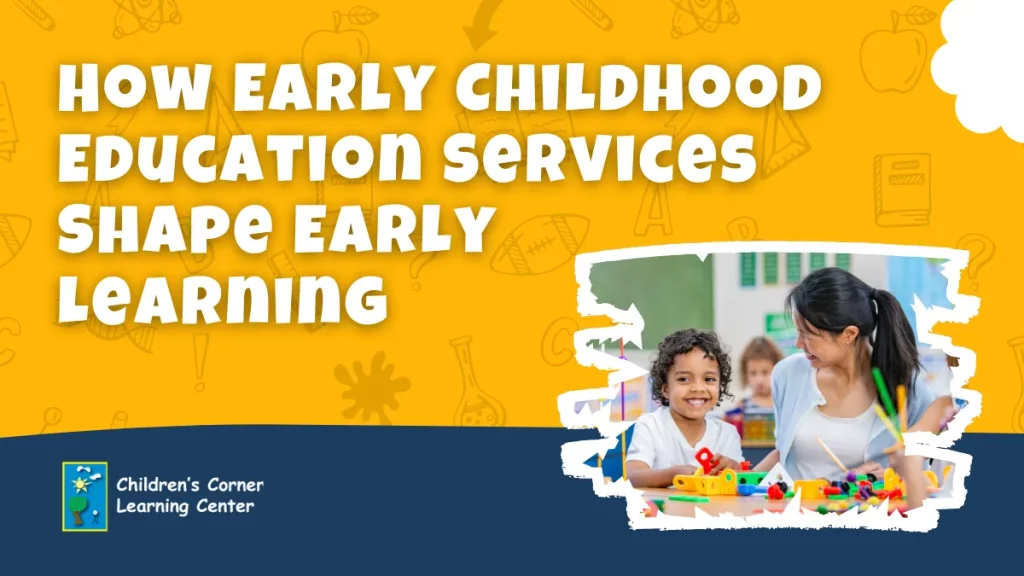
Early childhood education services support children during a critical period of growth by building strong foundations for learning, behavior, and social development. In the early years, children rapidly develop communication, emotional regulation, motor coordination, and problem-solving skills.
A high-quality educational environment provides nurturing guidance, consistent routines, and age-appropriate learning experiences that help children thrive. Through play-based instruction and intentional teaching, children learn how to participate in group settings, develop independence, and explore new skills with confidence. These early experiences prepare children for long-term success in preschool, kindergarten, and beyond.
Child Development Programs That Build Strong Foundations
Child development programs play an essential role in shaping how young children learn, communicate, and grow during the earliest years of life. These programs are designed to support development across multiple areas at once, including language, social-emotional growth, cognitive skills, and physical coordination. Instead of focusing solely on academic performance, high-quality programs help children build confidence and readiness through age-appropriate learning experiences and consistent routines.
An Early Learning Curriculum Designed for Whole-Child Growth
An early learning curriculum provides the structure and purpose behind what children experience each day in an early education setting. When designed with whole-child development in mind, it supports learning across academic, social-emotional, physical, and cognitive domains simultaneously. Instead of focusing on one skill at a time, a well-rounded curriculum helps children grow through routines, guided instruction, and meaningful play that match their age and stage of development.
Child Development Programs That Build Strong Foundations
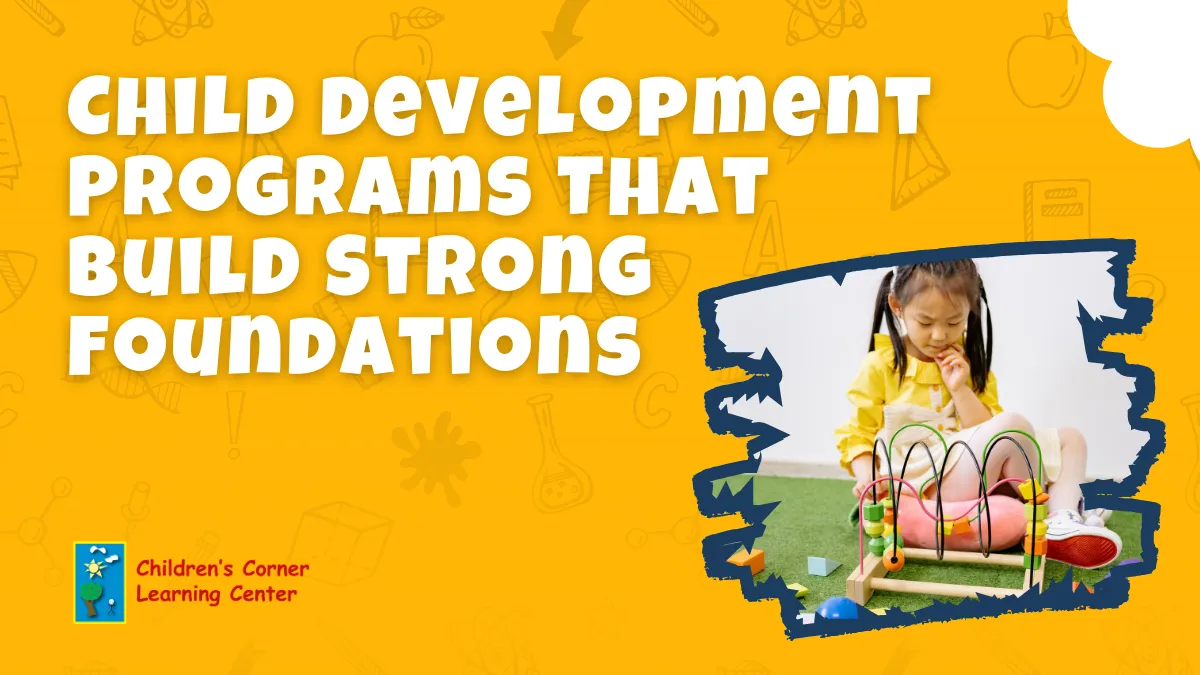
Child development programs play an essential role in shaping how young children learn, communicate, and grow during the earliest years of life. These programs are designed to support development across multiple areas at once, including language, social-emotional growth, cognitive skills, and physical coordination. Instead of focusing solely on academic performance, high-quality programs help children build confidence and readiness through age-appropriate learning experiences and consistent routines.
Supporting Growth Across Key Development Areas
Children learn through repetition, exploration, and interaction with caring adults. A strong child development program supports whole-child growth by providing a balanced environment where children can practice new skills in a structured setting. Learning is often play-based, meaning children develop critical abilities while still enjoying activities that feel natural and engaging. Many programs support growth in areas such as:- Language development through conversation, books, and music
- Social skills through peer interaction and teacher guidance
- Emotional development through consistent routines and positive support
- Physical development through movement and hands-on activities
Building Confidence Through Consistency and Structure
Young children thrive when they know what to expect. Consistent classroom routines create a sense of security and help children feel more comfortable participating in learning. When children feel supported, they are more willing to try new activities, communicate needs, and engage with others. A structured environment also helps children develop early self-control and transition skills, which are important for preschool and kindergarten readiness. Common routine-based supports include:- Predictable schedules for learning, meals, and rest
- Clear expectations for behavior and classroom participation
- Calm transitions between activities
- Repetition that helps children master skills over time
Encouraging Early Learning Through Meaningful Experiences
Child development programs build foundational skills through purposeful, developmentally appropriate learning experiences. Teachers plan activities that help children strengthen attention, problem-solving, and early communication without pressure. Children learn through play centers, group time, creative projects, and guided exploration that supports curiosity and healthy development. When child development programs combine nurturing relationships, structured routines, and intentional learning, children gain stronger foundations for lifelong growth. These early experiences help children feel capable, supported, and ready to take on new learning stages with confidence.An Early Learning Curriculum Designed for Whole-Child Growth

An early learning curriculum provides the structure and purpose behind what children experience each day in an early education setting. When designed with whole-child development in mind, it supports learning across academic, social-emotional, physical, and cognitive domains simultaneously. Instead of focusing on one skill at a time, a well-rounded curriculum helps children grow through routines, guided instruction, and meaningful play that match their age and stage of development.
Balanced Learning That Supports the Whole Child
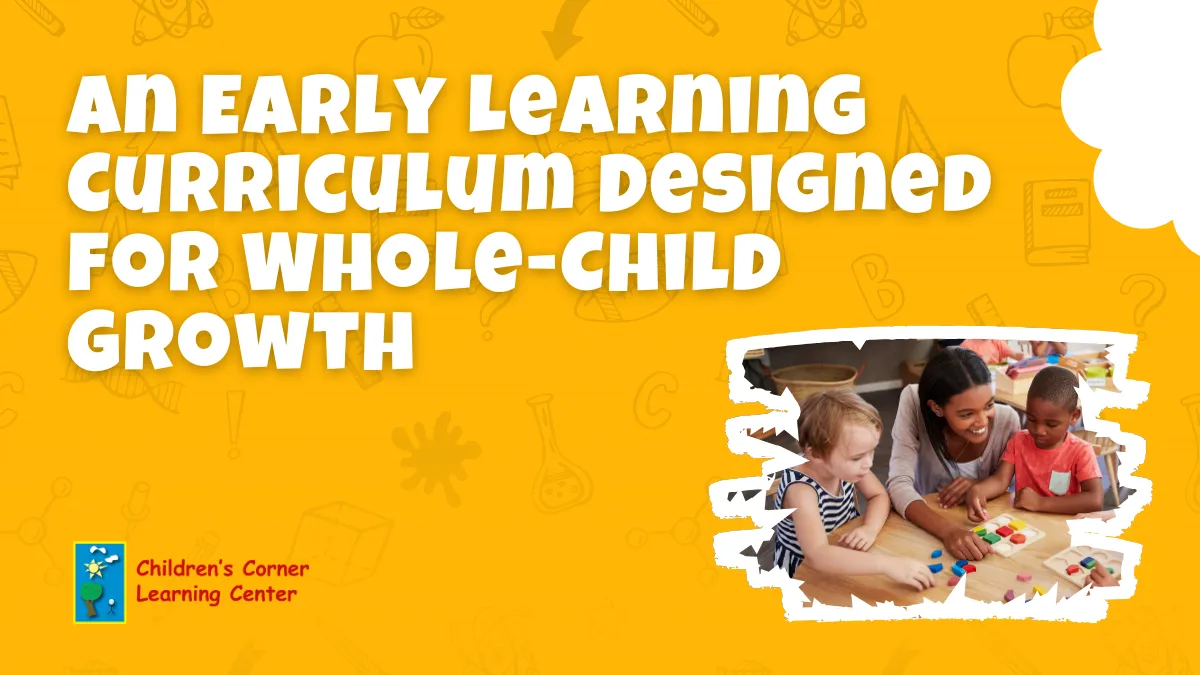
Children develop best when learning is consistent, engaging, and supportive. A strong curriculum creates opportunities for children to build literacy and math foundations while also strengthening communication, emotional awareness, and problem-solving skills. Activities are planned intentionally so children can practice skills repeatedly in different ways, helping them gain confidence and understanding over time. A whole-child curriculum often includes learning experiences such as:- Language development through read-alouds, songs, and daily conversation
- Early math through counting, sorting, patterns, and hands-on exploration
- Social-emotional learning through group routines and positive guidance
- Physical development through movement, fine motor tasks, and outdoor play
Play-Based Instruction With Purpose
Play is one of the most effective ways young children learn. A strong early learning curriculum uses play as a tool for development rather than treating it as free time without direction. Teachers set up purposeful learning centers that allow children to explore, make choices, and problem-solve in a structured environment. Through building, creating, pretending, and experimenting, children strengthen attention, creativity, and early reasoning skills. Play-based learning often supports:- Curiosity and independent exploration
- Cooperation with peers and shared materials
- Vocabulary growth through interaction and storytelling
- Critical thinking through trial-and-error experiences
Individual Support and Developmental Progress
Children learn at different speeds, and a quality curriculum leaves room for individual needs and strengths. Teachers observe progress during daily activities and use that understanding to guide learning experiences. Children receive the support they need without being compared to others, which helps maintain confidence and motivation. When an early learning curriculum is intentional, play-based, and developmentally appropriate, it helps children build skills that support long-term success. This type of learning environment strengthens independence, communication, and readiness for future classroom expectations while keeping childhood learning engaging and positive.Early Childhood Development Support That Strengthens Confidence
Confidence in early childhood is built through consistent support, positive relationships, and opportunities to practice new skills in a safe environment. Early childhood development support helps children feel capable as they learn how to communicate, manage emotions, solve problems, and participate in group settings. When children receive the right level of guidance and encouragement, they are more likely to explore new challenges, develop independence, and build a healthy sense of self.Strong Teacher-Child Relationships
Children thrive when they feel secure with the adults who care for them. Supportive teachers build trust by responding with patience, listening carefully, and creating a classroom culture that feels predictable and welcoming. When children feel safe, they participate more willingly, ask for help when needed, and gain confidence in their ability to learn. Positive teacher support often includes:- Warm greetings and consistent daily routines
- Encouragement that focuses on effort, not perfection
- Calm responses during challenging moments
- Individual attention that helps children feel understood
Emotional Support and Positive Guidance
Young children experience big emotions as they learn self-control, frustration tolerance, and cooperation. Development-focused programs support emotional growth through clear expectations and gentle guidance. Teachers help children identify feelings, use words to express needs, and practice calming strategies that support self-regulation over time. Children often build emotional confidence by learning to:- Recognize and name emotions in real situations
- Use appropriate coping tools during frustration
- Practice respectful behavior and gentle hands
- Resolve simple conflicts with teacher support
Encouraging Independence Through Daily Routines
Independence is a significant part of confidence-building in early childhood. When children are supported in completing tasks independently, they begin to trust their abilities and take pride in their progress. Daily routines such as cleanup, meals, handwashing, and transitions offer opportunities to naturally build responsibility and decision-making skills. Programs that strengthen independence often encourage children to:- Put away materials and manage personal belongings
- Make simple choices during activities and routines
- Follow classroom routines with growing consistency
- Practice self-help skills with patient support
Choosing the Right Early Childhood Education Provider
Choosing an early childhood education provider is an important decision because it influences your child’s development, comfort, and early learning experience. Beyond convenience and location, the right provider should offer a nurturing environment, a strong educational foundation, and clear communication that helps families feel confident each day. When evaluating options, it helps to focus on how the program supports children socially, emotionally, and academically, in ways that fit their age and stage of development.What to Look for in a Quality Program
A strong early childhood program balances learning and care with consistent routines and responsive teaching. During a tour, pay attention to how teachers speak to children, how the classroom is organized, and whether children appear comfortable and engaged. Key qualities to look for include:- A safe, clean, and age-appropriate environment
- Warm, attentive teachers who actively engage with children
- Clear daily routines that support behavior and learning
- Developmentally appropriate learning activities and materials
- Strong health and safety procedures throughout the day
Questions to Ask During a Tour
Asking the right questions can help you understand what your child’s experience will look like and how the provider supports development over time. The best programs are prepared to explain their approach clearly and consistently. Helpful questions include:- How do you support social and emotional growth in the classroom?
- What does a typical day look like for my child’s age group?
- How do you guide behavior and teach classroom expectations?
- How do you communicate with families about progress and daily care?
- What training and qualifications do teachers have?