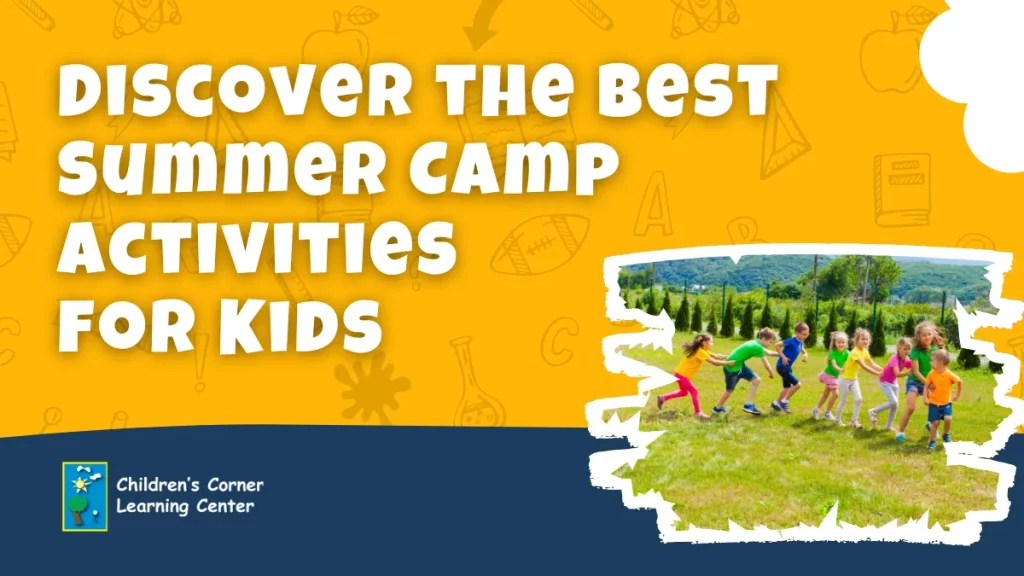
Best cummer camp activities help children stay engaged, build confidence, and create lasting friendships through meaningful experiences. From creative arts and hands-on STEM projects to outdoor games and team challenges, the right mix of programming supports social development, independence, and a genuine love of learning.
Families often look for camps that balance fun with structure, offering a safe environment where children can explore new interests while staying active. Whether your child prefers sports, imaginative play, or interactive enrichment, thoughtfully planned activities can make each day feel exciting and purposeful while supporting important growth milestones.
Educational Summer Camp Activities That Build Real Skills
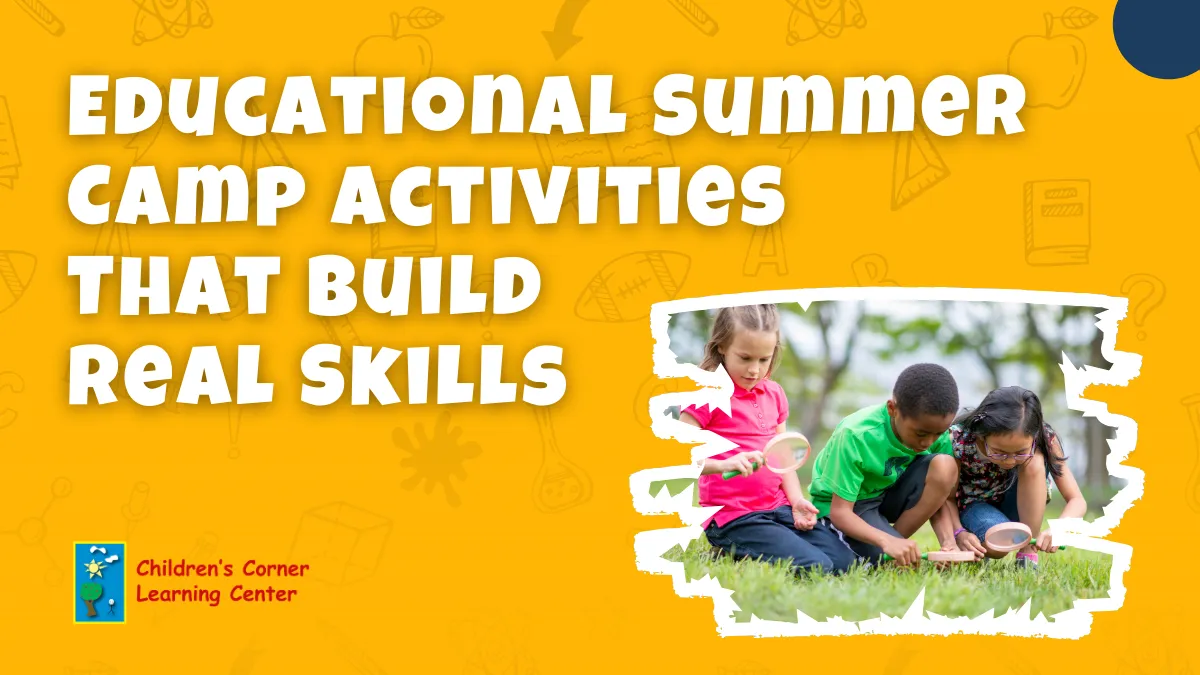
Educational summer camp activities can be both engaging and skill-focused when they are designed with clear goals, age-appropriate support, and hands-on experiences. The strongest programs keep learning active and practical, helping children gain confidence as they explore new interests in a setting that still feels like summer.
Skill Building Through Hands-On Learning
Activities work best when children can touch, test, and create. Simple science experiments, building challenges, and nature investigations help campers practice problem-solving and critical thinking without feeling like they are in a classroom. Rotating stations also keeps energy high while giving every child a chance to try something new.
Examples of hands-on learning ideas:
- DIY science labs, such as sink or float, magnets, and simple chemical reactions
- Engineering challenges like building towers, bridges, and ramps
- Nature scavenger hunts that strengthen observation and vocabulary
Literacy And Communication Activities
Summer is an ideal time to support language development through relaxed, social experiences. Group storytelling, read-aloud circles, and creative writing prompts encourage children to express ideas clearly and listen to others.
Low-pressure literacy activities:
- Partner reading and discussion questions
- Story-building games where each child adds a sentence
- Journaling with prompts based on the day’s theme
Practical Life Skills That Support Independence
Real skill-building includes the everyday abilities that help children feel capable. Camp routines can naturally reinforce organization, responsibility, and cooperation through small, consistent expectations.
Practical life skills to include:
- Cleaning up materials and resetting activity areas
- Taking turns leading a line, passing supplies, or helping a younger camper
- Preparing simple snacks with safe tools and close supervision
When educational summer camp activities are thoughtfully planned, children leave with more than memories. They also gain measurable growth in communication, independence, and problem-solving that supports success well beyond the summer season.
Structured Summer Camp Programs That Keep Days Calm and Predictable

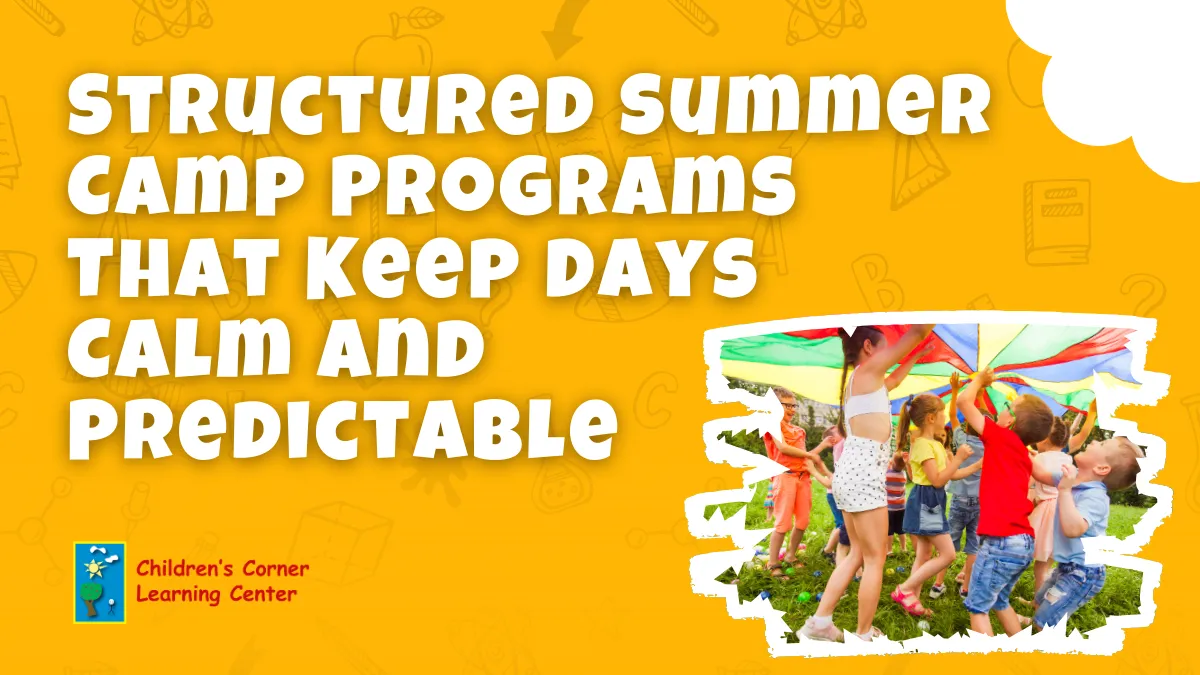
Structured summer camp programs help children feel secure and successful by making each day easy to understand. When campers know what to expect, they can settle in faster, follow directions with more confidence, and participate more fully in activities. A calm, predictable rhythm is especially helpful for younger children who thrive with routine, clear boundaries, and consistent guidance from trusted adults.
A Consistent Daily Schedule With Familiar Transitions
The strongest programs use a dependable schedule that repeats in a comforting way. Even when activities change, the flow stays steady. Predictable transitions reduce frustration and support smoother movement between play, learning, and meals.
A simple camp day structure may include:
- Morning arrival and welcome routine
- Group meeting with the day’s theme and expectations
- Activity blocks with planned movement breaks
- Lunch and rest period
- Afternoon enrichment and outdoor play
- Pick-up routine with a brief recap
Clear Expectations That Support Positive Behavior
Structure works best when children understand what is expected and why it matters. Staff can model routines, reinforce safe choices, and use consistent language across classrooms and activity areas. This approach supports cooperation and reduces behavior challenges that can appear when children feel unsure.
Effective structure includes:
- Visual cues such as posted schedules and simple rule charts
- Consistent guidance for sharing, listening, and taking turns
- Small group formats that allow more attention and support
Balanced Activity Blocks For Energy and Focus
A predictable day should still feel fun and engaging. Alternating active and quieter experiences helps children regulate energy while staying interested. Outdoor play, creative projects, and hands-on learning can be arranged in blocks that fit attention spans and prevent overstimulation.
Well-balanced programming often rotates:
- Active games and movement
- Creative arts and building
- Snack, hydration, and regrouping
- Calm activities such as reading, puzzles, or mindfulness
Structured summer camp programs create a steady environment where children can enjoy camp while building confidence, independence, and strong social skills. When routines are consistent and guidance is supportive, families often notice that children come home happier, more regulated, and excited for the next day.
Fun Learning Summer Camps That Blend Play With Purpose
Fun learning summer camps give children the best of both worlds by combining meaningful enrichment with activities that still feel like summer. When play is thoughtfully guided, children stay engaged while building skills that support confidence, curiosity, and stronger school readiness. The most effective programs avoid worksheets and instead focus on hands-on experiences that feel exciting, social, and active.
Theme-Based Weeks That Make Learning Feel Natural
A strong theme helps children connect ideas across activities throughout the day. Themes also foster a shared sense of purpose, supporting participation and teamwork.
Examples of high-interest themes:
- Space explorers and rocket building
- Ocean discoveries and water science
- Community helpers and role play stations
- Garden to table and nature learning
Play Centers With Built-In Skills
Centers allow children to choose activities while still working toward developmental goals. Camp staff can guide play with prompts and materials that encourage deeper thinking, cooperation, and communication.
Purposeful play center ideas:
- Building zone with blocks, magnetic tiles, and challenge cards
- Dramatic play corner with themed props that support vocabulary
- Art studio with open-ended materials and technique demonstrations
- Maker table with recycled materials for designing and creating
Movement Games That Reinforce Learning
Active play is an ideal way to support learning without slowing down the day. Games can incorporate numbers, colors, patterns, and listening skills while keeping children moving.
Simple options that work well at camp:
- Relay races with sorting or matching tasks at each station
- Obstacle courses that follow multi-step directions
- Scavenger hunts using clues, symbols, or picture lists
Reflection Moments That Build Confidence
Short reflection routines help children recognize what they accomplished and practice communication. These moments should be brief, positive, and consistent.
Camp-friendly reflection ideas:
- End-of-day share circle with one highlight
- Sticker charts for effort and teamwork
- Quick drawing prompt about what they learned
Fun learning summer camps work best when children feel free to explore, while teachers provide structure and guidance that turns play into real growth. With the right balance, campers leave with stronger skills, stronger friendships, and a genuine excitement for learning.
Outdoor Adventure Activities That Encourage Movement and Confidence
Outdoor adventure activities help children build strength, confidence, and resilience through active play and supervised challenges. Time outside supports physical development, social growth, and emotional regulation, especially when children have space to move, explore, and practice new skills. The most successful camp experiences offer a mix of high-energy games, nature discovery, and teamwork-based activities that encourage participation at every comfort level.
Active Games That Build Endurance And Coordination
Movement-focused games keep children engaged while strengthening balance, agility, and motor planning. When staff vary the pace and rotate roles, children stay motivated and feel successful.
Camp favorites that support physical development:
- Relay races with simple stations and clear rules
- Capture-the-flag variations with smaller teams and boundaries
- Parachute games that promote coordination and listening
- Tag games with structured zones and built-in breaks
Nature Exploration That Sparks Curiosity
Outdoor learning can be just as exciting as active play. Guided exploration encourages children to notice details, ask questions, and connect with the world around them. These activities also support vocabulary and observation skills in a relaxed setting.
Easy nature activities to include:
- Bug and leaf hunts using picture cards
- Weather tracking with daily observations
- Nature journals with drawings and short descriptions
- Mini hiking walks with safety rules and rest points
Adventure Challenges That Support Confidence
Children gain confidence when they complete safe, age-appropriate challenges. The goal is progress, not competition. Encouragement and coaching help children attempt new skills while respecting personal boundaries.
Adventure-style activities that feel exciting and achievable:
- Obstacle courses with crawling, balancing, and jumping stations
- Cooperative rope and cone challenges that require teamwork
- Timed “mission” courses where children solve a simple task at each step
Team Activities That Build Trust And Leadership
Outdoor adventure is also a powerful setting for social development. Group tasks teach children how to communicate, share responsibility, and support peers. These experiences can also highlight leadership skills in children who may be quieter indoors.
Team building examples:
- Partner scavenger hunts with shared checklists
- Group building challenges using sticks, buckets, or large blocks
- Circle games that require turn-taking and encouragement
Outdoor adventure activities encourage children to move with purpose, take healthy risks, and experience the pride that comes from trying something new. With consistent supervision and positive guidance, outdoor play becomes a foundation for stronger confidence and lasting growth.
Conclusion
The best summer camp experiences are built on planning, thoughtful structure, and activities that support real growth. When children have opportunities to learn through hands-on discovery, move confidently through predictable routines, and explore play with purpose, they gain skills that last well beyond the season. From outdoor adventures and creative projects to team-building games and learning stations, the right mix of activities helps children strengthen independence, build friendships, and develop confidence in a safe, encouraging setting.
Explore a summer program designed for meaningful learning and joyful days. Call (800) 933-7757 or book a tour here: https://childrenscornergroup.com/book-a-tour/.