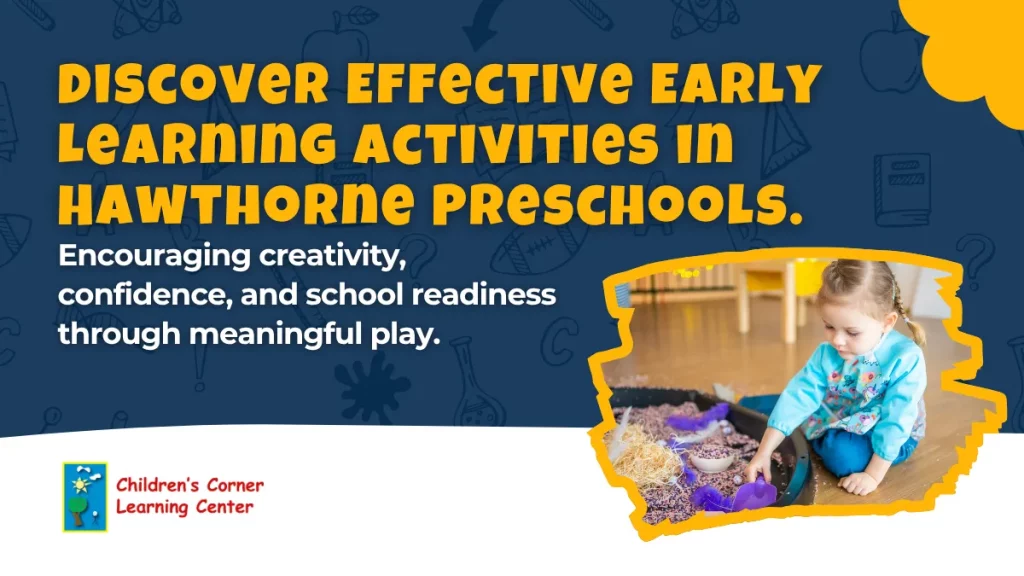
Hawthorne preschool educational activities help young children build essential skills through hands-on learning, guided play, and age-appropriate exploration. In a quality preschool setting, these activities support early literacy, problem-solving, creativity, social development, and independence. Children learn best when they are engaged in meaningful experiences that encourage curiosity and confidence.
From art and music to storytime, sensory play, and early math activities, each part of the day can support healthy development. For families in Hawthorne, choosing a preschool with effective early learning activities can help children feel prepared, supported, and excited for the next stage of their education.
How Creative Arts in Early Learning Centers Inspire Young Minds
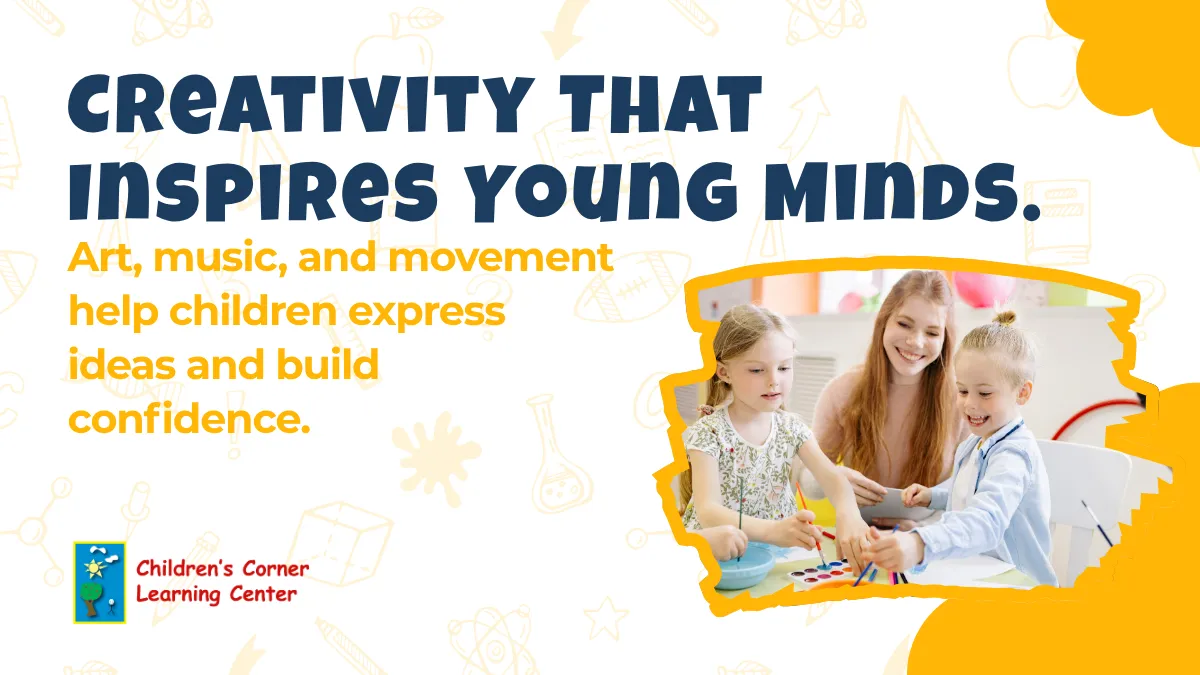
Creative arts in early learning centers give children meaningful ways to explore ideas, express emotions, and build confidence. Through art, music, movement, and imaginative activities, young learners develop important skills while enjoying experiences that feel natural, engaging, and age-appropriate.
Encouraging Self-Expression
Creative activities allow children to communicate in ways that go beyond words. A child may use colors, shapes, songs, or movement to express how they feel or what they are learning. This is especially helpful during the preschool years, when children are still developing language and emotional awareness.
Building Fine Motor Skills
Art-based activities also support physical development. When children hold crayons, use paintbrushes, tear paper, glue shapes, or mold clay, they strengthen the small muscles in their hands and fingers. These movements help prepare them for future skills such as writing, cutting, and classroom participation.
Creative arts may include:
- Drawing and coloring
- Painting and stamping
- Music and rhythm activities
- Dancing and movement games
- Simple crafts
- Dramatic play and storytelling
Supporting Imagination and Problem-Solving
Creative arts help children think flexibly and creatively. When they build a craft, act out a story, or experiment with different materials, they learn to make choices, solve simple problems, and try new approaches. These experiences support curiosity and help children feel more comfortable exploring new ideas.
Strengthening Confidence Through Participation
In a nurturing early learning environment, creative arts are not about making a perfect final product. They are about the process of trying, participating, and feeling proud of personal effort. When teachers encourage children’s creativity, children begin to see their ideas as valuable.
By including creative arts throughout the day, early learning centers help young children grow academically, socially, and emotionally. These activities create joyful learning moments while supporting the skills children need for future success.
Why Social Skills Matter in Preschool Development
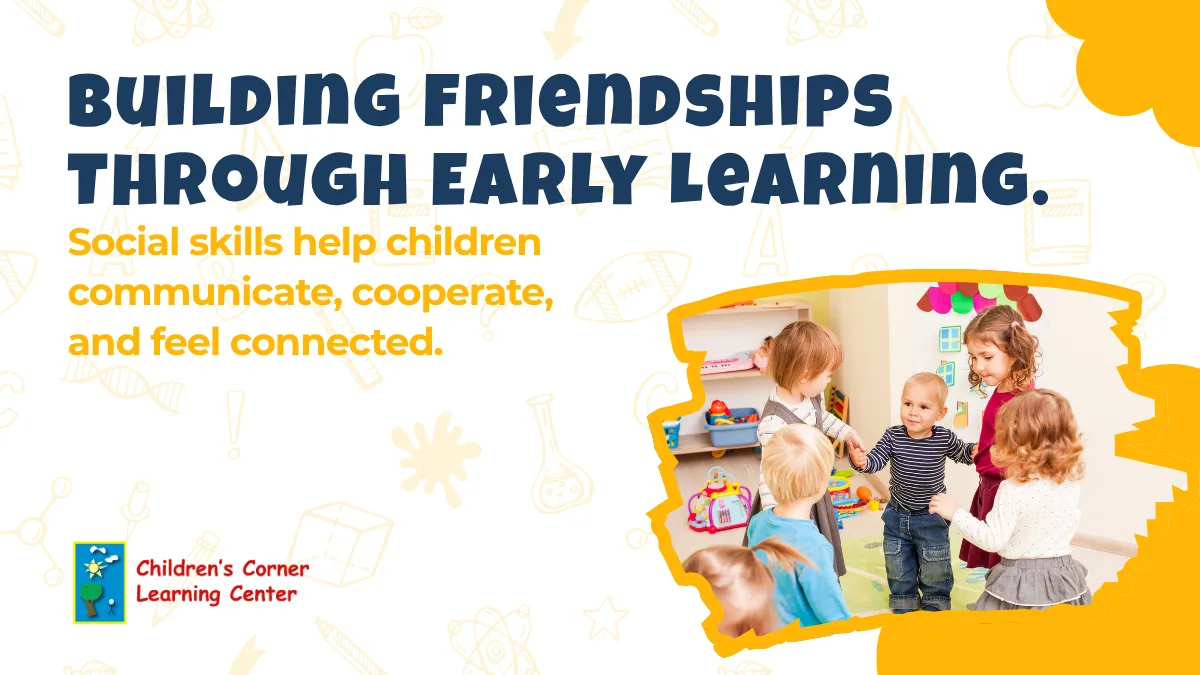
Social skills are an important part of preschool development because they help children learn how to connect with others, communicate their needs, and participate in group settings. In a supportive preschool environment, children practice these skills through daily routines, guided play, and positive interactions with teachers and classmates.
Learning to Communicate With Confidence
Preschool gives children regular opportunities to use words, gestures, and expressions to share their thoughts. They learn to ask for help, join activities, listen to others, and express feelings appropriately. These early communication skills support both classroom participation and emotional growth.
Building Friendships and Cooperation
Friendships often begin through simple shared experiences, such as building with blocks, reading together, or playing outside. As children interact with peers, they learn how to:
- Take turns during games
- Share classroom materials
- Work together on group activities
- Respect personal space
- Celebrate another child’s success
These moments help children understand kindness, patience, and cooperation.
Developing Emotional Awareness
Preschool children are still learning how to recognize and manage big feelings. A nurturing classroom helps children name emotions, understand boundaries, and practice calming strategies. With teacher guidance, children begin to learn that feelings are normal and can be expressed in healthy ways.
Preparing for Future Classrooms
Strong social skills help children feel more comfortable in kindergarten and beyond. When children know how to follow routines, listen during group time, and interact respectfully, they are better prepared for structured learning environments.
Social development is not separate from early learning. It supports every part of a child’s growth. By helping children build communication, cooperation, empathy, and confidence, preschool programs create a strong foundation for lifelong learning and positive relationships.
Exploring Hawthorne Early Learning Curriculum Options for Growing Children
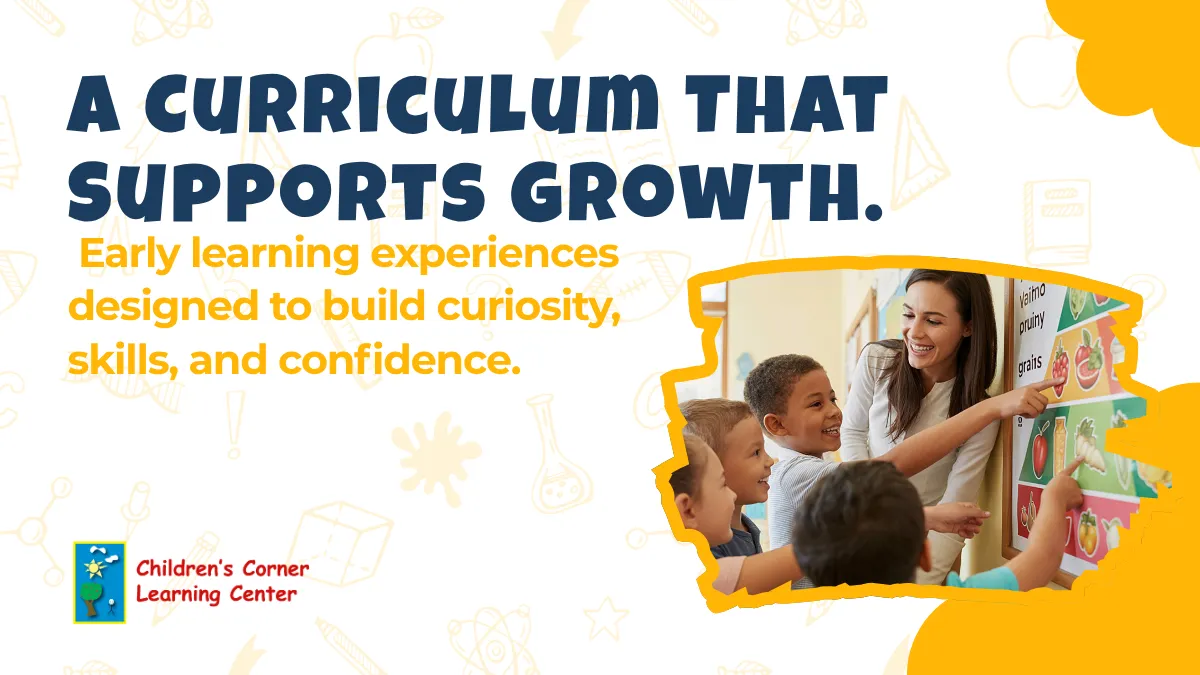
Hawthorne’s early learning curriculum options should support children across every area of development, including early academics, creativity, social growth, and independence. A strong preschool curriculum gives children the structure they need while still allowing them to learn through play, exploration, and hands-on experiences.
Building Early Academic Skills
Preschool curriculum often introduces foundational academic concepts in a gentle and age-appropriate way. Children may begin learning letters, numbers, shapes, colors, and early problem-solving skills through stories, songs, games, and guided classroom activities. These experiences help prepare children for kindergarten without creating unnecessary pressure.
Supporting Whole-Child Development
An effective curriculum should focus on more than academics. Young children also need opportunities to build emotional, physical, and social skills throughout the day. A balanced program may include:
- Early literacy and language activities
- Math and counting games
- Music, movement, and creative expression
- Outdoor play and gross motor development
- Fine motor activities, such as drawing or puzzles
- Group activities that encourage cooperation
This variety helps children grow in confidence as they discover their own strengths and interests.
Encouraging Curiosity Through Hands-On Learning
Children often understand new ideas best when they can see, touch, move, and explore. Hands-on learning allows them to ask questions, test ideas, and make connections with the world around them. Activities such as sensory play, building projects, science exploration, and dramatic play can make learning more meaningful.
Choosing a Curriculum That Fits Your Child
Every child develops at a different pace, so families should look for curriculum options that offer both structure and flexibility. The best programs guide children with care, celebrate progress, and create a positive learning environment where each child feels supported.
With the right early learning curriculum, growing children in Hawthorne can build the skills, confidence, and curiosity they need for future success.
Finding a Preschool Environment in Hawthorne That Supports Every Child
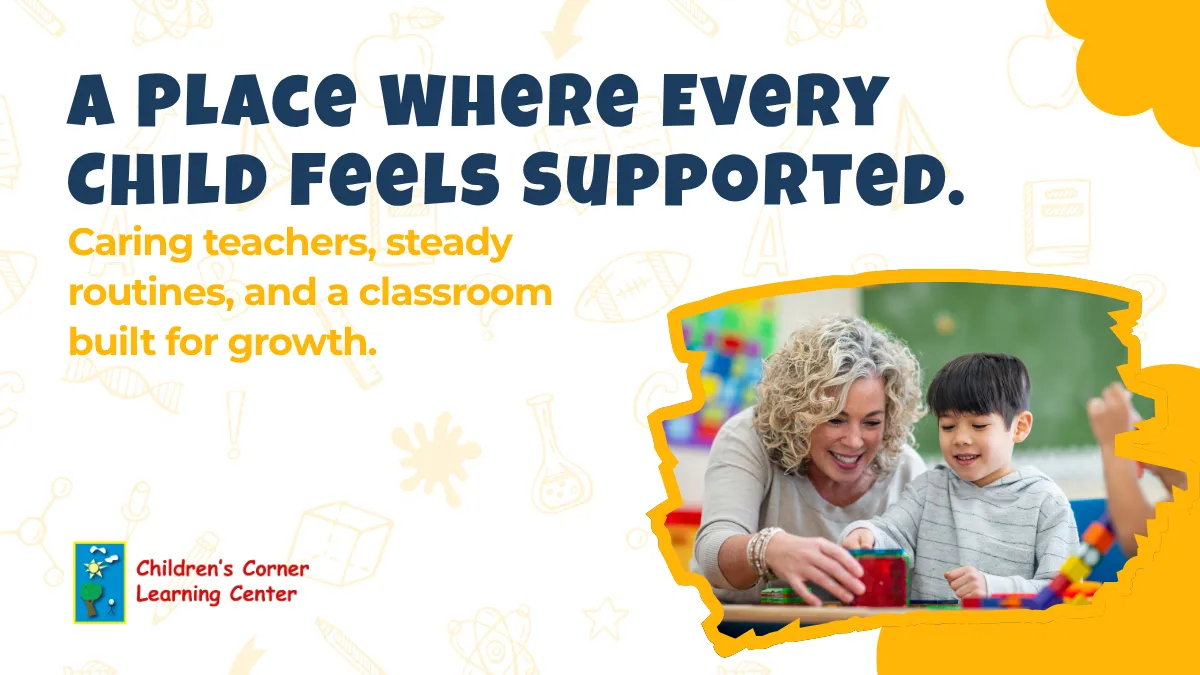
A supportive preschool environment in Hawthorne should help every child feel safe, valued, and ready to learn. During the early years, children need more than structured lessons. They need caring teachers, predictable routines, positive relationships, and classroom experiences that respect their individual developmental pace.
A Classroom Designed for Comfort and Growth
The physical environment can shape how children feel throughout the day. Bright, organized classrooms with age-appropriate materials help children explore independently while staying engaged. Spaces for reading, art, building, movement, and quiet time allow children to participate in different types of learning.
Teachers Who Understand Individual Needs
Every child enters preschool with different strengths, personalities, and comfort levels. Supportive teachers take time to understand each child and provide gentle guidance when needed. This may include helping a shy child join group play, encouraging a curious learner to take on new challenges, or supporting a child who needs extra time with routines.
Routines That Create Security
Consistent routines help children know what to expect, which can reduce stress and build confidence. A strong preschool day may include:
- Morning welcome time
- Circle time or group learning
- Creative play and hands-on activities
- Outdoor movement
- Snack or meal routines
- Rest or quiet time
- End-of-day transitions
These routines help children feel secure while learning independence and responsibility.
A Place Where Children Feel Included
An inclusive preschool environment encourages children to participate, connect, and feel accepted. Teachers help children practice kindness, cooperation, and respect while celebrating individual progress.
When families look for a preschool in Hawthorne, they should seek a setting that supports children academically, socially, and emotionally. The right environment helps children feel confident, cared for, and prepared for the next stage of learning.
Conclusion
Effective early learning activities help children build a strong foundation for school, friendships, and lifelong growth. Through creative arts, social development, hands-on learning, and a supportive classroom environment, preschool children gain the confidence to explore new ideas and participate in meaningful experiences. For families in Hawthorne, choosing the right preschool means finding a place where children are cared for, encouraged, and guided through each stage of early development. A thoughtful program can help every child feel prepared, capable, and excited to learn.
Schedule a tour today at https://childrenscornergroup.com/book-a-tour/ or call (800) 933 7757 to learn more.