
Families who plan to enroll their child in preschool before January can secure meaningful developmental and practical advantages. An early start supports language growth, emerging math concepts, and social skills that prepare children for classroom routines. It also establishes consistent schedules that benefit attention, behavior, and independence. Starting before the new year helps children enter spring with stronger peer relationships and confidence during group activities.
Families gain reliable care, stronger home-to-school communication, and a clearer path to kindergarten readiness. The following reasons outline how an earlier enrollment timeframe can improve daily learning, simplify transitions, and align with key milestones that matter during the second half of the academic year.
1. Preschool Enrollment Before January: Enhancing Readiness
Early enrollment strengthens core learning, social development, and daily routines during a pivotal part of the school year. Beginning before January positions children to build momentum through winter and spring, when classrooms introduce more structured activities and collaborative projects.
Preschool Registration Tips That Secure A Seat Before January
Registering before January requires a clear plan, complete paperwork, and timely follow-through. The goal is to confirm availability, demonstrate readiness, and move quickly once a seat is offered.
1. Preschool Enrollment Before January: Enhancing Readiness
Early enrollment strengthens core learning, social development, and daily routines during a pivotal part of the school year. Beginning before January positions children to build momentum through winter and spring, when classrooms introduce more structured activities and collaborative projects.
Academic Readiness
Children benefit from consistent exposure to language-rich activities, early math play, and science exploration. Repeated practice with letter sounds, vocabulary, counting, patterns, and measurement helps consolidate skills before spring assessments. Guided small-group work supports listening, turn-taking, and problem-solving. Early enrollment also familiarizes children with classroom materials and routines, reducing cognitive load and allowing them to focus on learning tasks.Social Growth
Joining a peer group early in the year gives children time to form friendships and learn conflict resolution strategies. Teachers can observe interactions across multiple months and provide targeted coaching on sharing, cooperation, and expressing needs. This extended runway improves confidence during circle time, centers, and outdoor play.Routine Foundations
Predictable routines support self-regulation and independence. Children who start before January practice consistent arrival, handwashing, transitions, and clean-up procedures while expectations are still being refined. This practice strengthens executive function skills, including planning, working memory, and flexible thinking.Family and Teacher Collaboration
An earlier start creates more checkpoints for communication. Families receive progress updates across winter and spring, enabling timely adjustments to goals and home routines. Teachers gain a clearer picture of each child’s strengths and needs, leading to more precise support.Health and Attendance Habits
Starting midyear helps children build stamina for school days and learn hygiene practices that keep classrooms healthy. Families establish attendance patterns that carry into spring events and end-of-year projects.Practical Outcomes at a Glance
- Stronger language, early math, and problem-solving skills
- More time to practice social skills with a consistent peer group
- Stable routines that promote independence and attention
- Ongoing teacher feedback to guide home support
- Health and attendance habits that support continuous learning
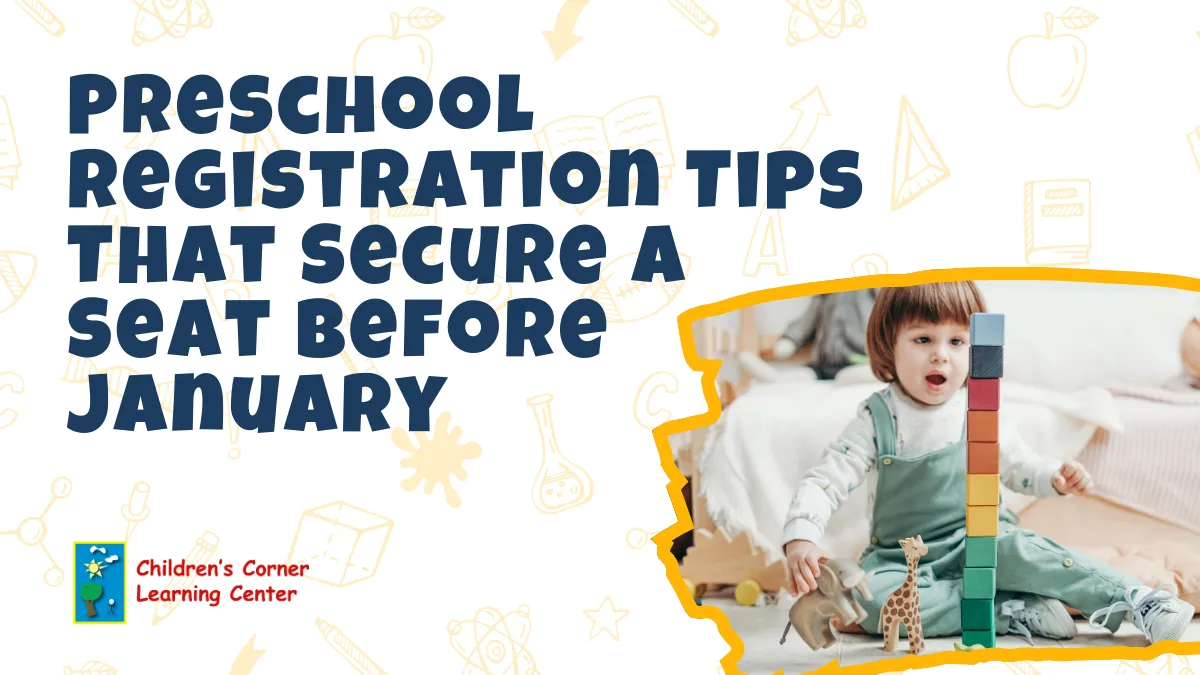
Preschool Registration Tips That Secure A Seat Before January

Registering before January requires a clear plan, complete paperwork, and timely follow-through. The goal is to confirm availability, demonstrate readiness, and move quickly once a seat is offered.
Confirm Availability and Timelines
Start with a call or online inquiry to verify classroom openings, age cutoffs, and start dates. Ask about waitlist movement during winter, projected spring enrollments, and any priority policies for siblings or neighborhood families. Note application deadlines and deposit requirements.Prepare Documents in Advance
Most programs request the following items. Assemble them in a single folder to shorten review time.- Birth certificate and proof of age
- Immunization record and health exam form signed by a pediatrician
- Emergency contacts and authorized pick-up list
- Residency verification, if required
- Any Individualized Education Plan or allergy action plan
Schedule a Focused Tour
Visit while classes are in session to observe routines, teacher interactions, and classroom flow. Bring a checklist with three categories: safety, learning environment, and communication. Ask about ratios, curriculum pacing from winter to spring, and how teachers support midyear starts during transitions, toileting, and separation.Submit a Complete Application
Provide accurate contact information, preferred start date, and schedule options. Include references if requested. A complete file signals readiness and can move your application ahead of incomplete submissions.Clarify Tuition and Fees
Request a written breakdown that includes registration fees, deposits, monthly tuition, and any supply or activity fees. Confirm payment schedules, refund terms, and how prorated starts are handled for midyear enrollment.Use the Waitlist Strategically
If your preferred classroom is complete, ask about realistic timelines and alternate days or locations. Stay responsive to calls and emails. Programs often fill seats within 24 to 48 hours of outreach.Finalize Next Steps
Once accepted, promptly pay the deposit, sign the enrollment agreement, and schedule orientation. Prepare your child with brief visits, a labeled supply set, and a predictable morning routine. A proactive approach, organized documents, and consistent communication increase the likelihood of securing a seat before January.3. When To Start Preschool For A Smooth Midyear Transition
Selecting a start date that fits your child’s readiness, the classroom calendar, and family routines supports a steady adjustment. Midyear openings are common, and a carefully planned entry in late December or early January allows children to build skills through winter and into spring.Readiness Indicators
Look for consistent signs that suggest your child can benefit from the preschool setting.- Understands simple directions and routines
- Uses words or gestures to express needs
- Shows curiosity during play and group activities
- Manages brief separations with support
- Demonstrates beginning self-help, such as handwashing and tidying
Program Pacing and Classroom Rhythm
Ask how the curriculum progresses from winter to spring. Many classrooms introduce longer small-group tasks, early literacy games, and collaborative projects during this period. Starting at the turn of the calendar year gives children time to practice expectations before end-of-year milestones.Suggested Timeline
- Eight to six weeks before the target start: confirm openings, tour, and submit applications
- Four weeks before: complete health forms, finalize tuition arrangements, and attend orientation
- Two weeks before: visit the classroom for short sessions and practice arrival routines at home
- First two weeks of attendance: keep schedules predictable, communicate with teachers, and monitor energy levels
Transition Structure
A phased approach can reduce stress. Begin with shorter days, then build to the full schedule. Use consistent drop-off routines, a familiar goodbye phrase, and a calm pick-up review of the day. Provide a labeled comfort item if permitted.Health and Stamina
Plan start dates that avoid major family travel or home changes. Establish bedtime, wake-up, and mealtime schedules in advance. Review hygiene expectations, such as handwashing and covering coughs, to promote classroom health.Family and Teacher Coordination
Share relevant information about allergies, therapies, or previous group experiences. Agree on a communication method for the first month and set goals for separation, peer interaction, and participation. A start window between late December and late January typically offers sufficient time to build routines, confidence, and peer connections. With readiness signs, coordinated planning, and a phased schedule, a midyear transition supports stable learning and continuous growth.4. Health And Attendance Gains During Winter Enrollment
Winter enrollment establishes strong hygiene habits, predictable routines, and consistent attendance at a pivotal point in the school year. Families that begin during this season often see steadier participation and clearer communication about wellness expectations.Hygiene Routines and Classroom Practices
Teachers reinforce daily handwashing, cough etiquette, and surface cleaning throughout the winter months. Children who enroll at this time learn to follow these routines when they matter most. Structured practice at arrival, before meals, after outdoor play, and after tissue use promotes healthy habits that support the entire group.Clear Policies and Timely Communication
Starting midyear gives families immediate exposure to health procedures and notification systems. Programs typically review symptom guidelines, return-to-school criteria, and medication authorization forms during orientation. Families receive timely updates through classroom apps and end-of-day summaries, reducing uncertainty and supporting informed decisions about attendance.Attendance Patterns That Build Stamina
A consistent winter schedule helps children adapt to the length and rhythm of the school day. Predictable arrival and pick-up times strengthen self-regulation and reduce morning stress. Regular attendance creates momentum that carries into spring projects, field experiences, and end-of-year goals. Preparedness Checklist Organized preparation supports both health and reliability.- Updated immunization and health exam forms
- Extra set of labeled clothing in a sealed bag
- Weather-appropriate outerwear, hat, and gloves
- Small pack of tissues and a sealed container for soiled items, if required
- Teacher-approved comfort item to ease separation
- Contact information for guardians and backup pick-ups