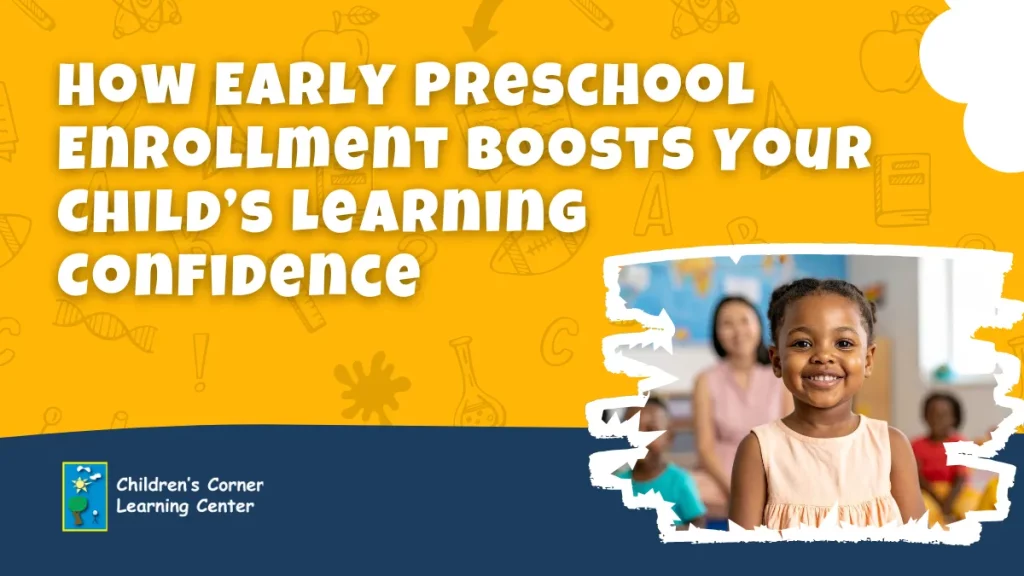
Early preschool enrollment establishes the conditions for steady learning confidence during a formative period. Children enter a structured environment where routines, clear expectations, and responsive guidance reduce uncertainty and support purposeful participation. Daily practice in language, early math, and problem-solving strengthens competence, while small-group activities build turn-taking and collaboration.
Positive feedback loops form as children experience success, reflect on effort, and apply strategies across centers and outdoor play. Consistent attendance improves stamina and self-regulation, which supports focus during multi-step tasks. Families gain a defined framework for home routines and communication with teachers, creating alignment that reinforces progress and encourages children to approach new challenges with assurance.
The Benefits Of Enrolling Early For Learning Confidence

Early preschool enrollment creates stable conditions for skill development and positive self-belief. Children establish consistent routines, meet clear expectations, and receive timely feedback that strengthens their participation in group learning.
Academic Readiness
Daily exposure to language activities, story retells, and sound play expands vocabulary and phonological awareness. Counting games, patterns, and measurement activities reinforce number sense and problem-solving. Early exposure gives children more practice cycles, which supports mastery before end-of-year benchmarks.
Social Confidence
Joining a peer group early in the year allows time to learn about sharing, turn-taking, and collaborative play. Guided prompts from teachers help children use words to solve minor conflicts and invite others into activities. Confidence builds as children experience successful interactions in centers, outdoor play, and small group work.
Routine Foundations
Predictable schedules reduce uncertainty and free attention for learning tasks. Repeated practice of arrival procedures, handwashing, transitions, and cleanup strengthens executive function skills such as working memory and flexible thinking. Children learn how to start tasks, persist through challenges, and complete multi-step directions.
Independence and Self-help
Early enrollment provides additional weeks to practice toileting routines, managing outerwear, and organizing personal items. Small responsibilities, such as line leader or materials helper, encourage initiative and pride in contribution.
Teacher Partnership
Starting sooner increases the number of observation points teachers can use to individualize support. Families receive progress notes throughout winter and spring, which allow timely adjustments to goals, home reading routines, and practice strategies for fine motor or language development.
Health and Stamina
Consistent attendance in winter builds endurance for the school day. Children learn hygiene routines and rest patterns that support participation during the more demanding spring units.
Practical Outcomes at a Glance
- Stronger vocabulary, number sense, and problem-solving
- More time to internalize classroom routines
- Improved peer relationships and self-advocacy
- Better stamina for longer tasks and structured activities
- Clearer family teacher communication for targeted support
Enrolling early supports steady growth, dependable routines, and confident engagement with classroom learning.
Preschool Registration Tips For A Smooth Start

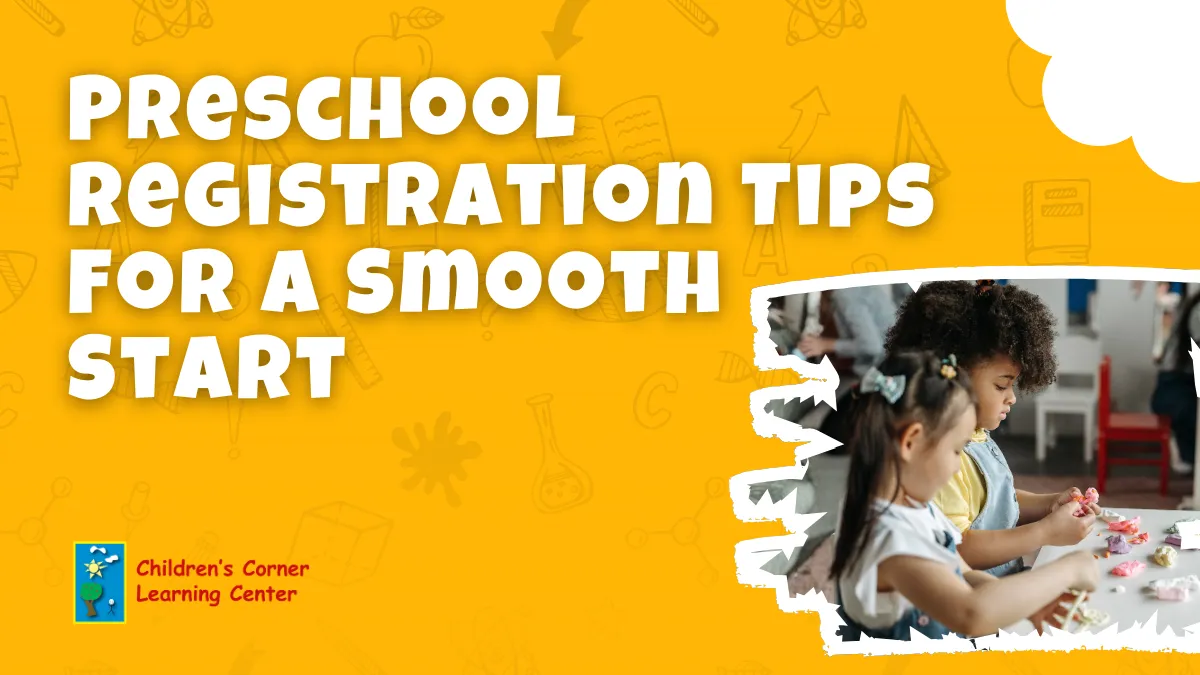
Organized preparation, timely communication, and complete documentation accelerate the enrollment process and support a confident first day.
Confirm Openings And Timelines
Begin with a direct inquiry to verify classroom availability, anticipated openings, and age cutoffs. Request application deadlines, deposit amounts, and orientation dates. Document these details in a shared family calendar to prevent missed milestones.
Assemble Required Documents
Create a single folder, digital or printed, with the items programs most often request:
- Birth certificate or proof of age
- Immunization record and recent health exam form signed by a pediatrician
- Emergency contacts and authorized pick-up list
- Allergy or medical action plans, if applicable
- Proof of residency or custody documentation, when required
Label files clearly to reduce back-and-forth communications and shorten processing time.
Schedule A Purposeful Tour
Tour during active classroom hours to observe ratios, teacher-child interactions, and transitions. Prepare a three-part checklist with safety, learning environment, and family communication. Ask how midyear entrants are supported during separation, toileting, and routine practice.
Complete The Application Accurately
Provide complete contact information, preferred schedule, earliest possible start date, and any flexibility on days. Include references when requested. Accuracy signals readiness and can move your file ahead of incomplete submissions.
Clarify Tuition And Fees In Writing
Request a written breakdown for registration fees, deposits, monthly tuition, and any supply or activity fees. Confirm billing cycles, accepted payment methods, and refund or rollover policies for prorated midyear starts.
Use The Waitlist Strategically
If a class is full, ask about typical movement and alternate days or locations. Stay reachable by phone and email. Programs often fill open seats within short time windows, and prompt replies help you secure your spot.
Prepare For Day One
Once accepted, pay the deposit immediately, review the family handbook, and attend orientation. Label clothing and personal items. Practice a simple drop-off routine, including a brief goodbye and a predictable pick-up plan.
Quick Reference Summary
- Verify openings and deadlines
- Organize documents before applying
- Tour with a focused checklist
- Submit an accurate, complete application
- Confirm fees and billing schedules
- Respond quickly to waitlist opportunities
A systematic approach reduces delays, supports clear decisions, and creates stable conditions for a successful start.
When To Start Preschool For Steady Growth
Selecting an appropriate start window supports a calm transition, continuous progress, and reliable routines through the school year.
Readiness Indicators
Observe consistent signs that suggest your child can participate successfully in a group setting.
- Follows simple one to two-step directions
- Uses words or gestures to express needs
- Shows curiosity during shared play and story time
- Manages brief separations with support
- Begins basic self-help skills, such as handwashing and tidying
Calendar Alignment
A start in late December or January provides time to learn routines before spring units become more complex. Midyear entrants benefit from smaller group introductions and targeted coaching as teachers refine classroom expectations. This period also allows families to establish stable attendance before spring events and assessments.
Suggested Planning Timeline
- Six to eight weeks before the target date: verify openings, tour, and submit applications
- Four weeks before: complete health forms, confirm tuition arrangements, and schedule orientation
- Two weeks before: practice arrival routines at home and make brief classroom visits if offered
- First two weeks of attendance: maintain predictable schedules, communicate with teachers, and monitor energy levels
Transition Structure
A gradual schedule often supports steadier adjustment. Start with shorter days if permitted, then expand to the full timetable. Use the exact goodbye phrase at drop-off and a brief review at pick-up to reinforce consistency. Provide a labeled comfort item if allowed.
Family Routine Preparation
Stability at home supports steady growth at school. Set bedtime and wake-up times that fit the classroom schedule. Prepare clothing and lunch the evening before. Keep the morning routine simple, with a calm handoff and a clear pick-up plan.
Health And Stamina
Plan the start date to avoid major travel or significant changes at home. Review hygiene expectations and reinforce handwashing, tissues, and covering coughs. Consistent sleep and balanced nutrition increase stamina for longer tasks and small-group work.
Teacher Collaboration
Share information about allergies, therapies, or previous group experiences. Agree on communication preferences for the first month. Set two or three short-term goals, such as separation comfort, peer interaction, and participation during circle time.
A well-chosen midyear start supports steady routines, sustained practice, and confident participation across winter and spring.
Building Daily Routines That Support Independence
Reliable routines help children practice self-help skills, manage transitions, and participate confidently in group learning. Clear steps, visual cues, and consistent expectations reduce uncertainty and create a stable path to independence.
Arrival Habits And Self-Help Skills
Begin with repeatable steps. Hang the coat, place the backpack in a cubby, wash hands, and check the daily schedule. Short, consistent sequences build working memory and organization. Encourage children to manage outerwear, open lunch containers, and place labeled items in designated bins.
Visual Schedules And Cues
Picture schedules, timers, and simple icons clarify what happens now and what comes next. Visual cues reduce the need for verbal reminders and support children who are still developing receptive language. Consistent placement at child height encourages independent reference during the day.
Smooth Transitions And Cleanup
Routines for moving between activities prevent lost time and frustration. Use a short signal, a calm countdown, and a clear destination. Provide cleanup maps or labeled shelves so children can return materials without assistance. Predictable transitions strengthen attention control and task completion.
Choice And Responsibility
Offer limited, meaningful choices. Select a learning center, choose a book basket, or pick one classroom job. Job roles such as materials helper, line leader, or weather reporter build ownership and persistence. Small responsibilities promote initiative and respectful collaboration.
Energy Regulation And Breaks
Embed short movement, hydration, and restroom breaks. Regular intervals help children maintain focus during small group work and circle time. Quiet corners with simple tools, such as a soft pillow or a breathing card, support self-regulation without disrupting instruction.
Home And School Alignment
Share the routine sequence with families. A similar order at home for morning prep and evening tidy up increases practice opportunities. Alignment across settings improves skill transfer and reduces resistance to new tasks.
Quick Tools Checklist
- Picture schedule with removable icons
- Labeled cubbies and clear containers
- Two-step visual prompts at key stations
- Cleanup maps for each center
- Simple timer for transitions
- Short scripts for greetings and goodbyes
Daily routines that are clear, consistent, and practiced across environments foster independence. Children gain confidence as they manage materials, navigate transitions, and participate in learning with minimal prompts.
Establishing Preschool Routines for Confident Learning
Early preschool enrollment creates a stable path for growth. Children gain time to practice academic skills, build social confidence, and internalize routines that support independence. Families and teachers establish clear communication early, which strengthens goal-setting and follow-through throughout the year. Consistent attendance, aligned home routines, and structured classroom practices reinforce learning confidence and help children participate fully in group activities. With organized registration steps and a planned start window, the transition is predictable and focused on progress.
Begin your child’s enrollment now to secure a timely start. Call (800) 933 7757 or visit https://childrenscornergroup.com/enroll/.