Preschool registration in 2026 requires a timely plan that accounts for limited classroom capacity and earlier application windows. Families should confirm program timelines, assemble required documents, and book tours while seats are still available. Priority policies for siblings, returning families, and specific age groups can affect availability, so it is essential to understand where your child fits in the queue. A clear checklist that includes health forms, proof of age, and authorized pick-ups prevents processing delays. Request written details for deposits, tuition schedules, and refund terms. With organized steps and prompt responses, families can secure placement and reduce uncertainty ahead …
How to enroll in preschool requires a clear plan that aligns program quality, readiness indicators, and administrative steps. This guide outlines how to evaluate curricula, teacher credentials, safety protocols, and daily routines, then organize documents and timelines to secure a seat. Families will learn how to compare programs during a live tour, read handbooks for policies, and verify ratios and accreditation. The process section covers application forms, deposits, tuition schedules, and health requirements. A readiness checklist and transition plan support a calm first day and consistent attendance. With a structured approach, families can select the right environment and complete enrollment …
Choosing the Ideal Daycare in White Plains: A Parent's GuideUltimate Guide to Choosing the Perfect Preschool Program for Your Child
How to choose the right preschool program is one of the most important decisions parents face during the early years of their child’s education. The right choice can nurture a love of learning, support social development, and build a strong foundation for future success. With so many options available—ranging from play-based to academically focused programs—it’s essential to evaluate each one carefully. Factors such as curriculum, teacher qualifications, safety measures, and overall environment all play a role in determining the best fit. This guide will walk you through the inevitable steps to selecting a preschool program that meets your child’s unique …
A preschool health and safety checklist is a critical tool for parents evaluating the well-being of their children in early learning environments. A safe preschool prioritizes education and every child’s physical and emotional security. From secure entry points to hygiene practices and emergency preparedness, certain features indicate a strong commitment to student safety. Observing these elements during a tour helps families make informed decisions and avoid potential risks. In this guide, we highlight seven essential health and safety features every parent should check to ensure their chosen preschool meets the highest standards of care and protection. 1. Safe Preschool Features …
A preschool tour checklist is a crucial tool for families evaluating early learning centers for their children. Touring a preschool offers a valuable opportunity to observe the environment, meet educators, and assess whether the program aligns with your child’s needs. However, important details can be overlooked without a clear list of what to look for. From safety measures to curriculum quality and classroom dynamics, each element shapes your child’s early development. This guide highlights the key items every parent should focus on during a preschool visit to ensure a nurturing, safe, and enriching learning experience. What to Look for on …
Preschool vs pre-k is a common comparison parents encounter when exploring early childhood education options. While both programs support foundational learning and social development, they are designed with distinct age groups, readiness goals, and curriculum approaches in mind. Understanding the variations between preschool and pre-kindergarten can help families make wise choices that align with their child’s needs and developmental stage. Each program offers unique benefits, from academic structure to classroom expectations. This article highlights five essential differences every parent should consider before enrolling, ensuring a confident step toward their child’s educational path. Understanding the Difference Between Preschool and Pre-K The …
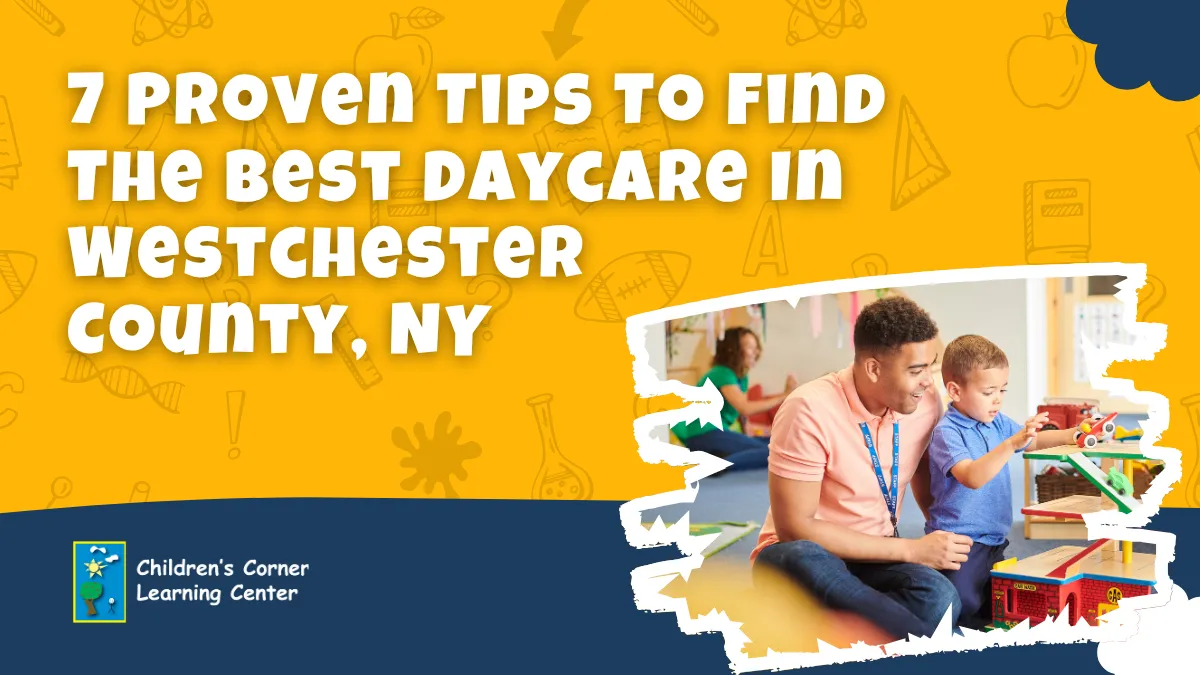
Finding a reliable daycare in Westchester County NY, is a critical decision for families seeking a nurturing and educational environment for their children. With numerous options available, it is essential to identify a center that aligns with your child’s developmental needs and your family’s values. A high-quality daycare should provide a structured curriculum, a safe and stimulating setting, and experienced educators who foster early learning. Parents are encouraged to evaluate a center’s philosophy, safety protocols, and reputation within the community. Whether looking for infant care, toddler programs, or pre-kindergarten preparation, understanding what to prioritize can simplify selection. The following tips …
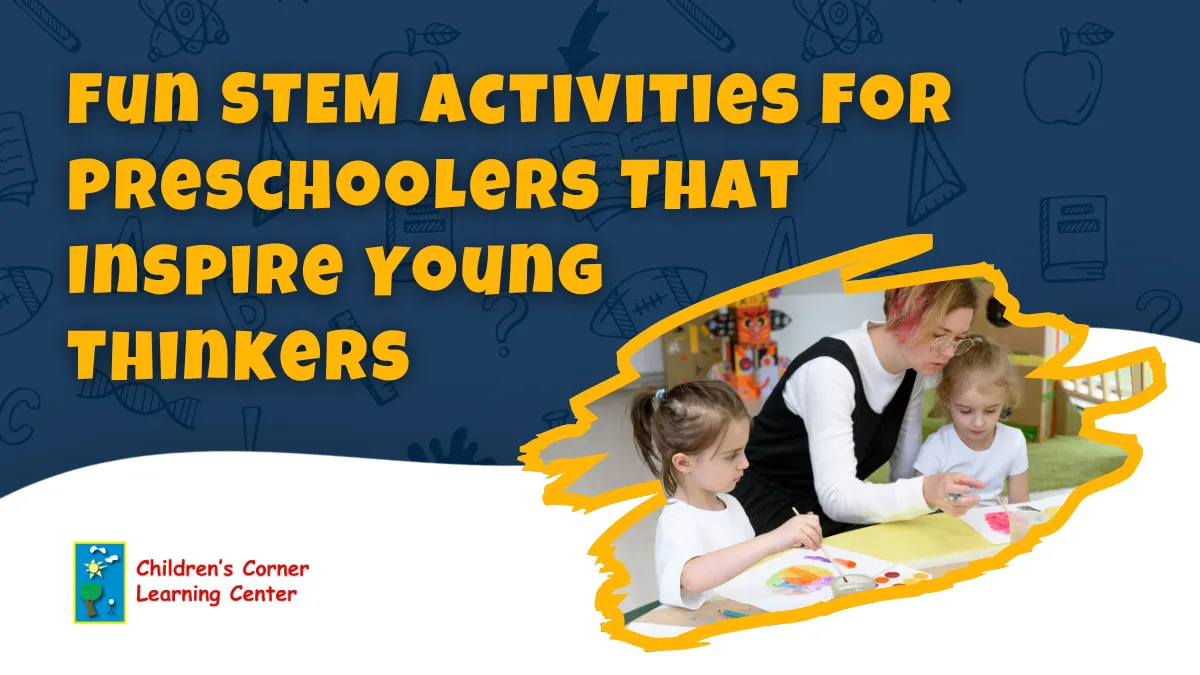
STEM activities for preschoolers provide meaningful opportunities to introduce early science, technology, engineering, and math concepts through play-based learning. These activities encourage exploration, problem-solving, and hands-on discovery, helping young children build foundational skills in a developmentally appropriate way. By integrating STEM into daily routines, educators support cognitive growth while fostering curiosity and confidence in the classroom. Whether children are building structures, observing nature, or experimenting with simple materials, each experience lays the groundwork for critical thinking and creativity. Early exposure to STEM supports academic readiness and inspires a love for learning. With thoughtful guidance and engaging tasks, STEM activities become …
Understanding the difference between preschool vs PreK is essential for families choosing the right early education path. While both programs build strong foundations in learning and social development, they serve children at slightly different stages of growth and readiness. Preschool is designed for younger children—usually ages 2½ to 4—focusing on social skills, play-based learning, and early routines in a nurturing environment. PreK, on the other hand, prepares 4- and 5-year-olds for kindergarten with more structured lessons that strengthen literacy, math, and problem-solving skills. Understanding these distinctions helps parents decide which program best supports their child’s readiness and confidence for the …
Summer preschool programs benefits extend beyond the classroom, supporting children’s growth during a critical time in their early development. These programs offer structured learning opportunities that help maintain academic progress, promote social interaction, and reinforce routines that can otherwise be lost over the summer months. For young children, consistency is essential, and summer programs provide a balanced environment. Participation also eases the transition into the next school year by keeping children engaged, curious, and connected. With a focus on play-based learning and age-appropriate activities, summer preschool programs ensure that development continues without interruption. Families seeking to support their child’s learning …